
5. Color Is Deep and Even

A ripe pumpkin has a rich, even color all over. Traditional carving pumpkins turn a deep orange with no green spots. Other types will have their own mature colors, such as tan, gray-blue, or white. The spot resting on the ground also changes from pale green or white to a creamy yellow or light orange as the pumpkin ripens.

 4. The Skin Is Hard

Press your thumbnail into the pumpkin's skin. If the skin is hard and doesn't puncture easily, the pumpkin is ripe. If your thumbnail leaves a deep dent, it needs more time on the vine.

3. The Stem Is Brown and Dry

A ripe pumpkin has a stem that is dry, hard, and woody. The stem changes from green to brown or gray when the pumpkin is ready to harvest.

2. The Tendrils Are Brown and Dry

Look at the small curly tendrils near the pumpkin's stem. When they turn brown, dry, and brittle, the pumpkin is usually mature. Green tendrils mean the plant is still feeding the fruit.

1. The Vine Is Dying Back

When the leaves and vines begin turning yellow or brown and start to wither, the pumpkin is often fully mature. This is a natural sign that the growing season is ending.

Best Tip: Don't rely on just one sign. Look for at least two of these signs before harvesting. Pick pumpkins on a dry day and leave 3 to 4 inches of stem attached to help them store longer.

What To Do In Your Backyard in October

Average temperatures High 85 Low 65

Average rainfall is 2.73 inches

Time Change happens October 31st. Change your irrigation system to 1x a week watering.

October plantings

Vegetables: Beet, broccoli, Brussels sprouts, cabbage, carrot, cauliflower, celery, collards, kohlrabi, lettuce, mustard, onion, peas, potato, radicchio, radish, rhubarb, roquette, rutabaga, spinach, strawberry, Swiss chard and turnip

Flowers: African daisy, alyssum, angelonia, ageratum, begonia, black-eyed Susan, blue daze, calendula, candytuft, celosia, chrysanthemums, cleome, coleus, cornflower, cosmos, dianthus, dusty miller, gaillardia, gazania, geraniums, gerbera, heliotrope, hollyhock, impatiens, larkspur, lobelia, nicotiana, pentas, petunia, salvia, snapdragon, sunflower, sweet pea, verbena and zinnia.

Herbs: Anise, basil, bay laurel, borage, cardamom, chervil, chives, coriander, dill, fennel, garlic, lavender, lemon balm, lovage, mint, nasturtium, oregano, rosemary, sage, sweet marjoram, tarragon, thyme and water cress.

Bulbs: African lily, agapanthus, amaryllis, anemone, bulbine, calla, crinum, day lily, gingers, gladiolus, pineapple lily, rain lily, society garlic, spider lilies, walking iris, watsonia. Refrigerate crocus, daffodils, hyacinth, narcissus, and tulips for forcing.

Grasses: Lomandra Breeze, Miscanthus ‘Adagio’, Muhly Grass, Dwarf Fakahatchee, White Fountain Grass, Lemon Grass.

Lawn care

  • Get a soil test from the UF Soil Laboratory before fertilizing to know what nutrients to apply.

  • Have the soil acidity tested.

  • Apply a phosphorus-free lawn fertilizer to regreen the turf, (15-0-15)

  • When applying fertilizer, follow label instructions.

  • October is the last feeding for Bahiagrass, centipede, and zoysia lawns this year.

  • Apply fertilizers, herbicides, after a rain event, not before.

  • Apply fertilizer and herbicides as separate treatments. Skip weed-and-feed products for more effective, targeted applications.

  • Regreen lawns that continually have a yellow look with an iron or minor-nutrient application.

  • Herbicide-only products may be used following label instructions for your lawn type.

  • Herbicides may not control all weeds; pull, dig or use non-selective spot sprays as labeled.

  • October through April is a good time to install sod.

  • Fill bare spots in lawns left from summer pests with sod or plugs.

  • Seeding time for Bahiagrass is over.

  • Delay rye seedings until temperature highs are in the low to mid-70’s.

  • Chinch bugs and sod webworms can linger into Fall; control as needed

  • Time Change happens October 31st. Change your irrigation system to 1x a week watering.

  • Water turf when it shows signs of moisture stress.

  • Use soil aeration in older, compacted, and poorly-drained soils to encourage better root growth.

  • Continue mowing to maintain proper turf height; keep mowing height the same year-round.

  • Sharpen & balance mower blades to give a smooth cut to leaf blades.

  • Change the oil and air filters of gas-powered equipment for Fall.

  • Use mulch or ornamental ground covers in areas where turf won’t grow.

 Vegetable and fruit tree care

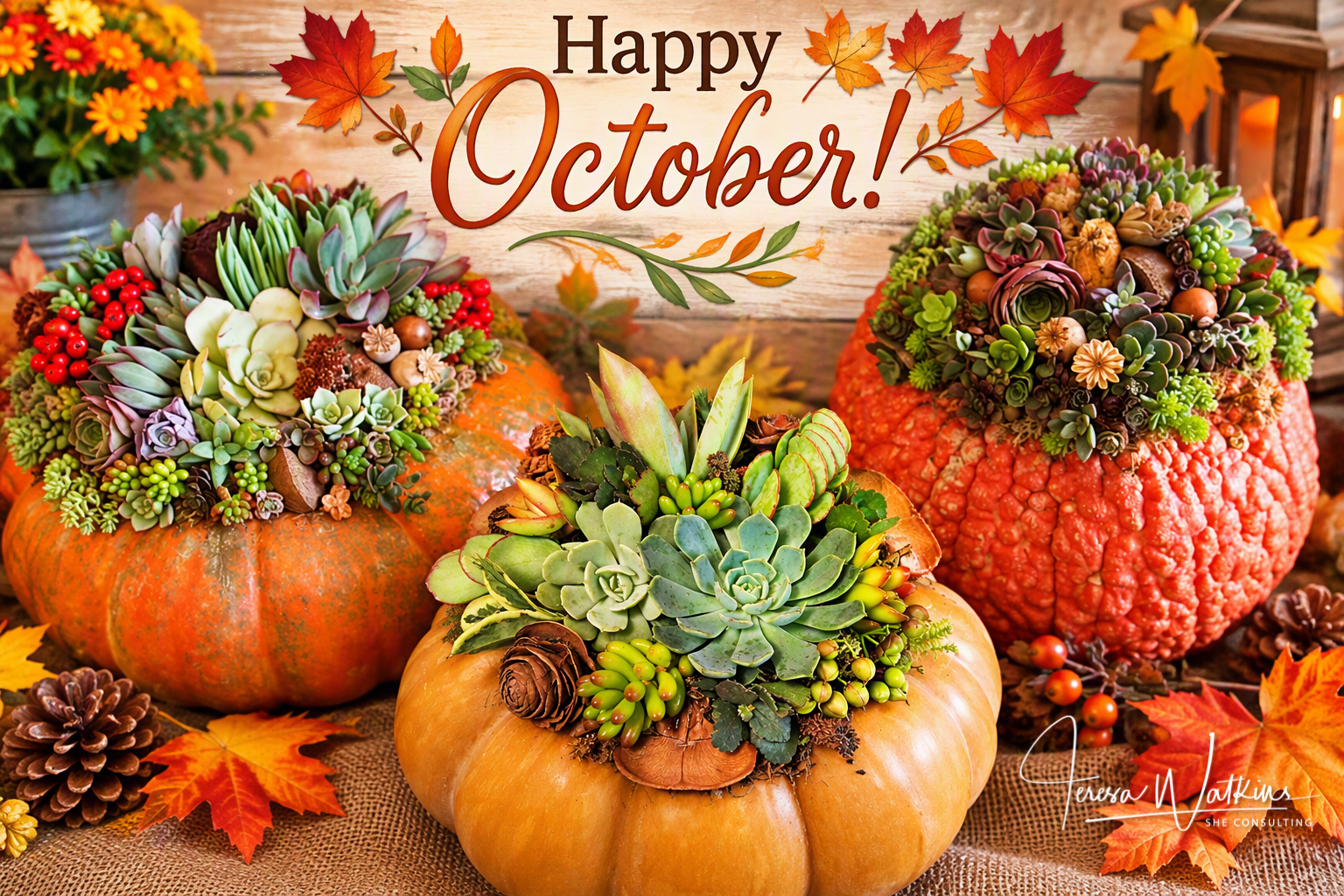
  • Harvest pumpkins this month. Look for dying leaves and vines, deep color, and hardened stem and rind.   

  • Use large transplants of tomatoes, peppers, and eggplants to get a Fall crop.

  • Stake or trellis tall or vine crops to keep the edible portions off the ground.

  • Feed gardens every 3 to 4 weeks with a traditional fertilizer or use a slow-release product.

  • Tomatoes begin setting and holding their fruits early to mid-month.

  • Add flowers to vegetable gardens to attract pollinators.

  • Prevent spray damage to pollinators; apply sprays when they are not active.

  • Caterpillars feed on cucumbers, melons and tomatoes; control with a natural spray.

  • Begin plantings of cool season vegetables around mid-month.

  • Gardeners cramped for space can grow vegetables in containers.

  • Start seeds for transplants of broccoli, cauliflower, and similar vegetables in containers.

  • Add a mulch to the surface of the soil to conserve moisture and keep vegetables dirt free.

  • Groom Summer-weary herb plantings and start new ones that prefer the cooler weather.

  • Most vegetables & herbs need a moist soil; water when the surface begins to dry to the touch.

  • Fruit splitting on citrus trees is normal and may continue into the Fall.

  • Help prevent citrus fruit drop and splitting, water once or twice a week during dry weather.

  • Give citrus the final feeding of the year during early October.

  • Till new garden sites and enrich sandy soils with garden soil, organic matter and manure.

  • Remove offshoots from pineapple plants to start new beds.

  • Start papaya seedlings for late winter transplants.

  • Add strawberry plants to a garden or build a pyramid for planting.

  • Delay pruning all fruit plantings until mid to late winter.

  • Speed up the composting process by turning the piles monthly.

  • Harvest maturing chayote, cocoyam, dasheen, and gourds.

  • Dig in the soil to check sweet potato plantings; most have roots ready to harvest.

  Landscape chores

  • Recycle dead shrubs and branches in your Halloween landscape.

  • Many plants produced late summer growth; prune to remove out of bounds shoots.

  • Major pruning time is over for azaleas, bougainvillea, camellias, gardenias, and poinsettias.

  • Shield poinsettias and holiday cactuses from nighttime light starting mid-month.

  • Shrubs, ground covers, and perennials, are ready for a final Fall feeding.

  • Use a slow-release fertilizer that can feed in-ground and container planting for months.

  • Most ornamental and shade trees do not need a special feeding

  • Give palms a final feeding of the year with an 8-0-12-4mg fertilizer or similar product.

  • Palm diseases are prevalent; clean and sterilize pruners between palms.

  • Be smart and only remove the brown fronds and flower stems from palms.

  • Give hedges a final trimming.

  • Remove suckers and low limbs from trees.

  • Weeds are plentiful in ornamental plantings; hand pull or spot kill to prevent seeding.

  • Whiteflies and mealy bugs are major pest; systemic insecticides offer good control.

  • Drier weather lies ahead; water when the surface soil begins to dry.

  • Most established trees and shrubs can go a week or more between waterings.

  • Trim away limbs and weeds blocking the operation of sprinkler systems.

  • Check container plantings for plugged drainage holes; repotting may be needed.

  • Maintain mulch under trees and shrubs; start the mulch several inches from trunks.

  • Determine tree needs and plant smaller growing wind resistant species.

  • Check tree and palm supports to make sure they are secure but not damaging the plants.

  • Add Fall plants to hanging baskets and container gardens.

  • Edge sidewalks and plant beds.

  • Replace soil in problem flower beds and planters.

  • Replant flower beds with cool season annuals and perennials; delay pansies until November.

  • Start Pansy and other winter annual seeds now for planting in November and December.

  • Divide perennial and bulb plantings.

  • Give water lilies and bog plants a monthly feeding.

 House & foliage plant care

  •  Order gift amaryllis to be delivered in December for Xmas.

  • Plants reduce pollutants and create a pleasing atmosphere when added to homes and offices.

  • Foliage plants are often a good buy at garden centers during Fall; replace declining plants.

  • Many foliage plants have grown too large for their containers; repot as needed.

  • Groom outdoor foliage plants and begin moving them to a warm location.

  • Most foliage plants need a bright light location but out of the direct sun.

  • Feed plants in bright light monthly; less often in low light.

  • Control insects on plants before moving them indoors.

  • Water holiday cactuses only when the surface soil dries

  • Begin forcing amaryllis and paper white narcissus for indoor displays and discontinue feedings.

  • Make sure indoor poinsettia, holiday cactuses and kalanchoes receive no nighttime light.

Teresa Watkins Receives:

Two 2026 GardenComm Media Awards Silver Laurel Medals of Achievement

Orlando, FL — July 20, 2026 — Teresa Watkins has received two 2026 GardenComm Silver Laurel Medals of Achievement in Speaking & Broadcast presented by GardenComm: Garden Communicators International. The international awards program recognizes individuals and companies that achieve the highest levels of talent and professionalism in garden communications. The 2026 competition drew 146 entries across 43 categories.

Watkins earned the Silver Laurel Medals for Speaking & Broadcast for her radio show, “Better Lawns and Gardens - How to Grow Caladiums” and “Speaking & Broadcast: Radio program: Better Lawns and Gardens - Fall Prep for Winter.”

“The Silver Laurel Medal recipients represent the creativity, skill and professionalism that strengthen garden communications,” said Kathy Jentz, president of GardenComm. “Their work informs, inspires and connects audiences with gardening in meaningful ways, and we are proud to recognize their achievement.”

Since the early 1980s, the GardenComm Media Awards program has recognized outstanding garden-focused work across writing, photography, publishing, digital media, broadcast, podcasting and other communications disciplines.

The 2026 Silver Laurel Medal recipients were announced July 20 during the GardenComm Silver Laurel Media Awards Live Stream. The full list of 2026 winners are available at gardencomm.org/awards/2026-winners. For more information about the awards, contact Chris Sabbarese at info@gardencomm.org.

Teresa Watkins is a landscape designer, horticulturist, and garden author who hosts Better Lawns and Gardens, Florida’s most widely syndicated garden radio show. She broadcasts live every Saturday from 7–9 a.m. EST on WFLA-Orlando, iHeart Radio, on Florida radio stations, with full podcast episodes available on all major platforms. Her show blends Florida‑friendly landscaping, water conservation, sustainable gardening, and monthly how‑to advice, along with interviews, listener Q&A, and her signature “Dirty Word of the Day.

About GardenComm

GardenComm, Garden Communicators International, is an organization of professional communicators in the green and garden industry including book authors, bloggers, staff editors, syndicated columnists, freelance writers, photographers, speakers, landscape designers, television and radio personalities, consultants, publishers, extension service agents and more. No other organization in the industry has as much contact with the buying public as GardenComm members. Learn more at www.gardencomm.org.

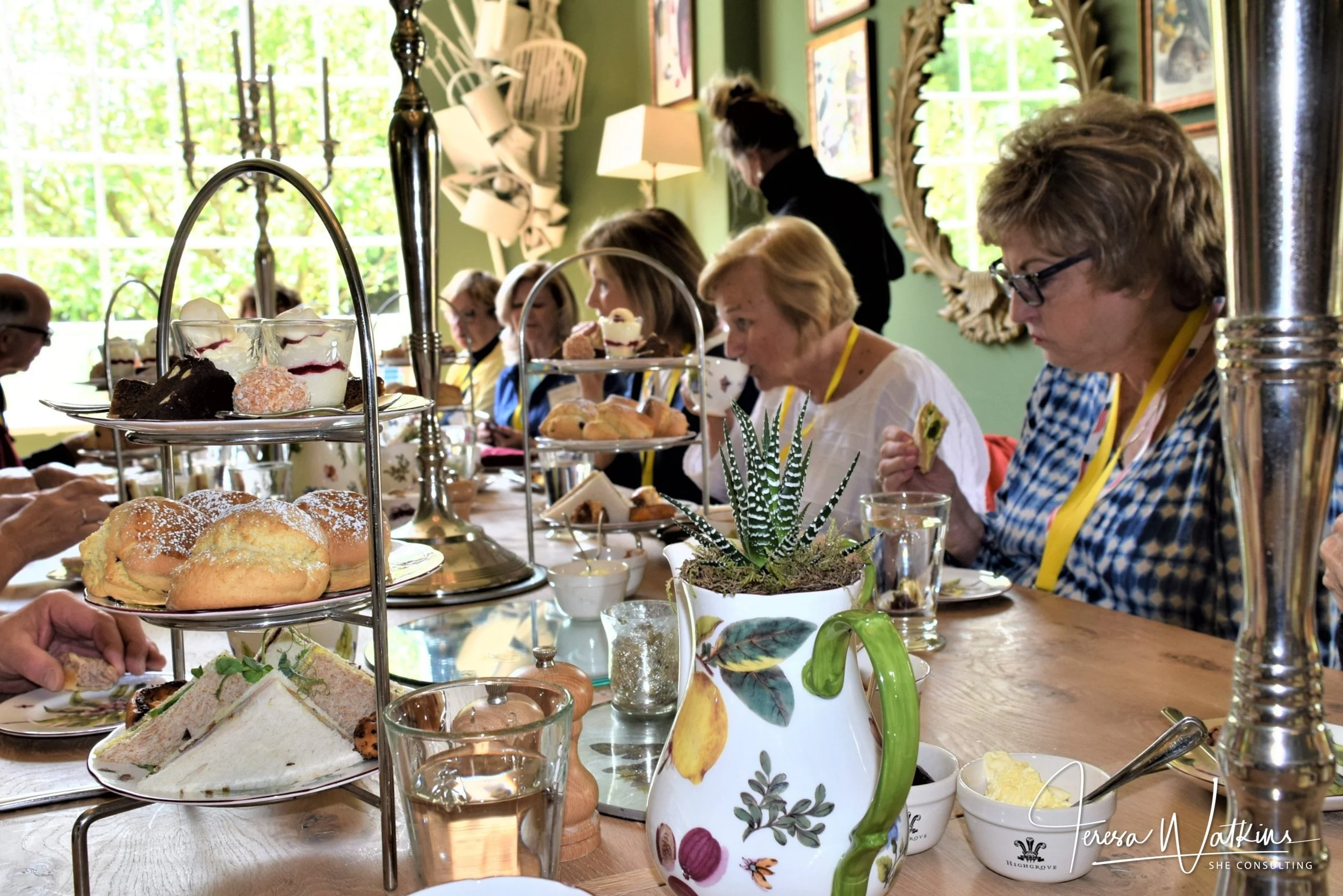
Afternoon Tea at King Charles III's home? Brilliant!

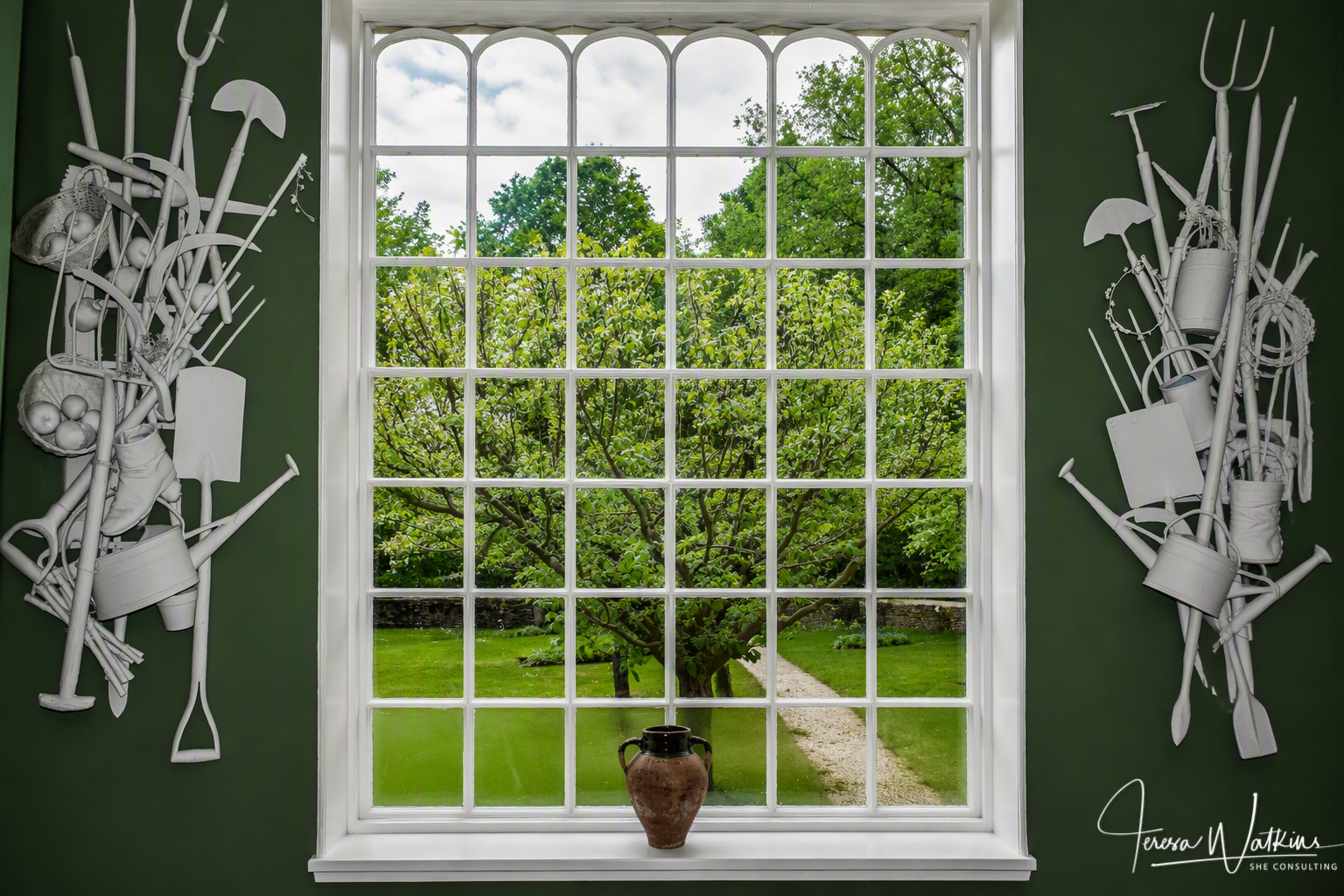
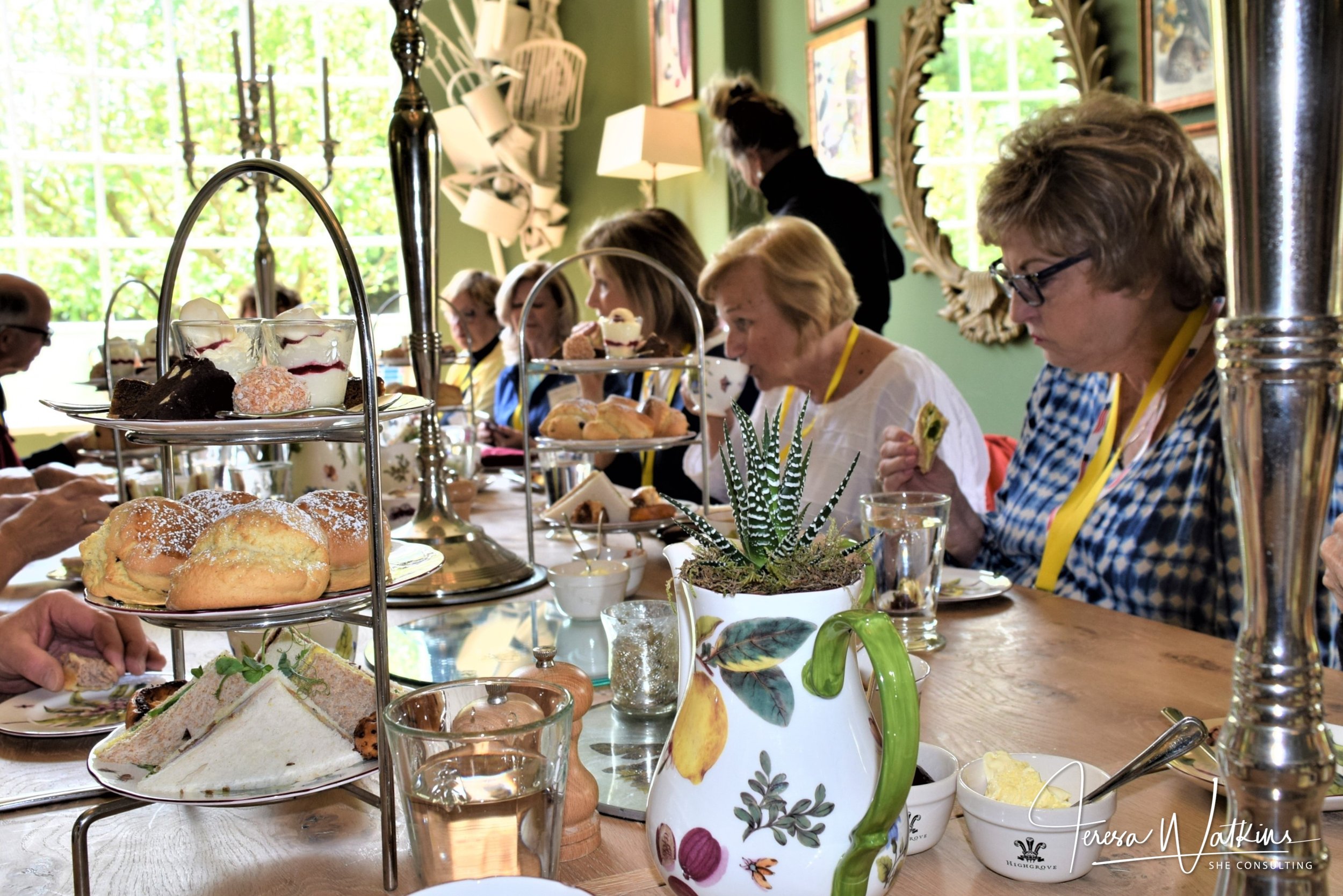
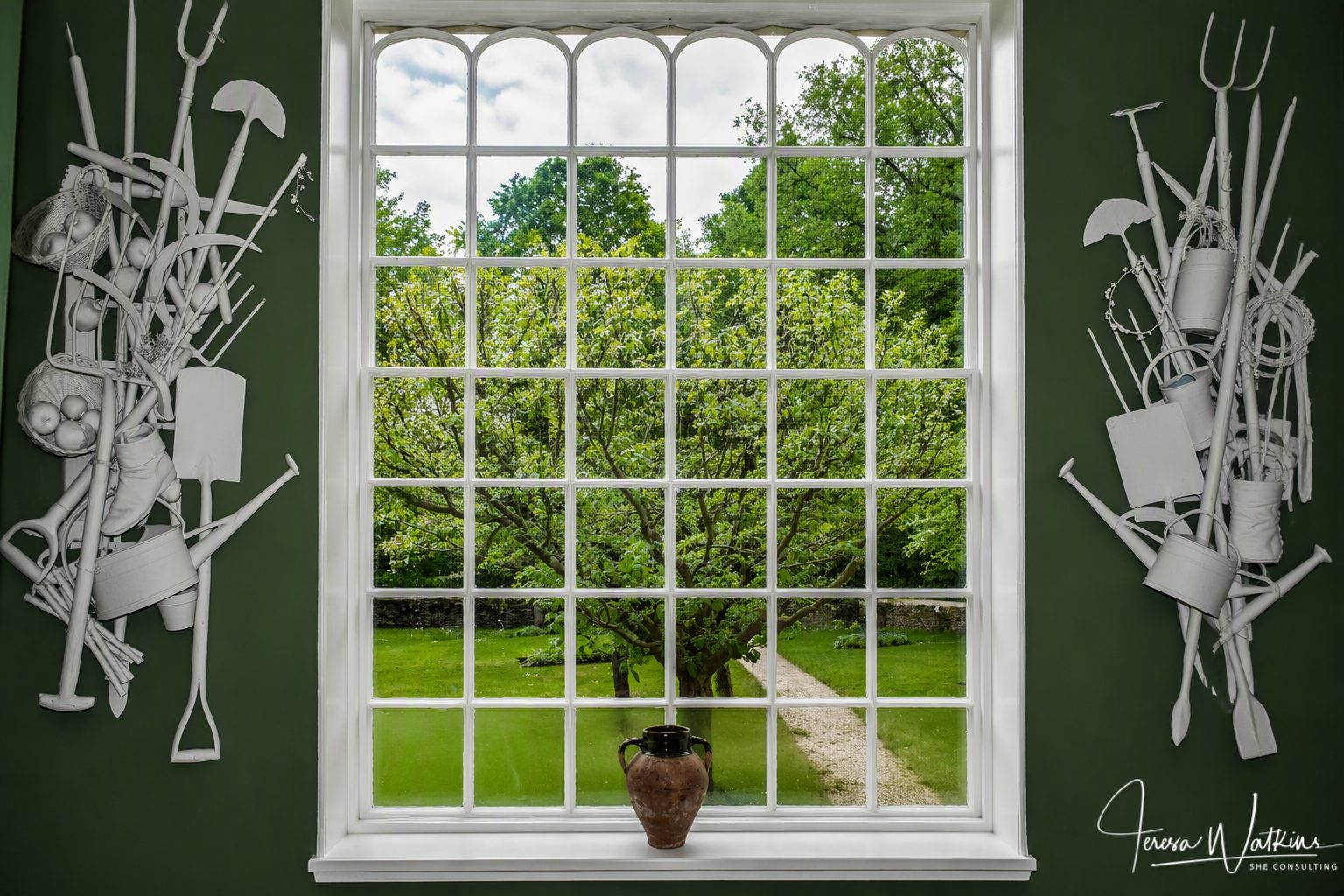
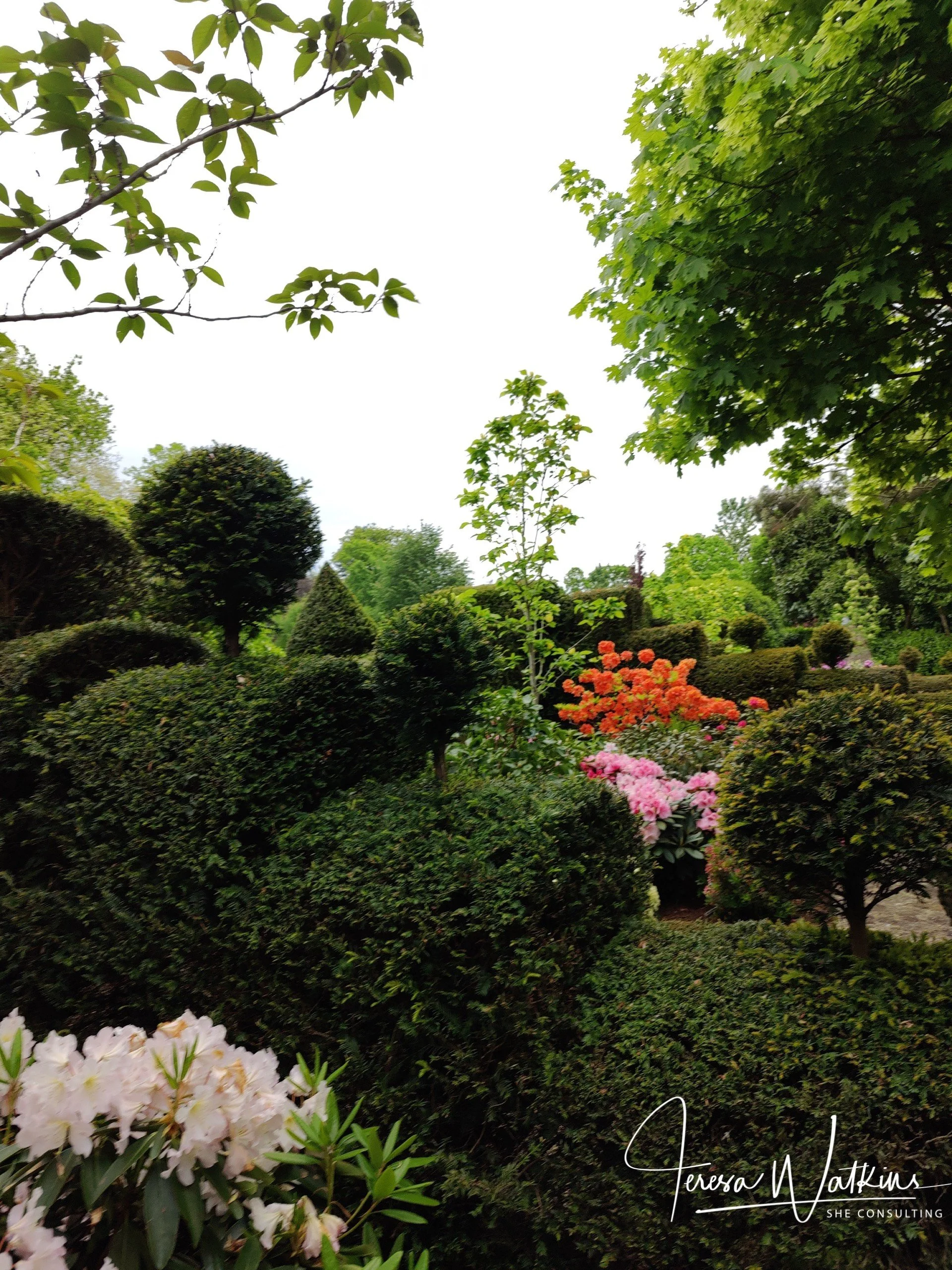
One of the exclusive highlights of our 2027 Chelsea Flower Show & Best of English Gardens tour is a memorable afternoon tea at King Charles III's Highgrove gardens, accompanied by an intimate guided visit through his renowned royal gardens. Experience the finest English hospitality, including exceptional dining at a Michelin Guide One-Star restaurant featuring modern British farm-to-table cuisine set within the stunning Elizabethan manor of Gravetye Manor

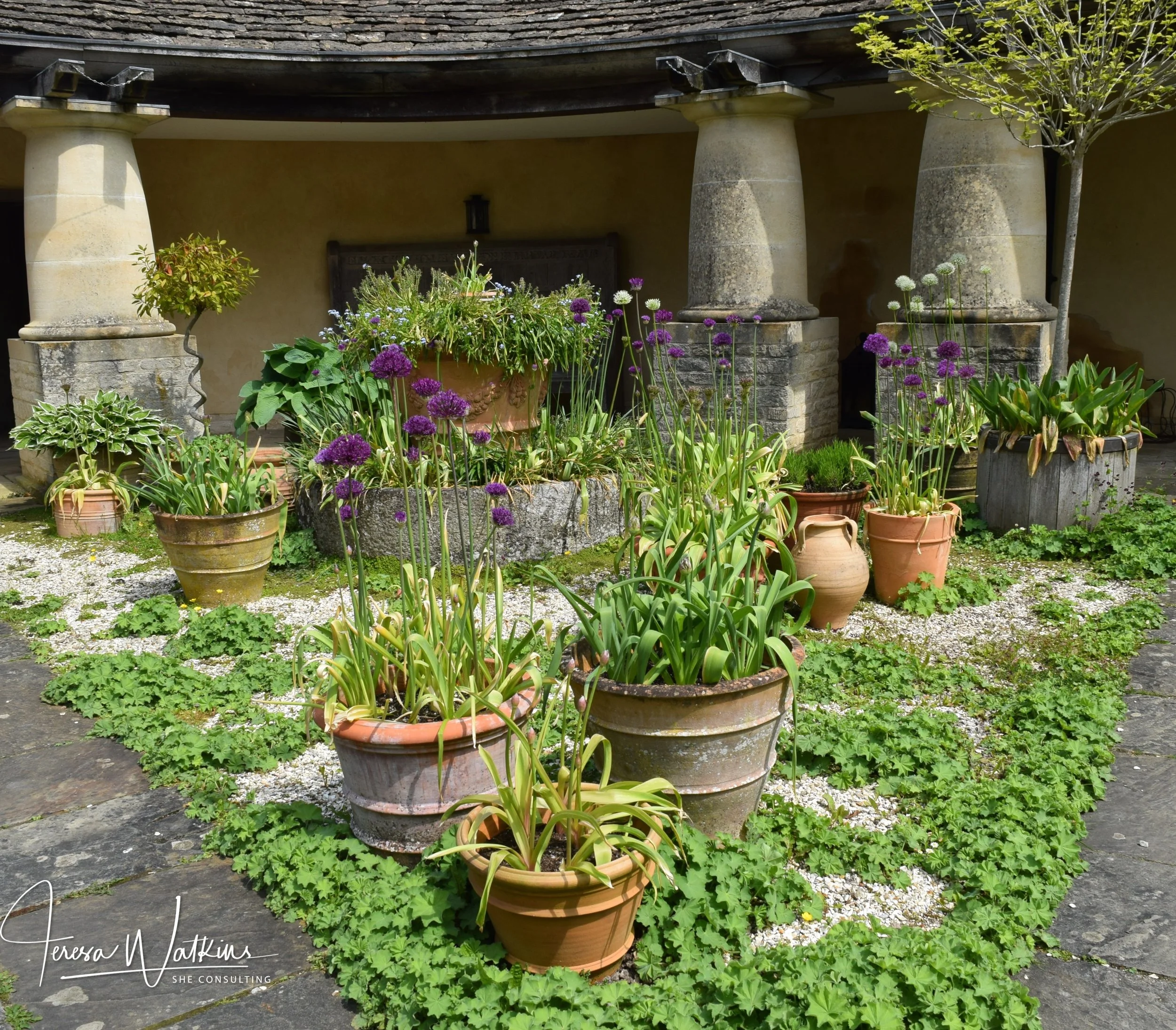
Discover some of England's most inspiring and celebrated gardens, including the historic Garden Museum, Great Dixter, Sissinghurst Castle Garden, Iford Manor, the charming cottage gardens of the Cotswolds, and the world-class RHS Wisley Gardens. This extraordinary journey combines royal elegance, horticultural excellence, and quintessential English charm. https://tinyurl.com/4t9u5e5e

Only a few spots left. Limited space is available for this exclusive garden experience. https://tinyurl.com/y7cemr5r

#ArtInBloomGardenTours #Chelsea2027 #EnglishGardenTour #GardensOfEngland #RoyalGardens #KingCharlesGardens #HighgroveHouse #WilliamRobinson #GravetyeGardens #GardenAdventure #MICHELIN #michelinonestar

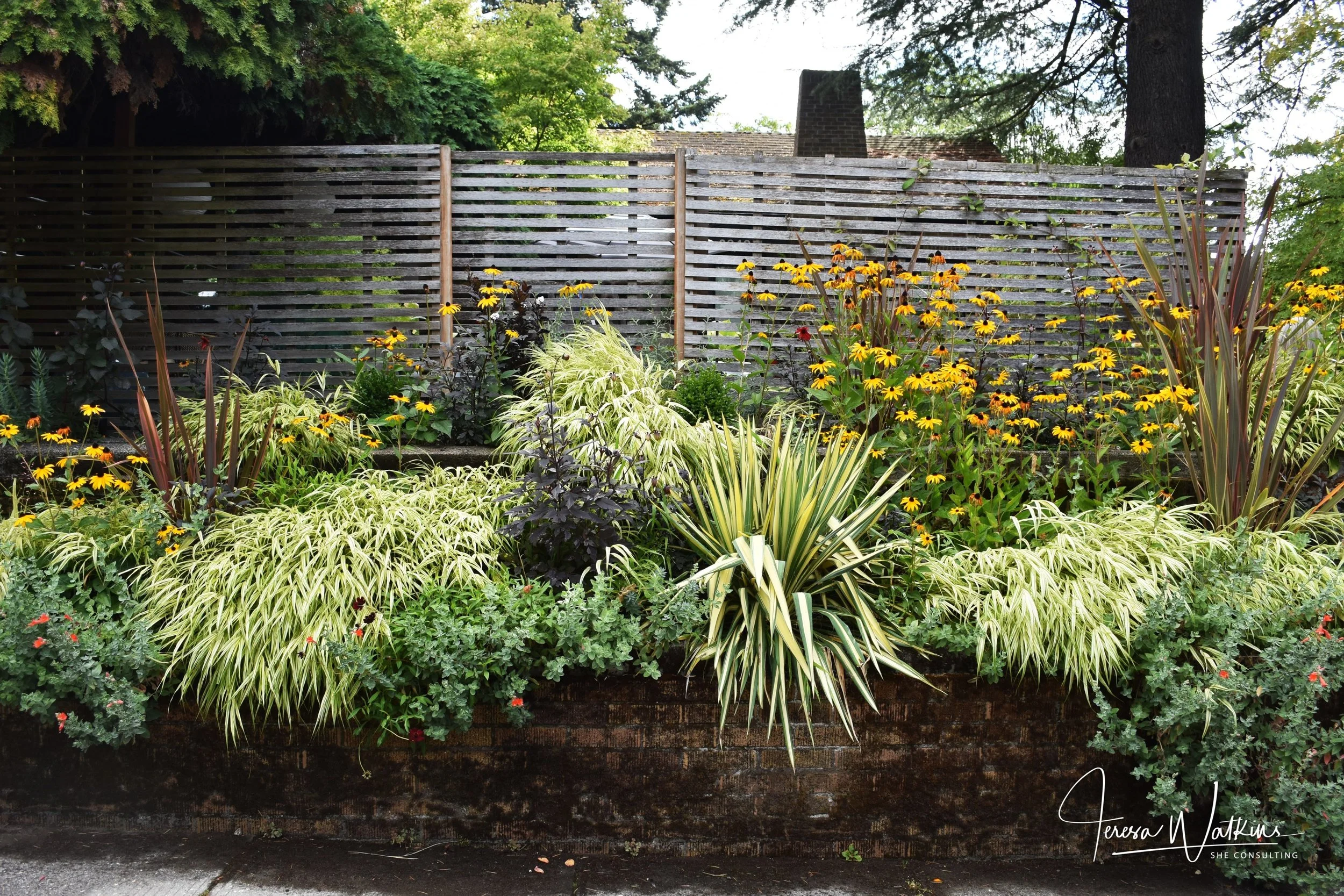
Orange Eclectic Garden Inspiration

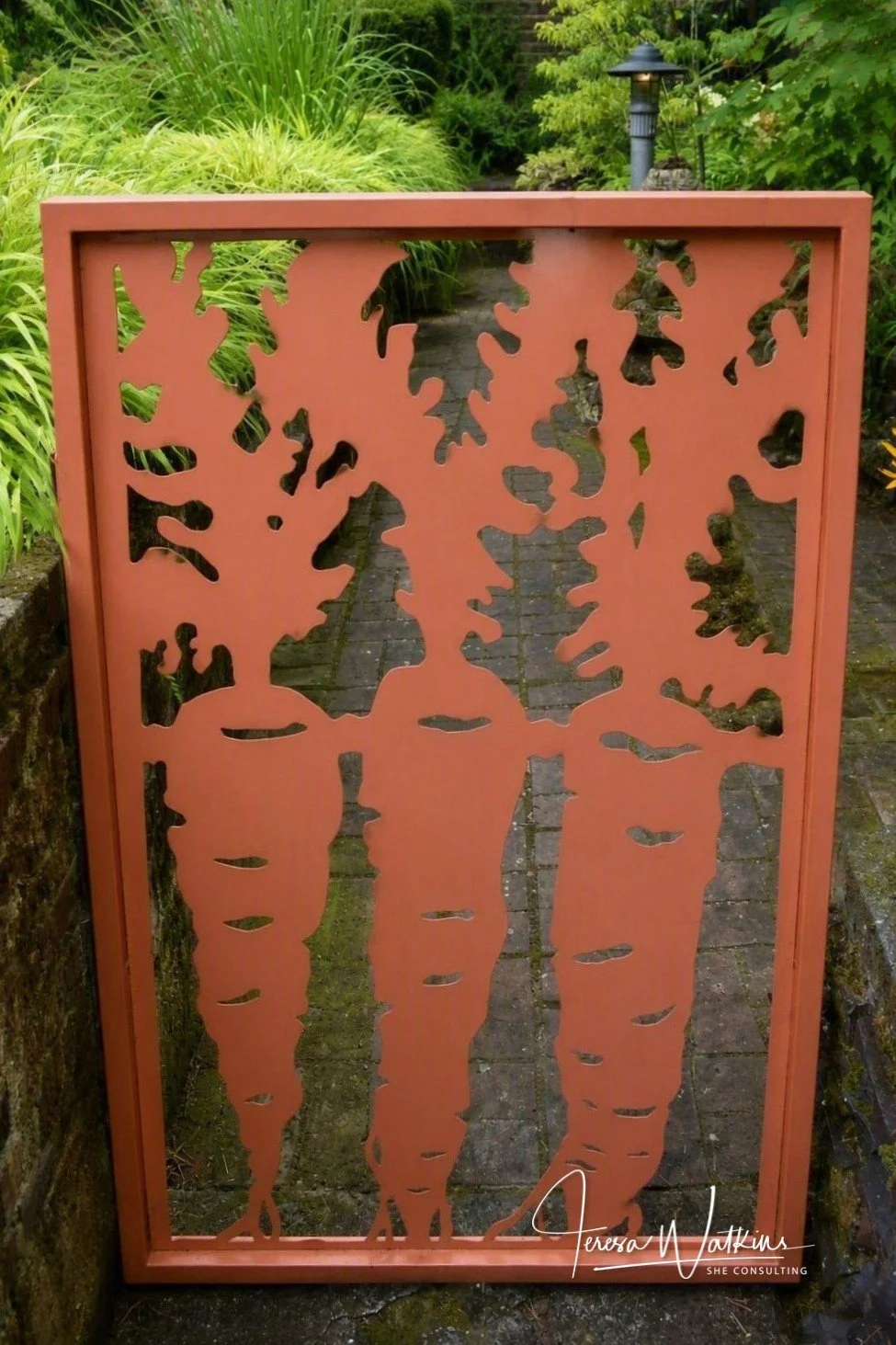
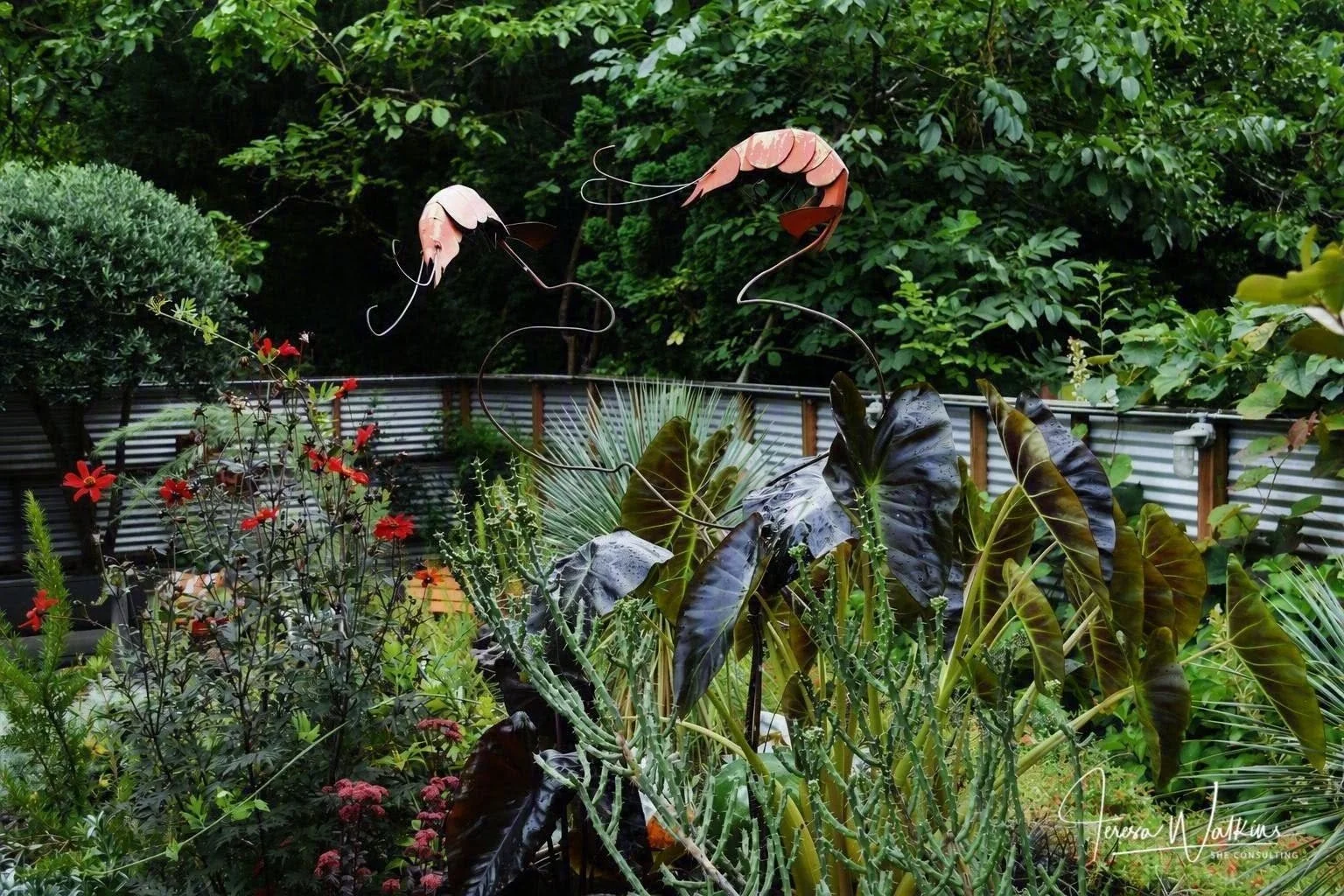
How inspiring can a private garden tour be? Step inside this stunning West Coast garden, that I've affectionately nicknamed "Orange Eclectic," and discover how bold, vibrant color can transform an ordinary sloped landscape into a breathtaking terraced outdoor retreat. From eye-catching plant combinations, and garden art on the ground and in the air, to creative design details, this garden showcases the power of color to bring energy, personality, and excitement to every corner of the landscape. See all of the Orange Eclectic Garden album on my Facebook page.

Ready for more garden inspiration? Explore the full lineup of Art in Bloom Garden Tours for 2027, featuring extraordinary private gardens, beautiful destinations, and unforgettable experiences. All tours are confirmed, and space is limited, so reserve your spot soon. https://www.artinbloomgardentours.com/2027-garden-tours

Treat Yourself To Afternoon Tea at King Charles III's home, Highgrove.

One of the exclusive highlights of our 2027 Chelsea Flower Show & Best of English Gardens tour is a memorable afternoon tea at King Charles III's Highgrove gardens, accompanied by an intimate guided visit through his renowned royal gardens. Experience the finest English hospitality, including exceptional dining at a Michelin Guide One-Star restaurant featuring modern British farm-to-table cuisine set within the stunning Elizabethan manor of Gravetye.

Discover some of England's most inspiring and celebrated gardens, including the historic Garden Museum, Great Dixter, Sissinghurst Castle Garden, Iford Manor Gardens, the charming cottage gardens of the Cotswolds, and the world-class RHS Wisley Gardens. This extraordinary journey combines royal elegance, horticultural excellence, and quintessential English charm. https://tinyurl.com/4t9u5e5e

Only a few spots left. Limited space is available for this exclusive garden experience.

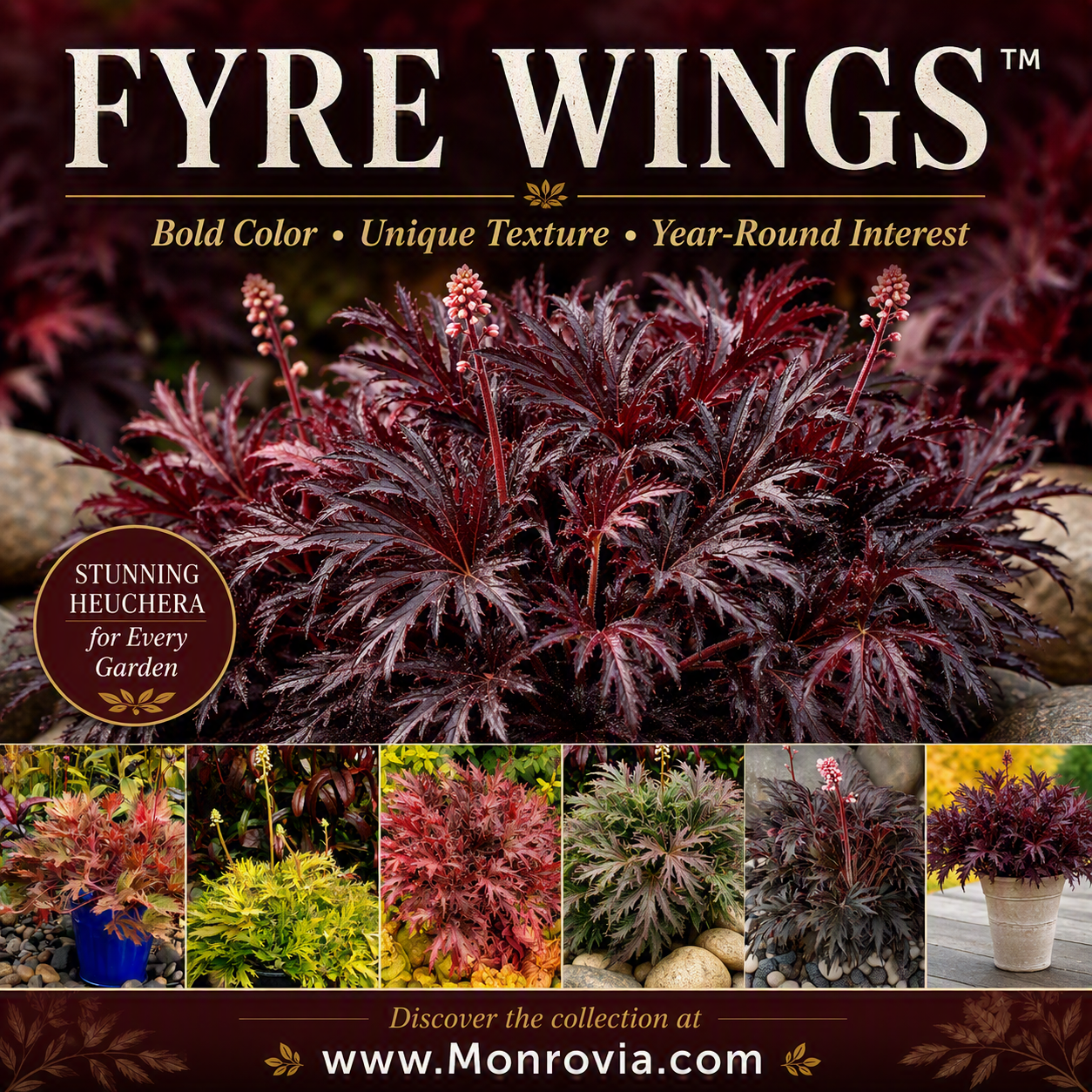
Fyre Wings™ Heuchera Delivers a Burst of Fall Color

Looking for vibrant foliage that shines when summer fades? Fyre Wings™ Heuchera from Terra Nova Nurseries lights up the garden with brilliant red foliage that intensifies as temperatures cool, providing outstanding fall and winter interest in many landscapes.

This compact perennial performs best in part shade, especially in Florida and other warm climates, where protection from intense afternoon sun helps maintain its vivid leaf color. Well-drained, organically enriched soil and consistent moisture will keep plants looking their best.

Beyond its stunning foliage, Fyre Wings™ produces delicate flower stalks that attract pollinators while adding seasonal charm. Whether used in mixed borders, woodland gardens, or decorative containers, this colorful coral bells selection brings months of dramatic color and texture to the landscape.

Garden Tip: Pair Fyre Wings™ with chartreuse, silver, or deep-green foliage plants to create striking autumn combinations that stand out long after many flowering plants have faded are great for container “fillers”.

You will find Fyre Wings™ at your local independent nurseries, box stores, and online at Monrovia, In The Country Garden & Gifts Online Store, and Plant Addicts.

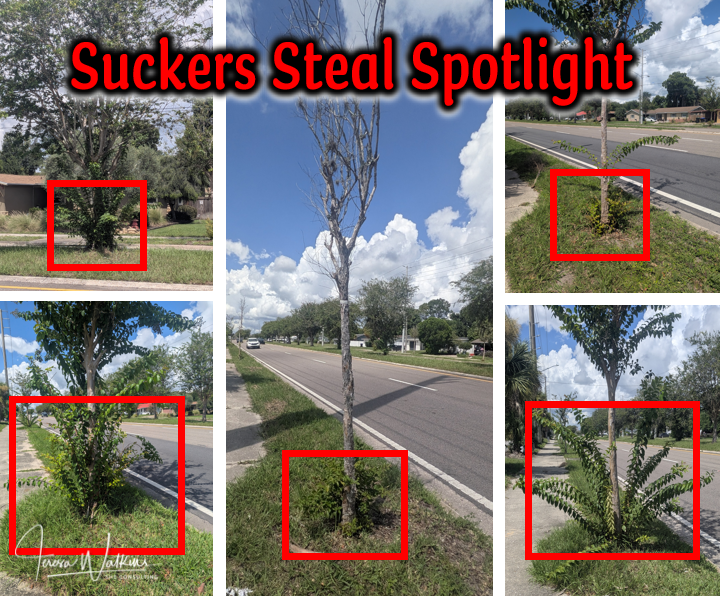
When cities and HOAs grow tired of maintaining landscaped medians, it shows. Crape myrtles, palms, Japanese blueberries, ornamental grasses, and other FDOT-recommended species selected for median plantings are valued for their adaptability and malleability[1], but they still require routine care. While these plants do not need the severe topping often referred to as "crape murder," they do benefit from seasonal pruning in both spring and fall.

Spring pruning should focus on removing crossing branches, limbs that restrict air circulation, and tender new growth that often develops as a result of improper pruning practices. By fall, these vigorous shoots have matured and begun developing into larger branches, requiring additional attention to maintain the plant's natural form.

Those vigorous shoots emerging from the base of a crape myrtle are called suckers. Although they may appear harmless, they can quickly alter the tree's graceful structure and divert energy away from flowering and canopy development. Suckers should be removed as soon as they appear by cutting them as close to their point of origin as possible.

Unfortunately, common maintenance practices often contribute to excessive sucker growth. Repeated injury from string trimmers or mowers around the base of a crape myrtle stimulates the plant to produce even more suckers. For this reason, weed whackers should never be used around the trunks of trees or shrubs. Mechanical damage not only encourages unwanted growth but can also create wounds that invite pests and disease.

For best results, inspect crape myrtles several times during the growing season, especially after pruning, storm damage, or periods of rapid growth. The easiest way to remove suckers is to catch them early. When the shoots are still soft and green, simply rub them off by hand. No tools are necessary, and early removal prevents them from developing into larger branches that require corrective pruning later.

Consistent sucker removal helps maintain the tree's attractive form, improves air circulation within the canopy, and creates a cleaner, more professional appearance. A healthy crape myrtle should showcase its distinctive bark and elegant branching structure, not a thicket of unwanted shoots surrounding its base.

Carefully designed and often expensive median landscapes can quickly become eyesores when routine maintenance is neglected. The lesson for cities, counties, and HOAs is simple: there is no such thing as a "no-maintenance" landscape. Every landscape requires ongoing care to preserve its beauty, safety, and long-term value.

[i] Malleability is the quality of plant material to easily recover after being damaged by vehicles, vandalism or similar causes.  Damaged trees will sprout from roots or stems to quickly restore their ornamental function.  Similarly, trees with high malleability can be more easily managed at a 100 mm or smaller caliper.  Stems are simply removed and replaced by sprouts which take the place of removed stems. Thus, a tree may be managed at a designated caliper diameter for a much longer time than one which cannot be so easily renewed. https://www.fdot.gov/   

Teresa’s note: The species are strong enough to slow down a colliding vehicle from entering the opposite-direction highway but able to give way for safety of humans and vehicles.

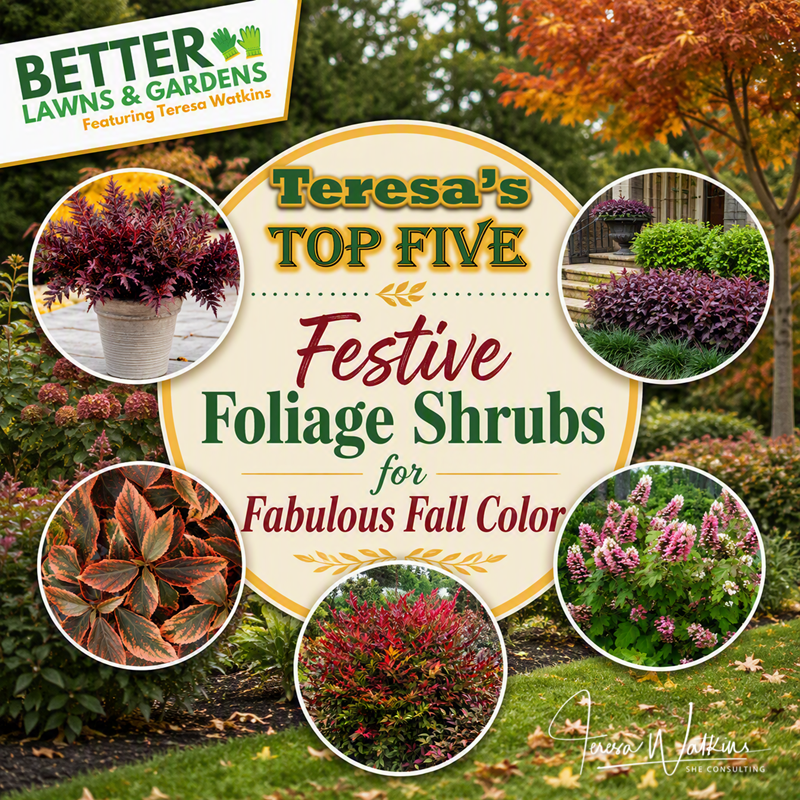
Despite living in Florida, the Sunshine State known for its tropical beauty, autumn remains my favorite season. Many people are surprised to learn that even in Florida, we can enjoy beautiful fall foliage that complements all the things we love about the season, from Halloween and Thanksgiving gatherings to pumpkin spice lattes and the cozy aroma of fireplaces and fire pits on crisp evenings. Discover these stunning plants that provide rich autumn colors for your landscapes and holiday containers. Good plants in Zones 7 through 10, all available at local nurseries or through online retailers.

5.  Nandina Heavenly Bamboo – Southern Living Collection.  Different types of nandina provide continuous color changes and unique foliage transitions. From vivid reds, burgundies, and blush pinks to complementary golden lime hues, these nandina plant varieties deliver dynamic color displays, ensuring your garden remains vibrant throughout every season but especially in Fall.  Obsession, vivid, bright red new growth that transitions beautifully to deep green, Flirt, Features deep red foliage with a compact growth habit, making it perfect for small garden spaces, container plantings, or as an eye-catching border.

4. Loropetalum – another fantastic Southern Living collection, with Red Diamond, midsize shrub 4’ – 6’, red blooms, Purple Daydream, dwarf, Purple Diamond, midsize, and Weeping Purple Pixie, 1’ – 2’ dwarf. Purple foliage, pink blooms.

3. Heuchera – Fyre Wing Dragon Collection, Amber, Jet, Rhodonite, Spinet, Hematite, with Foliage colors of Burgandy, Crimson, Wine, Honey and Fire.  Available through Plant Addicts.com

2. Oakleaf Hydrangea – Native flowering shrub, beautiful. Large oak-like leaves turn vivid red and burgundy in Fall.  You can also buy the new special collection from Proven Winners, Gatsby Gal, Gatsby Pink, and Gatsby Moon.  

1. Copperleaf Acalypha – medium to large shrubs, with striking, heart-shaped leaves that range from 4 to 8 inches long and display a variety of colors, including green, copper, crimson, pink, purple, yellow, and variegated patterns ‘Chocolate’ Tiki Island Sunrise, Louisiana Red, Independent nurseries like Quality Green Specialists, Petersons’ Nursery. Zones 9 - 11.