
September 26, 2026, 12:49 PM: Full Bass Moon – With over 7,700 lakes, bass fishing is at its peak statewide this month under the bright moon.
Check out each month of my Florida Full Moons here,
In Your Backyard
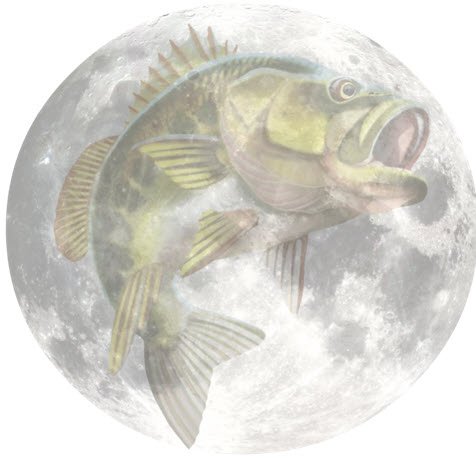
September 26, 2026, 12:49 PM: Full Bass Moon – With over 7,700 lakes, bass fishing is at its peak statewide this month under the bright moon.
Check out each month of my Florida Full Moons here,
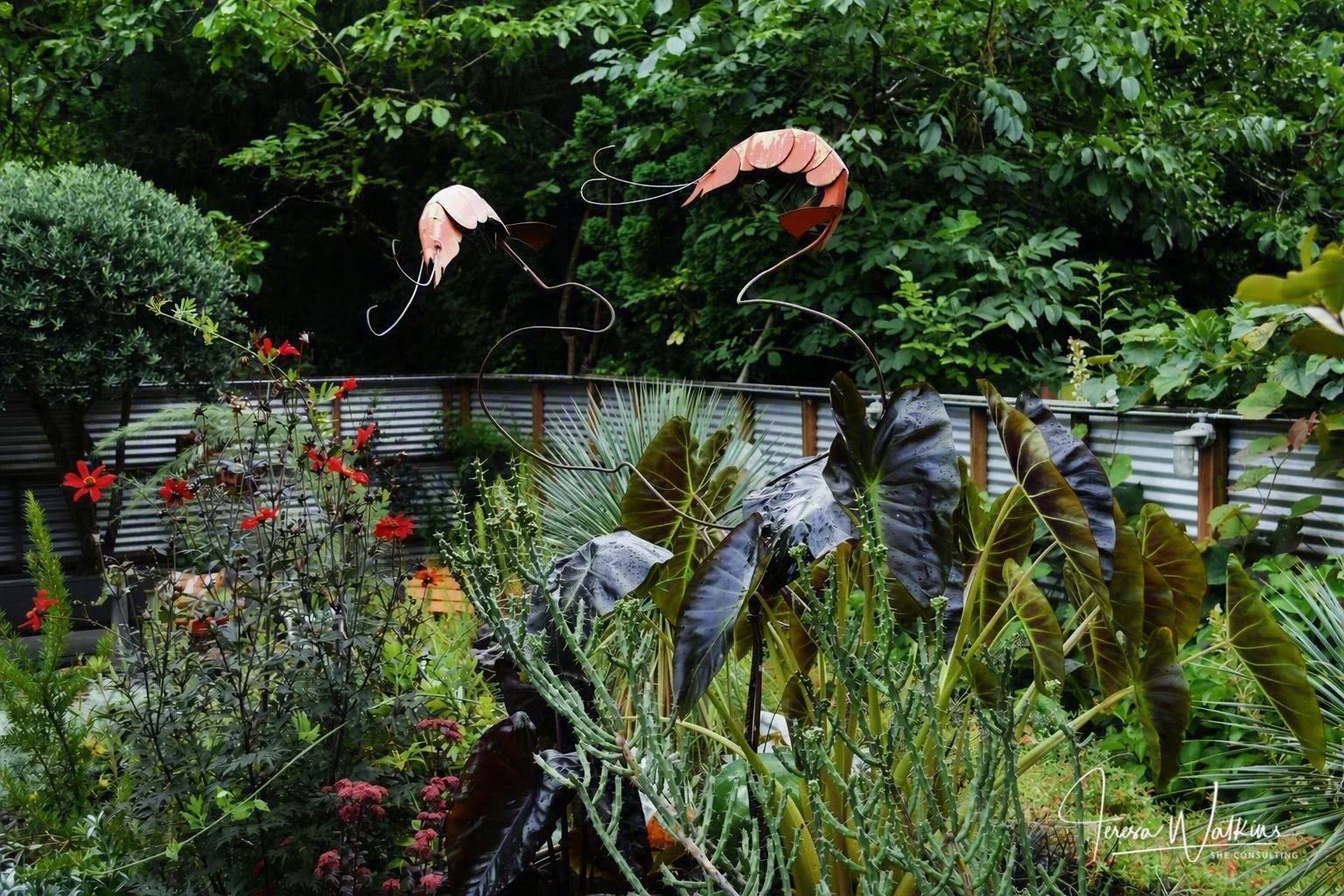
Lawns often thin in shady areas but typically recover during the fall through spring growing season.
Begin sodding lightly shaded areas once drier weather returns.
Where turf struggles to grow, consider replacing it with an attractive ornamental groundcover.
Mushrooms in the lawn are often a sign of healthy soil activity and beneficial organisms. Removal is generally unnecessary unless children or pets may come into contact with them.
Lawns infested with aggressive weeds should be renovated by removing affected areas and resodding, or by spot-treating with appropriate herbicides.
Repair pest-damaged or weed-infested areas with sod, plugs, or seed.
Delay broad weed-control applications until the end of the month.
Wait until October to fertilize lawns.
If turf appears pale, an application of iron or minor nutrients may provide temporary greening until regular fertilization begins.
Fall fertilizer applications are typically made in late September or October.
Complete Bahia grass seeding by early September.
Monitor for lawn caterpillars and chinch bugs, which can remain active into fall.
Fire ants are common in lawns. Treat individual mounds first, then consider treating the entire lawn if necessary.
Test soil pH and adjust as recommended.
Aerate compacted soils or areas that are difficult to wet.
Nematode management products are increasingly available through professional lawn-care providers.
Continue mowing at recommended heights and periodically vary mowing patterns to reduce wear.
Service lawn equipment now to ensure it is ready for the fall season.
Prune dead, damaged, or declining branches affected by freezes, drought, or pests.
Control weeds before they produce and disperse seed.
Refresh mulch layers in preparation for drier fall weather. In many areas, only a light topdressing is needed.
Many landscape plants have exceeded their intended space; now is a good time for corrective pruning.
Give poinsettias and hydrangeas their final seasonal pruning.
Remove dead stems and spent blooms from roses to encourage healthy growth.
Clean and sharpen pruning tools to ensure clean cuts and reduce plant damage.
Expect caladiums and some ginger species to decline and enter dormancy until spring.
Replace declining annual flowers with warm-season selections and postpone cool-season plantings until temperatures moderate.
Clean containers thoroughly and refresh potting soil before replanting.
Incorporate organic matter into sandy or previously planted sites to improve soil quality.
Remove declining palm fronds and flower stalks, but retain healthy green fronds.
Sterilize pruning tools between palms to help prevent disease spread.
Avoid planting palm species known to be susceptible to prevalent diseases.
Watch for scale insects, mealybugs, and aphids, and treat when necessary.
Sooty mold often develops on insect honeydew. Controlling the insects and applying horticultural oil will help manage both problems.
Check container plants for clogged drainage holes and repot when needed.
Chrysanthemums provide excellent fall color, but heat shortens their display. For best results, wait until November to purchase.
Divide and replant overcrowded perennials.
Cool-climate bulbs are available, but many require special chilling treatments to perform well in Florida.
Add new trees, shrubs, and palms to the landscape.
Continue palm fertilization through October, or apply a slow-release palm fertilizer three to four times annually.
Begin fall fertilization of shrubs and perennials in late September, where permitted.
Feed hanging baskets and orchids every other week.
Remove aging leaves and spent blooms from water lilies and provide monthly fertilization.
Plant as many warm-season vegetables as possible this month.
Set tomato transplants in the ground or containers early and begin training them to sturdy supports.
Use large containers for vigorous vegetable crops to provide adequate root space and moisture retention.
Clean containers and replace potting soil before each growing season.
Keep container-grown tomatoes evenly moist to help prevent blossom-end rot.
Add vegetables and herbs to patio and balcony container gardens.
Most vegetables require full sun, although leafy crops often tolerate filtered sunlight.
Remember that the sun shifts farther south during fall and winter, potentially creating more shade in the garden.
Revitalize previously planted beds by adding compost, manure, or other organic matter.
Remove plastic from solarized garden beds and plant directly without tilling.
In areas with nematode problems, dig large planting holes and fill them with quality planting mix.
Keep newly planted crops and seedlings consistently moist; irrigate established crops as soil begins to dry.
Apply the first fertilizer application approximately two weeks after transplanting or seed germination.
Continue monthly fertilization for in-ground plantings and every two weeks for container crops.
Consider using a slow-release fertilizer, which may provide sufficient nutrition for the entire season.
Incorporate flowering plants among vegetables to attract pollinators.
Provide supports for tomatoes, peppers, cucumbers, and other vining or heavy-fruiting crops.
Rejuvenate herb gardens in late September with fresh plantings.
Inspect the garden daily to monitor moisture levels, manage pests, and support healthy fall growth.
Use mulch to conserve moisture, suppress weeds, and reduce soil splashing on edible crops.
Remove and root pineapple offsets to expand plantings.
Water citrus trees once or twice weekly during dry periods to support fruit development.
Start seedlings of cool-season crops toward the end of the month.
Begin fertilizing citrus and avocado trees late in the month.
Revive tired foliage plants by moving them outdoors to a shaded location while temperatures remain favorable.
Orchids and bromeliads often benefit from a period outdoors when growth begins to slow indoors.
Groom outdoor foliage plants by removing damaged or unattractive leaves.
Monitor for scale, mealybugs, thrips, and mites, and control infestations with appropriate low-impact treatments.
Gradually reduce watering and fertilization of Christmas cactus and other holiday cacti.
Decide which plants will return indoors as cooler weather approaches.
Repot foliage plants that have outgrown their containers before fall temperatures arrive.
Feed foliage plants monthly, or use a slow-release fertilizer according to label directions.
Replace declining houseplants with fresh selections for the new season.
Purchase amaryllis and paperwhite narcissus bulbs for holiday forcing displays.
Monthly gardening information for Florida-friendly landscapes,, what to do in your garden, design advice, and more!