gardens

What To Do In Your Backyard in October
Average temperatures High 85 Low 65

Average rainfall is 2.73 inches

Time Change happens October 31st. Change your irrigation system to 1x a week watering.

October plantings

Vegetables: Beet, broccoli, Brussels sprouts, cabbage, carrot, cauliflower, celery, collards, kohlrabi, lettuce, mustard, onion, peas, potato, radicchio, radish, rhubarb, roquette, rutabaga, spinach, strawberry, Swiss chard and turnip

Flowers: African daisy, alyssum, angelonia, ageratum, begonia, black-eyed Susan, blue daze, calendula, candytuft, celosia, chrysanthemums, cleome, coleus, cornflower, cosmos, dianthus, dusty miller, gaillardia, gazania, geraniums, gerbera, heliotrope, hollyhock, impatiens, larkspur, lobelia, nicotiana, pentas, petunia, salvia, snapdragon, sunflower, sweet pea, verbena and zinnia.

Herbs: Anise, basil, bay laurel, borage, cardamom, chervil, chives, coriander, dill, fennel, garlic, lavender, lemon balm, lovage, mint, nasturtium, oregano, rosemary, sage, sweet marjoram, tarragon, thyme and water cress.

Bulbs: African lily, agapanthus, amaryllis, anemone, bulbine, calla, crinum, day lily, gingers, gladiolus, pineapple lily, rain lily, society garlic, spider lilies, walking iris, watsonia. Refrigerate crocus, daffodils, hyacinth, narcissus, and tulips for forcing.

Grasses: Lomandra Breeze, Miscanthus ‘Adagio’, Muhly Grass, Dwarf Fakahatchee, White Fountain Grass, Lemon Grass.

Lawn care

  • Get a soil test from the UF Soil Laboratory before fertilizing to know what nutrients to apply.

  • Have the soil acidity tested.

  • Apply a phosphorus-free lawn fertilizer to regreen the turf, (15-0-15)

  • When applying fertilizer, follow label instructions.

  • October is the last feeding for Bahiagrass, centipede, and zoysia lawns this year.

  • Apply fertilizers, herbicides, after a rain event, not before.

  • Apply fertilizer and herbicides as separate treatments. Skip weed-and-feed products for more effective, targeted applications.

  • Regreen lawns that continually have a yellow look with an iron or minor-nutrient application.

  • Herbicide-only products may be used following label instructions for your lawn type.

  • Herbicides may not control all weeds; pull, dig or use non-selective spot sprays as labeled.

  • October through April is a good time to install sod.

  • Fill bare spots in lawns left from summer pests with sod or plugs.

  • Seeding time for Bahiagrass is over.

  • Delay rye seedings until temperature highs are in the low to mid-70’s.

  • Chinch bugs and sod webworms can linger into Fall; control as needed

  • Time Change happens October 31st. Change your irrigation system to 1x a week watering.

  • Water turf when it shows signs of moisture stress.

  • Use soil aeration in older, compacted, and poorly-drained soils to encourage better root growth.

  • Continue mowing to maintain proper turf height; keep mowing height the same year-round.

  • Sharpen & balance mower blades to give a smooth cut to leaf blades.

  • Change the oil and air filters of gas-powered equipment for Fall.

  • Use mulch or ornamental ground covers in areas where turf won’t grow.

 Vegetable and fruit tree care

  • Harvest pumpkins this month. Look for dying leaves and vines, deep color, and hardened stem and rind.   

  • Use large transplants of tomatoes, peppers, and eggplants to get a Fall crop.

  • Stake or trellis tall or vine crops to keep the edible portions off the ground.

  • Feed gardens every 3 to 4 weeks with a traditional fertilizer or use a slow-release product.

  • Tomatoes begin setting and holding their fruits early to mid-month.

  • Add flowers to vegetable gardens to attract pollinators.

  • Prevent spray damage to pollinators; apply sprays when they are not active.

  • Caterpillars feed on cucumbers, melons and tomatoes; control with a natural spray.

  • Begin plantings of cool season vegetables around mid-month.

  • Gardeners cramped for space can grow vegetables in containers.

  • Start seeds for transplants of broccoli, cauliflower, and similar vegetables in containers.

  • Add a mulch to the surface of the soil to conserve moisture and keep vegetables dirt free.

  • Groom Summer-weary herb plantings and start new ones that prefer the cooler weather.

  • Most vegetables & herbs need a moist soil; water when the surface begins to dry to the touch.

  • Fruit splitting on citrus trees is normal and may continue into the Fall.

  • Help prevent citrus fruit drop and splitting, water once or twice a week during dry weather.

  • Give citrus the final feeding of the year during early October.

  • Till new garden sites and enrich sandy soils with garden soil, organic matter and manure.

  • Remove offshoots from pineapple plants to start new beds.

  • Start papaya seedlings for late winter transplants.

  • Add strawberry plants to a garden or build a pyramid for planting.

  • Delay pruning all fruit plantings until mid to late winter.

  • Speed up the composting process by turning the piles monthly.

  • Harvest maturing chayote, cocoyam, dasheen, and gourds.

  • Dig in the soil to check sweet potato plantings; most have roots ready to harvest.

  Landscape chores

  • Recycle dead shrubs and branches in your Halloween landscape.

  • Many plants produced late summer growth; prune to remove out of bounds shoots.

  • Major pruning time is over for azaleas, bougainvillea, camellias, gardenias, and poinsettias.

  • Shield poinsettias and holiday cactuses from nighttime light starting mid-month.

  • Shrubs, ground covers, and perennials, are ready for a final Fall feeding.

  • Use a slow-release fertilizer that can feed in-ground and container planting for months.

  • Most ornamental and shade trees do not need a special feeding

  • Give palms a final feeding of the year with an 8-0-12-4mg fertilizer or similar product.

  • Palm diseases are prevalent; clean and sterilize pruners between palms.

  • Be smart and only remove the brown fronds and flower stems from palms.

  • Give hedges a final trimming.

  • Remove suckers and low limbs from trees.

  • Weeds are plentiful in ornamental plantings; hand pull or spot kill to prevent seeding.

  • Whiteflies and mealy bugs are major pest; systemic insecticides offer good control.

  • Drier weather lies ahead; water when the surface soil begins to dry.

  • Most established trees and shrubs can go a week or more between waterings.

  • Trim away limbs and weeds blocking the operation of sprinkler systems.

  • Check container plantings for plugged drainage holes; repotting may be needed.

  • Maintain mulch under trees and shrubs; start the mulch several inches from trunks.

  • Determine tree needs and plant smaller growing wind resistant species.

  • Check tree and palm supports to make sure they are secure but not damaging the plants.

  • Add Fall plants to hanging baskets and container gardens.

  • Edge sidewalks and plant beds.

  • Replace soil in problem flower beds and planters.

  • Replant flower beds with cool season annuals and perennials; delay pansies until November.

  • Start Pansy and other winter annual seeds now for planting in November and December.

  • Divide perennial and bulb plantings.

  • Give water lilies and bog plants a monthly feeding.

 House & foliage plant care

  •  Order gift amaryllis to be delivered in December for Xmas.

  • Plants reduce pollutants and create a pleasing atmosphere when added to homes and offices.

  • Foliage plants are often a good buy at garden centers during Fall; replace declining plants.

  • Many foliage plants have grown too large for their containers; repot as needed.

  • Groom outdoor foliage plants and begin moving them to a warm location.

  • Most foliage plants need a bright light location but out of the direct sun.

  • Feed plants in bright light monthly; less often in low light.

  • Control insects on plants before moving them indoors.

  • Water holiday cactuses only when the surface soil dries

  • Begin forcing amaryllis and paper white narcissus for indoor displays and discontinue feedings.

  • Make sure indoor poinsettia, holiday cactuses and kalanchoes receive no nighttime light.
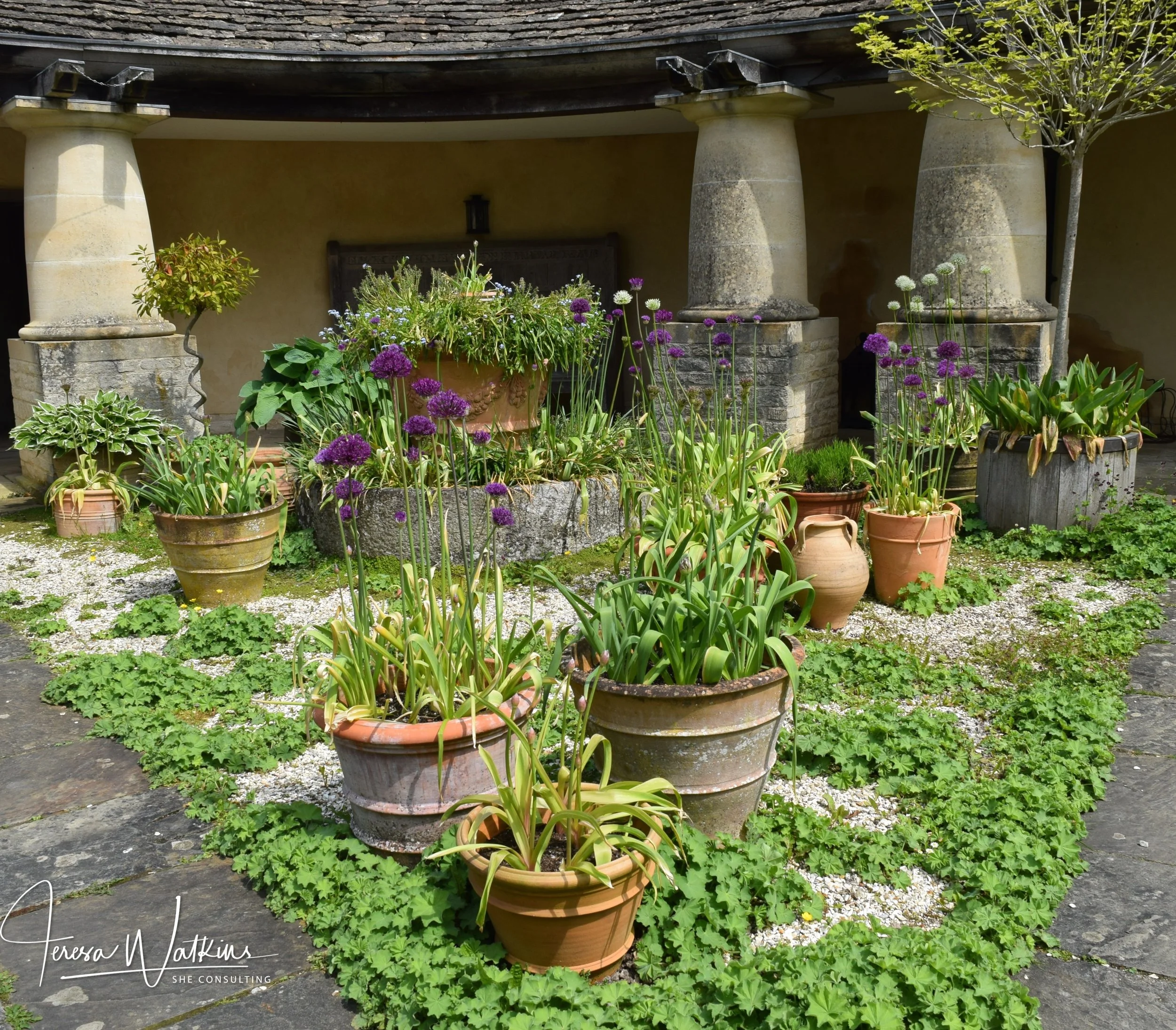
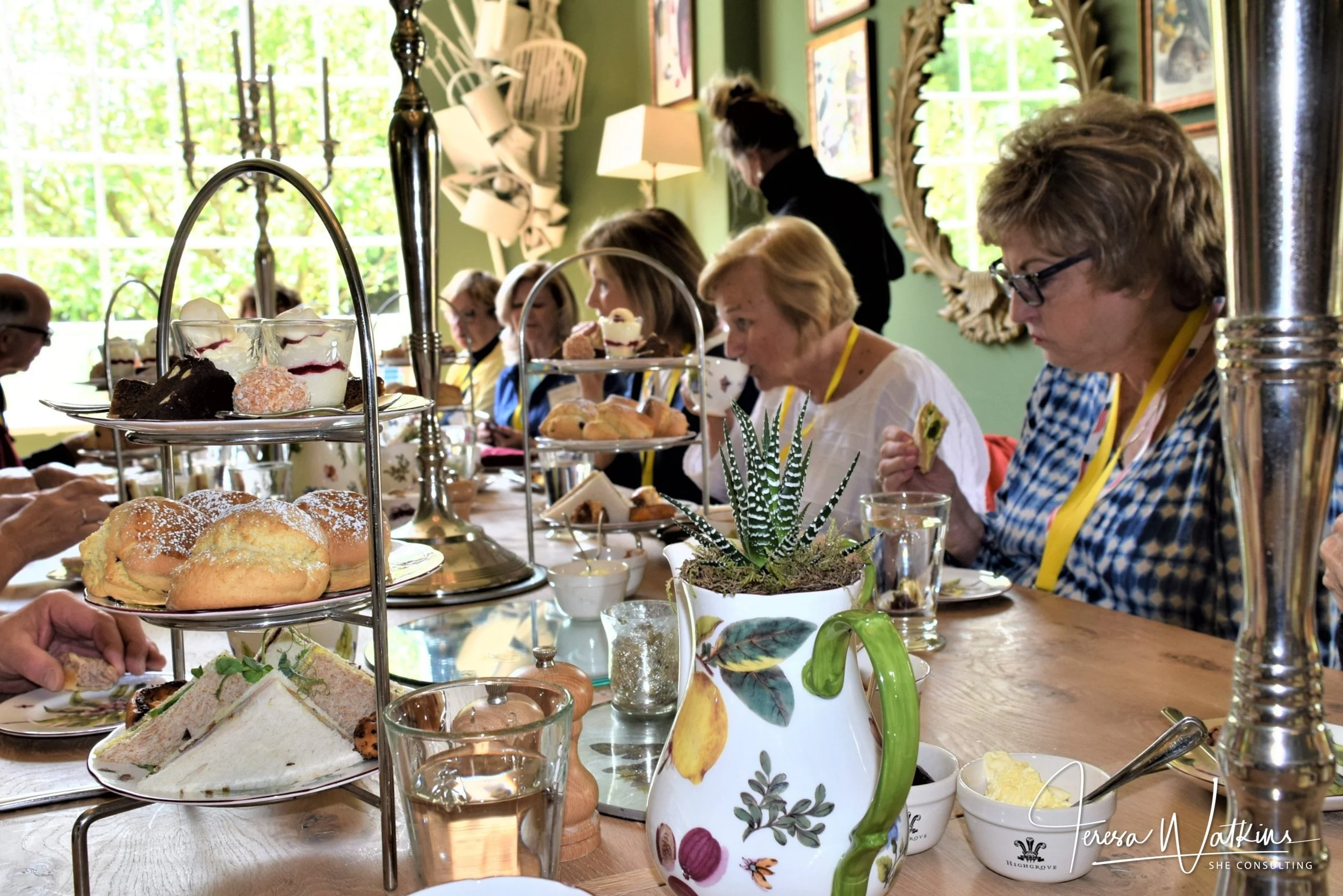
Treat Yourself To Afternoon Tea at King Charles III's home, Highgrove.

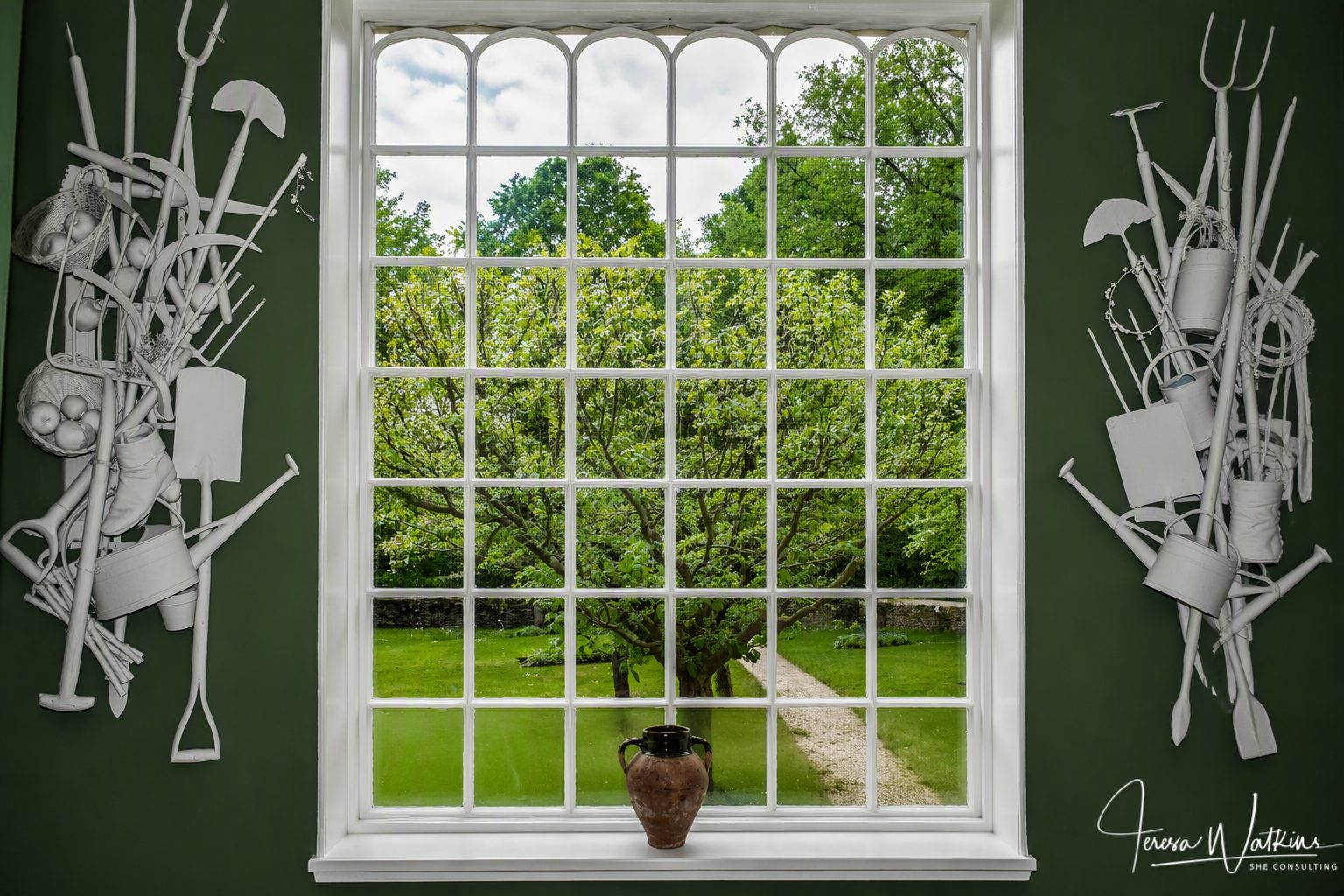
One of the exclusive highlights of our 2027 Chelsea Flower Show & Best of English Gardens tour is a memorable afternoon tea at King Charles III's Highgrove gardens, accompanied by an intimate guided visit through his renowned royal gardens. Experience the finest English hospitality, including exceptional dining at a Michelin Guide One-Star restaurant featuring modern British farm-to-table cuisine set within the stunning Elizabethan manor of Gravetye.

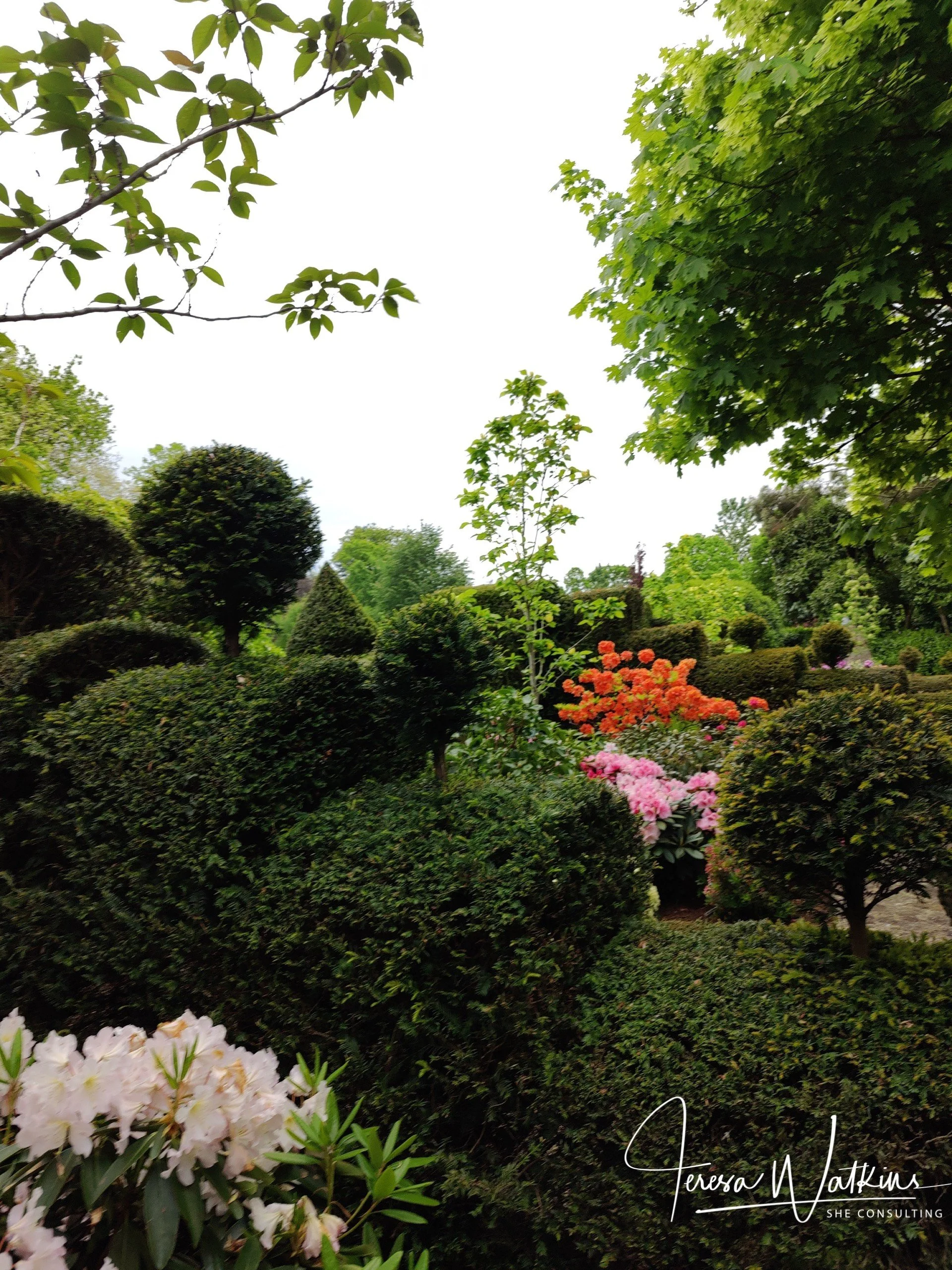
Discover some of England's most inspiring and celebrated gardens, including the historic Garden Museum, Great Dixter, Sissinghurst Castle Garden, Iford Manor Gardens, the charming cottage gardens of the Cotswolds, and the world-class RHS Wisley Gardens. This extraordinary journey combines royal elegance, horticultural excellence, and quintessential English charm. https://tinyurl.com/4t9u5e5e

Only a few spots left. Limited space is available for this exclusive garden experience.

Teresa’s Top Five Zinnias To Beat The Heat

Zinnias were the first flowers I learned to draw—and they’re easy to love. In my view, they’re among the most enjoyable long-lasting annuals to grow. Whether you’re a child, a beginner gardener, Master Gardener, or a professional landscaper, zinnias provide vibrant color, summer-long blooms, few pest problems, and minimal maintenance. These are my five favorite zinnia varieties from Burpee seeds for a pollinator garden or meadow—plant a few now!

  1. Macarenia zinnias bring vivid spicy-orange color to the garden. Their 3" blooms last all summer, brightening beds, borders, containers, and cut-flower gardens, with colors that deepen as the flowers mature. Burpee 35 seeds, $8.95.

  2. Raspberry Lemonade zinnias’ bold 2–3" blooms bring a colorful display to borders and containers. The vibrant mix features coral, yellow, and starlight rose, offering easy-care, long-lasting summer color with strong disease and drought tolerance. Burpee 25 Seeds $6.95

  3. Giant flowered zinnias are dynamic! These sturdy, bushy flowers produce huge 5" double blooms that look like dahlias and add bold, vibrant color to the garden. Heat-loving and easy to grow, they keep flowering more as you cut them, making them a summer bouquet favorite. Burpee 150 seeds $5.45 and 375 seeds $7.95

  4. Tequila Lime zinnias are large, bright zinnias feature crisp, citrus-green blooms up to 3" wide. Their rounded flowers add a lively lime-colored pop to the garden and are ideal for cutting and arranging. Purchase Burpee 50 seeds $6.95

  5. Cactus Flowered Zinnias are an enduring Heirloom variety. Narrow, quilled petals give these heirloom zinnias distinctive flair. Introduced as Burpee’s “breakthrough” zinnia in the 1920s, this mix produces double and semi-double blooms up to 5" wide in scarlet, rose, orange, white, and yellow. Exceptional for cut flowers. Burpee 100 seeds $4.95

You can seeds in seed-starting trays and pots or directly into your garden. Seeds will germinate in 7 to 10 days. If needed, thin flowers out as they reach 1” to 2”, spacing them one half of the variety’s mature height. (See on seed packet) Keep consistently moist, watering if no rain 1x - 2x a week. But do not overwater. Container plants may need more watering oversight depending on pot material. To prevent fungal issues, water in early morning between 4am and 6am.

Photo credit: Burpee

Photo credit: www.Heirloomroses.com, Pinterest, www.floribundance.com, Teresa Watkins

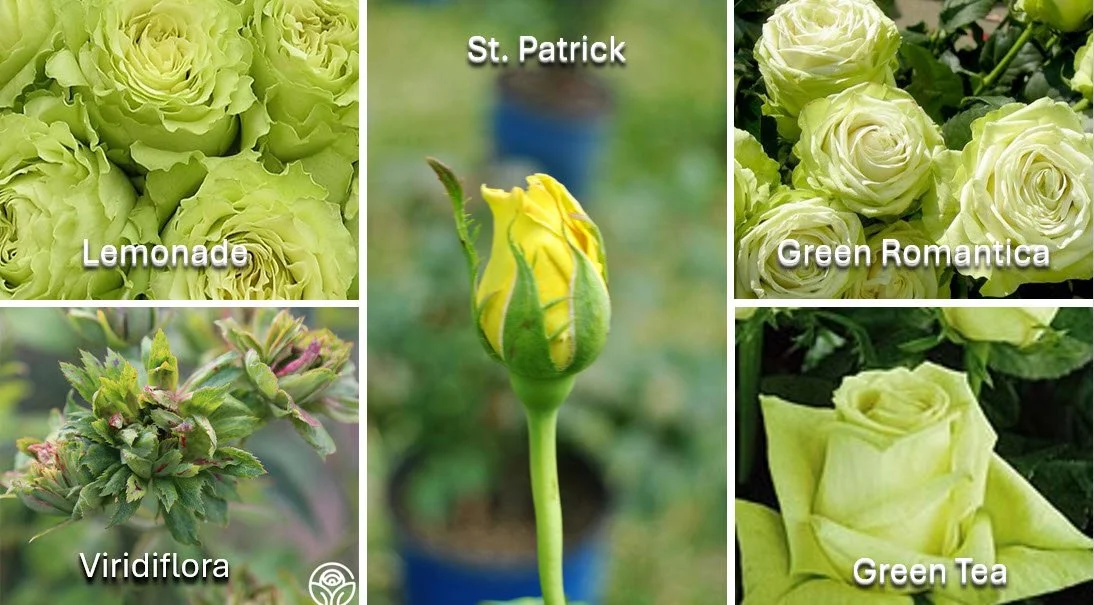
Rosa chinensis ‘Viridiflora’

A China rose with green sepals instead of petals. This rose attains a height of 3 to 5 feet and has a shrubby growth habit, making it suitable for border plantings or as an ornamental feature.  Zoned 5 through 10, as well as its tolerance of shade,

Green Tea: Pale Green Hybrid Tea

Hybrid tea rose grown in South America showcases a pale green, nearly white, double blossoms with a traditional rose form. Grows to a height of 3–4 feet.

Green Romantica®  

The Hybrid Tea variety, bred for its distinct green hues, is noted for its subtle fragrance and gentle green coloration. Available on Heirloom Roses dot com.

Lemonade: Chartreuse Cabbage Rose

This rose features large, chartreuse-green, ruffled blooms and sturdy heads, ideal for centerpieces. It grows 3–4 feet tall with a bushy form.

St. Patrick, Hybrid Tea Rose

I have grown this lovely yellow rose, indeed tinged with green, displays striking chartreuse buds and large 5-inch flowers with more than 35 petals. Its bushy form blooms continuously, and the grey-green leaves provide a perfect contrast to the blossoms.

www.heirloomroses.com and specialty growers.

Embracing the Beauty of Fall

Fall is truly my favorite time of year. Not only is it the season of my favorite holidays (and Tony’s and my birthdays) but the season brings an exquisite Autumn color palette featuring rich shades of burgundy, vibrant orange, earthy browns, and deep forest greens. As the days progress, the temperatures begin to cool, even if only by a few degrees, providing a refreshing change from the heat of summer. Additionally, the humidity gradually decreases, making time spent in the garden much more comfortable and enjoyable. I’m looking forward to the upcoming change of seasons and new year.

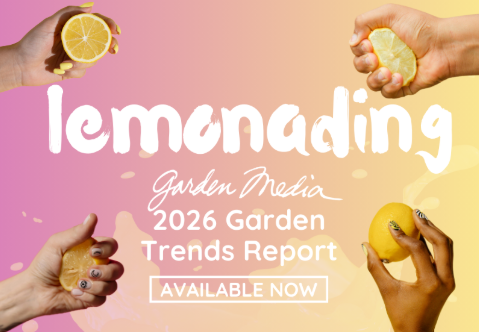
Recently, on Better Lawns and Gardens, I had the pleasure of speaking with Katie Dubow, President of the Garden Media Group. In September, the company marked an impressive milestone, celebrating 25 years of forecasting garden trends. Their ongoing research continues to shape the gardening world, and according to their latest findings, the prominent theme for 2026 will be “Lemonading.”

 Lemonading, the ability to reframe problems with creativity into ideas and solutions. This new phrase provides opportunities for people to enjoy life and stylize it to their own personality and needs. How does Katie and the Garden Media Group Dream Team think lemonading will shape gardening in 2026?  The company’s research shows that people will be:

  • Looking for joy, relaxation, seeing their efforts make a difference, not only in gardening but in their world.

  • More “kidulting” with new software, using games and technology from our youth (and adulthood) to relax but also to be a better gardener.  

  • Setting yourself apart with collections, bento-style vignettes, especially rare and exotic plants, unusual pets, and re-shaping outdoor spaces.

  • 2026’s Color of the Year: Faded Petal. A beautiful vintage soft pink color is muted by light ash. See their flower and shrub species recommendations you can add to your landscape to showcase this new color in the link below.

Katie and her all-female staff’s predictions make sense in today’s accelerating by-the-day-world. Each of the categories is explained in depth in the Annual Report.  It’s a fun read and I will be very interested to see how much is spot on target for our future. We’ll see.

The Garden Media Group’s Annual Report can be downloaded free here.

During our final Art in Bloom Garden Tour of the year, in the New York’s Hudson River Valley, participants experienced wonderful weather and vibrant floral displays while visiting distinguished estates and notable botanical garden exhibitions. At the New York Botanical Gardens, attendees viewed The Van Gogh Flower Show, which featured an impressive selection of sunflowers, artistically arranged frames and easels with real floral compositions, as well as landscape beds designed to evoke Van Gogh’s iconic floral paintings. Additional gardens included Stonecrop Gardens, Kykuit at the Rockefeller estate, and the Gothic Revival Lyndhurst Mansion.  

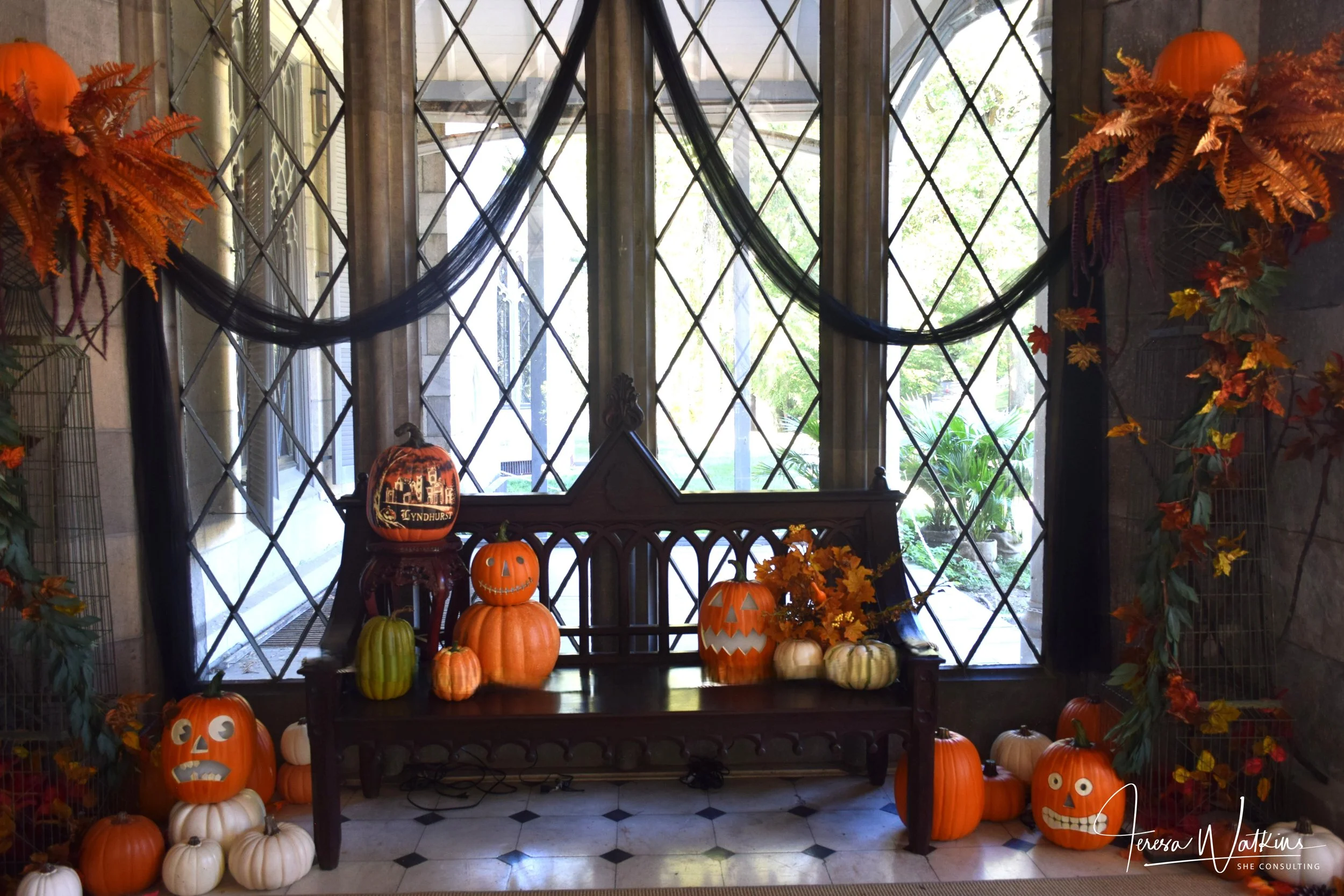
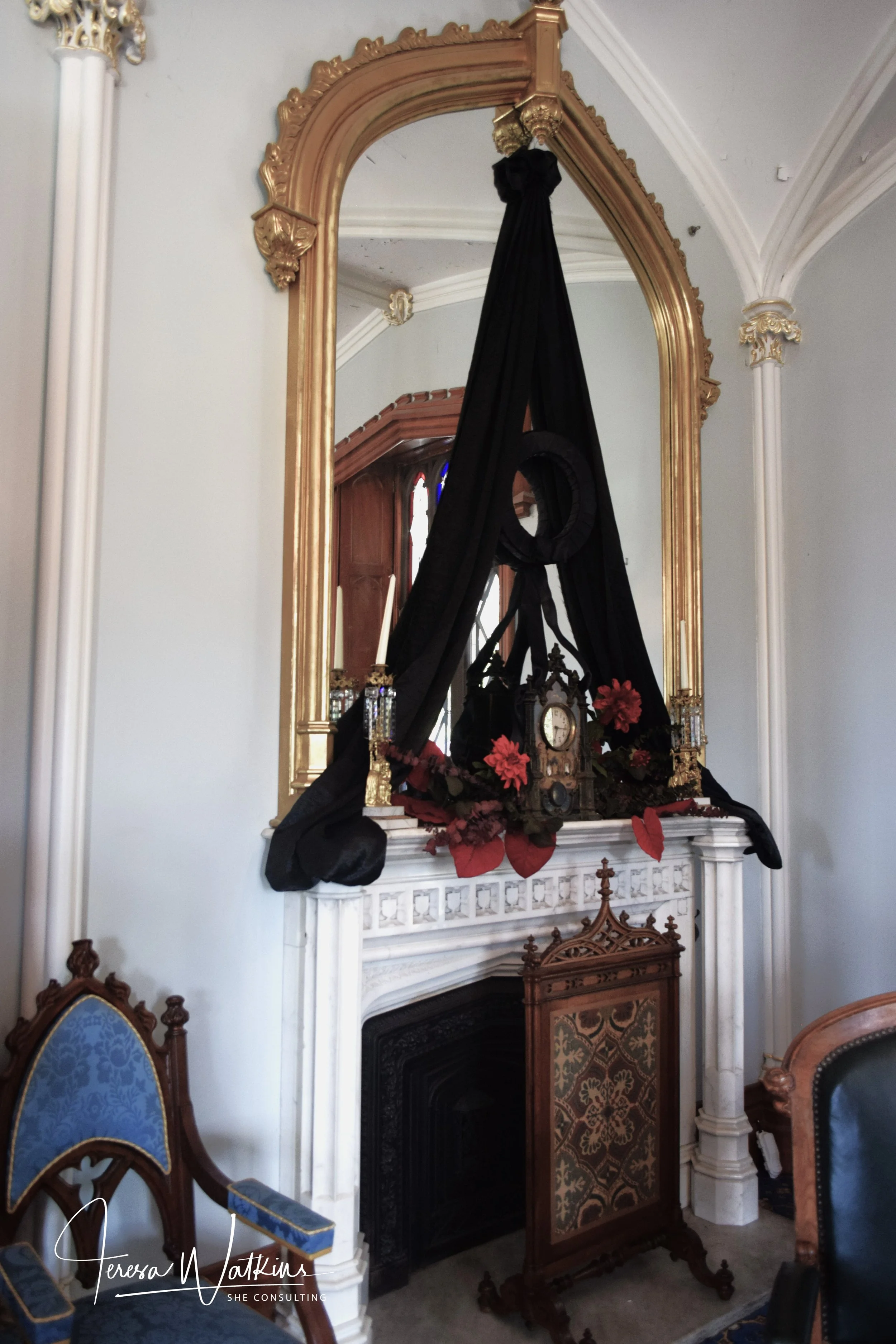
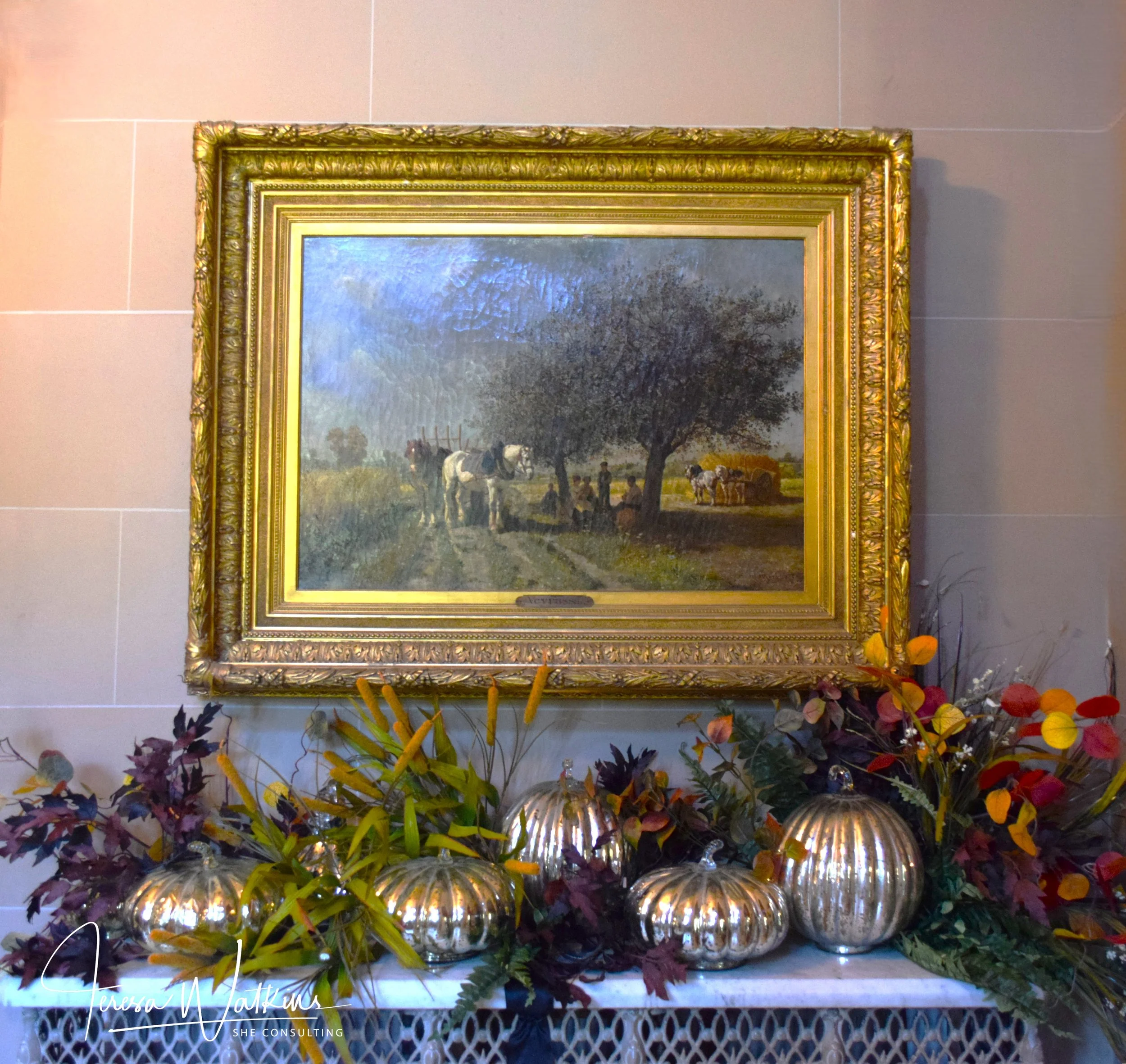
A serendipitous discovery at the Lyndhurst Mansion was that it was used as the exterior backdrop of the mansion for the 1960’s gothic “Dark Shadow” soap opera series. It was my favorite soap opera next to All My Children. The house’s interior was decorated for Halloween and so much fun to walk through. I appreciated that the home did allow for interior photographs.

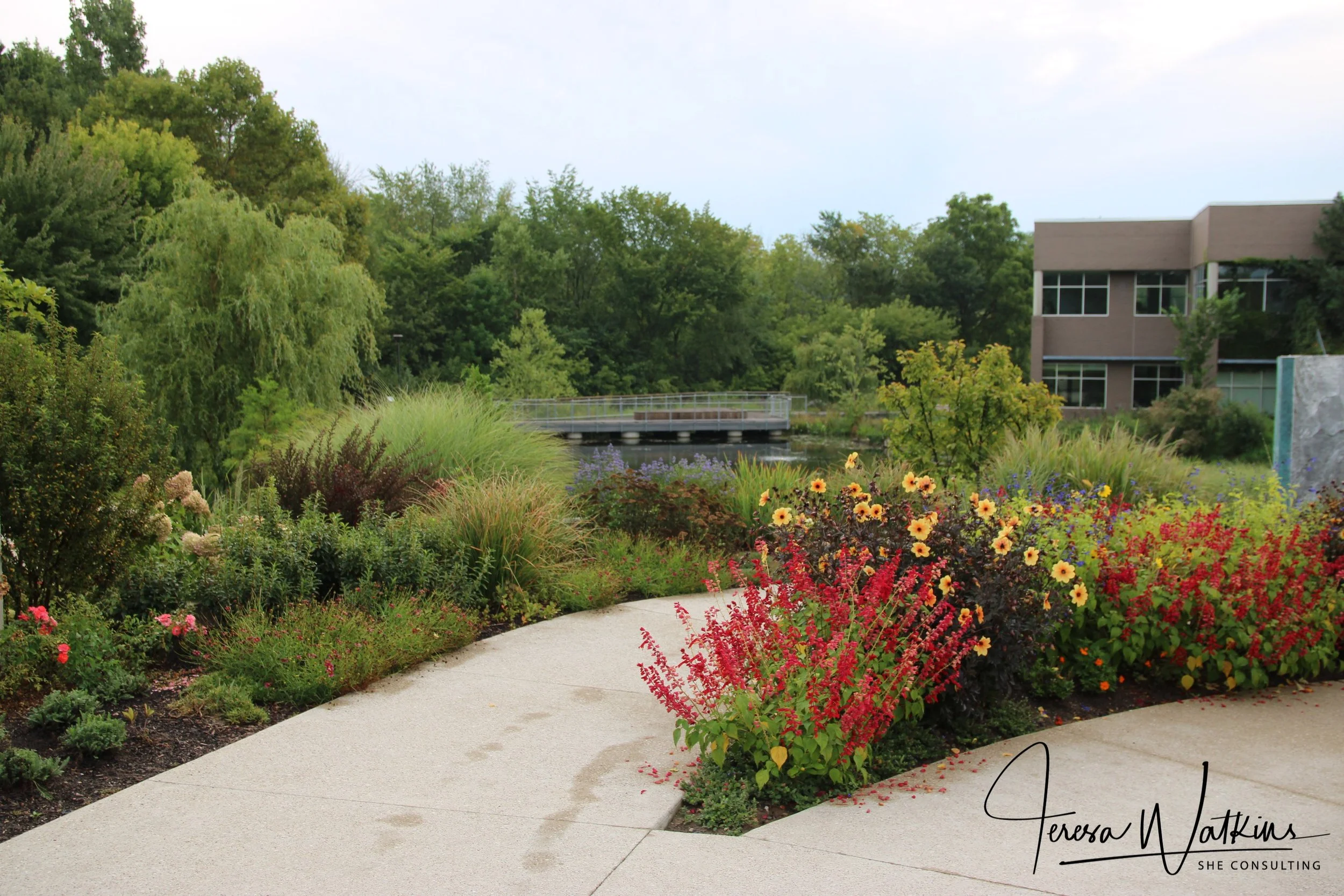
Another of our garden tour stops, Wave Hill, a public garden that offers incredible views of the Hudson River and features a variety of themed gardens with creative beds, art work, and diverse plant combinations. The botanical garden includes numerous plant displays that are suitable for growing in Florida's climate. The Kate French Terrace garden beds showcase color schemes including jewel tones and soft grays, which are well suited for the fall season. I include my favorite in Teresa’s Landscape Design Tips. Does it work for you?

October marks the start of Fall gardening, so consider a soil test and fertilizing if it's been a while. Adjust soil amendments and pH as needed and consult planting guides for this month's What To Do In Your Landscape in October.

My Plant of the Month is a medium-sized shade shrub with evergreen leaves, fall and winter blooms, and no pest issues—an ideal choice for your garden.

In Lizzie’s Gardening Adventures, discover how her garden gives back and how she finally resolves turkey troubles. She rules her roost!

Horrific landscape malpractice has kept me awake for decades and is as scary today as ever. Just because “Halloween” season is approaching, doesn’t mean you have to create your own “Nightmare on Elm Street.”  Learn how to properly prune your landscape.  

Please comment below if you have any gardening questions or thoughts. I hope you enjoy the newsletter and are looking forward to the cooler temperatures and holiday season. I know I am.

Better Lawns and Gardens

Better Lawns and Gardens Hour 1 – Coming to you from the Summit Responsible Solutions Studios. Garden expert and host, Teresa Watkins is joined by Quality Green Specialists Nursery owner, Dana Venrick to talk about excellent trees for Father’s Day gifts. Teresa’ Top Five Pieces of Garden Art. What to plant in June in your landscape. Garden questions include staghorn fern fell – what to do? Can you grow tomatoes in summer in Florida, using moss from trees as mulch, podocarpus declining, is there an olive variety that is pitted and filled with pimento cheese, and more. https://bit.ly/4diIsZH

Better Lawns and Gardens Hour 2 – Coming to you from the Summit Responsible Solutions Studios.  June is National Rose Month! Roses grow well in Florida if they are the right ones. Teresa provides rose care selection, care, and her favorite roses. Teresa’s Dirty Word of the Day is Caliper and DBH. Garden topics and questions include mulberry not looking good,  hibiscus dropping leaves, and propagation, and more. https://bit.ly/4diIsZH

Sign up for Teresa’s monthly gardening newsletter, “In Your Backyard” where you can read Teresa’s what to do in your landscape tips, Landscape Malpractice: How to know when to fire your landscaper,” Teresa’s Design Tips; and more. https://bit.ly/2YRBbsT 

Art in Bloom Garden Tours  Buffalo Garden Walk and Niagara Falls, Canada, The Gardens of Scotland, and The Gardens and Grandeur of the Hudson River Valley. Come join Teresa on incredible garden tours! https://bit.ly/4fe9m62

Graphic credit: Teresa Watkins, 

Listen every Saturdays from 7am - 9am EST on WFLA- Orlando. Call in with your garden questions and text messages on 1-888.455.2867 and 23680, Miss the live broadcast? Listen on Audioboom podcast 24/7. https://bit.ly/3c1f5x7

Join me on Facebook, Instagram.

#WFLF #WFLA #FNN #WNDB #BetterLawns #gardening #Florida #planting #gardeninglife #radio #southflorida #northflorida #centralflorida #Deland #SHE #Orlando #Sarasota #Miami #FortLauderdale #podcast #syndicated #BLGradio #WRLN #WiOD #gardening #SummitResponsibleSolutions #QualityGreenSpecialists #BlackKow #gardensonInstagram  

The Banquet Hall Ruins

Sudeley Castle and Gardens. Join us on sublime garden tours at www.artinbloomgardentours.com.

#gardentours #gardens #gardenadventures #gardensofInstagram #tours #travel #artinbloom #rousham #roses #trellis #botanicalgardens #vines #landscapedesign #natural #landscapes #gardendesign #inspiration #flowers #plants #england #uk #privategardens #bordergardens #castle #Sudeley