fruit trees

What To Do in Your Backyard in September

Lawn Care

  • Lawns often thin in shady areas but typically recover during the fall through spring growing season.

  • Begin sodding lightly shaded areas once drier weather returns.

  • Where turf struggles to grow, consider replacing it with an attractive ornamental groundcover.

  • Mushrooms in the lawn are often a sign of healthy soil activity and beneficial organisms. Removal is generally unnecessary unless children or pets may come into contact with them.

  • Lawns infested with aggressive weeds should be renovated by removing affected areas and resodding, or by spot-treating with appropriate herbicides.

  • Repair pest-damaged or weed-infested areas with sod, plugs, or seed.

  • Delay broad weed-control applications until the end of the month.

  • Wait until October to fertilize lawns.

  • If turf appears pale, an application of iron or minor nutrients may provide temporary greening until regular fertilization begins.

  • Fall fertilizer applications are typically made in late September or October.

  • Complete Bahia grass seeding by early September.

  • Monitor for lawn caterpillars and chinch bugs, which can remain active into fall.

  • Fire ants are common in lawns. Treat individual mounds first, then consider treating the entire lawn if necessary.

  • Test soil pH and adjust as recommended.

  • Aerate compacted soils or areas that are difficult to wet.

  • Nematode management products are increasingly available through professional lawn-care providers.

  • Continue mowing at recommended heights and periodically vary mowing patterns to reduce wear.

  • Service lawn equipment now to ensure it is ready for the fall season.

In the Landscape

  • Prune dead, damaged, or declining branches affected by freezes, drought, or pests.

  • Control weeds before they produce and disperse seed.

  • Refresh mulch layers in preparation for drier fall weather. In many areas, only a light topdressing is needed.

  • Many landscape plants have exceeded their intended space; now is a good time for corrective pruning.

  • Give poinsettias and hydrangeas their final seasonal pruning.

  • Remove dead stems and spent blooms from roses to encourage healthy growth.

  • Clean and sharpen pruning tools to ensure clean cuts and reduce plant damage.

  • Expect caladiums and some ginger species to decline and enter dormancy until spring.

  • Replace declining annual flowers with warm-season selections and postpone cool-season plantings until temperatures moderate.

  • Clean containers thoroughly and refresh potting soil before replanting.

  • Incorporate organic matter into sandy or previously planted sites to improve soil quality.

  • Remove declining palm fronds and flower stalks, but retain healthy green fronds.

  • Sterilize pruning tools between palms to help prevent disease spread.

  • Avoid planting palm species known to be susceptible to prevalent diseases.

  • Watch for scale insects, mealybugs, and aphids, and treat when necessary.

  • Sooty mold often develops on insect honeydew. Controlling the insects and applying horticultural oil will help manage both problems.

  • Check container plants for clogged drainage holes and repot when needed.

  • Chrysanthemums provide excellent fall color, but heat shortens their display. For best results, wait until November to purchase.

  • Divide and replant overcrowded perennials.

  • Cool-climate bulbs are available, but many require special chilling treatments to perform well in Florida.

  • Add new trees, shrubs, and palms to the landscape.

  • Continue palm fertilization through October, or apply a slow-release palm fertilizer three to four times annually.

  • Begin fall fertilization of shrubs and perennials in late September, where permitted.

  • Feed hanging baskets and orchids every other week.

  • Remove aging leaves and spent blooms from water lilies and provide monthly fertilization.

Fruit and Vegetable Care

  • Plant as many warm-season vegetables as possible this month.

  • Set tomato transplants in the ground or containers early and begin training them to sturdy supports.

  • Use large containers for vigorous vegetable crops to provide adequate root space and moisture retention.

  • Clean containers and replace potting soil before each growing season.

  • Keep container-grown tomatoes evenly moist to help prevent blossom-end rot.

  • Add vegetables and herbs to patio and balcony container gardens.

  • Most vegetables require full sun, although leafy crops often tolerate filtered sunlight.

  • Remember that the sun shifts farther south during fall and winter, potentially creating more shade in the garden.

  • Revitalize previously planted beds by adding compost, manure, or other organic matter.

  • Remove plastic from solarized garden beds and plant directly without tilling.

  • In areas with nematode problems, dig large planting holes and fill them with quality planting mix.

  • Keep newly planted crops and seedlings consistently moist; irrigate established crops as soil begins to dry.

  • Apply the first fertilizer application approximately two weeks after transplanting or seed germination.

  • Continue monthly fertilization for in-ground plantings and every two weeks for container crops.

  • Consider using a slow-release fertilizer, which may provide sufficient nutrition for the entire season.

  • Incorporate flowering plants among vegetables to attract pollinators.

  • Provide supports for tomatoes, peppers, cucumbers, and other vining or heavy-fruiting crops.

  • Rejuvenate herb gardens in late September with fresh plantings.

  • Inspect the garden daily to monitor moisture levels, manage pests, and support healthy fall growth.

  • Use mulch to conserve moisture, suppress weeds, and reduce soil splashing on edible crops.

  • Remove and root pineapple offsets to expand plantings.

  • Water citrus trees once or twice weekly during dry periods to support fruit development.

  • Start seedlings of cool-season crops toward the end of the month.

  • Begin fertilizing citrus and avocado trees late in the month.

Houseplant Care

  • Revive tired foliage plants by moving them outdoors to a shaded location while temperatures remain favorable.

  • Orchids and bromeliads often benefit from a period outdoors when growth begins to slow indoors.

  • Groom outdoor foliage plants by removing damaged or unattractive leaves.

  • Monitor for scale, mealybugs, thrips, and mites, and control infestations with appropriate low-impact treatments.

  • Gradually reduce watering and fertilization of Christmas cactus and other holiday cacti.

  • Decide which plants will return indoors as cooler weather approaches.

  • Repot foliage plants that have outgrown their containers before fall temperatures arrive.

  • Feed foliage plants monthly, or use a slow-release fertilizer according to label directions.

  • Replace declining houseplants with fresh selections for the new season.

  • Purchase amaryllis and paperwhite narcissus bulbs for holiday forcing displays.
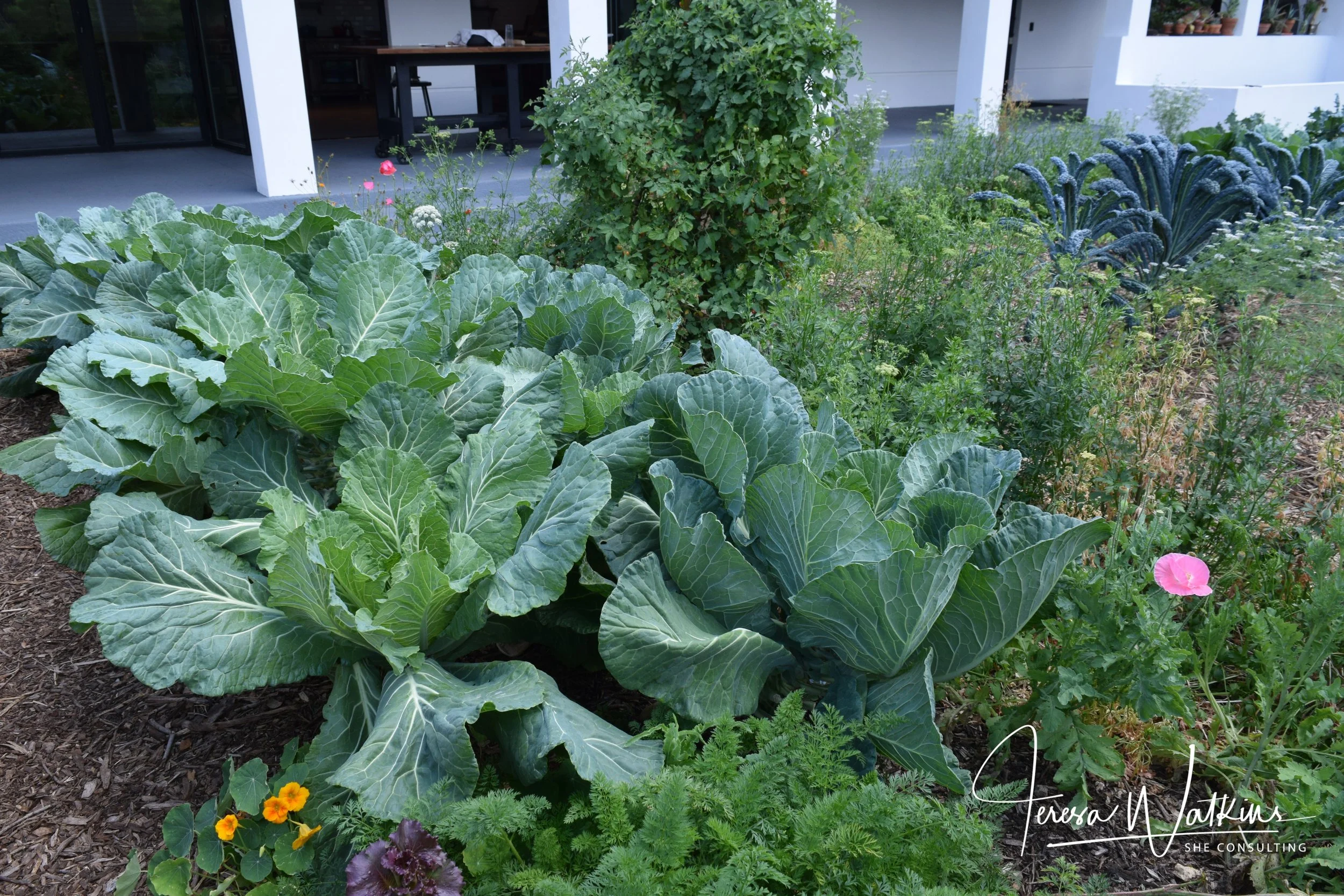
What to do in your Backyard in April

April Calendar 2026

Average temperature: High 83 Low 60

Rainfall average: 2.42 inches

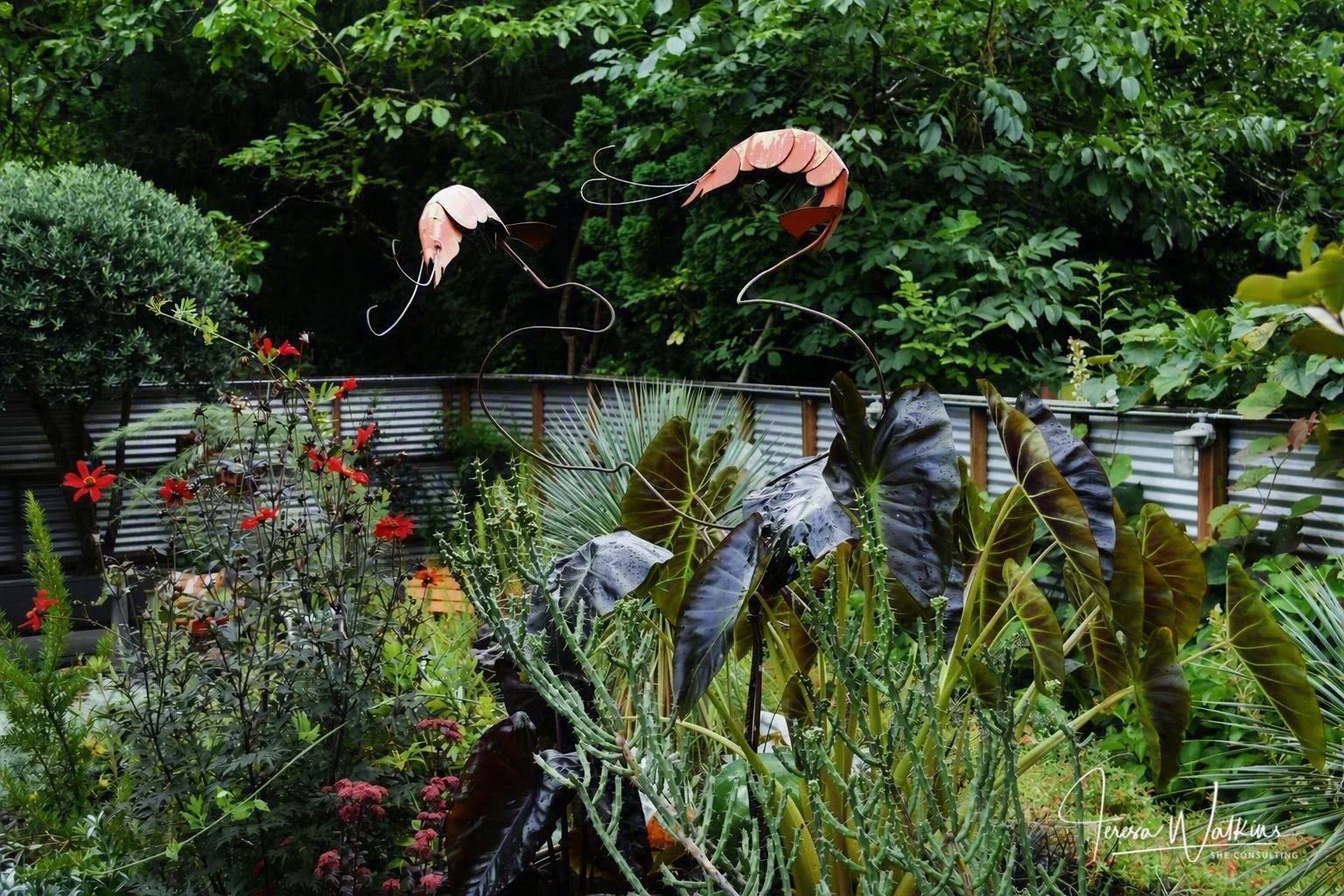
 April is the month to celebrate National Gardening Month! Gardening is a wonderful way to exercise, breathe in fresh air, and get some sun. Celebrate your landscape, garden, or raised bed by trying a new plant, adding flowers, or a memento or a piece of art.

 What can you plant?

 Vegetables: Calabaza, cantaloupe, cassava, chayote, cherry and Everglades tomato, cucumber, dasheen, eggplant, Jerusalem artichoke, jicama, Korean spinach, lima bean, Malabar spinach, malanga, New Zealand spinach, okra, pepper, roselle, Seminole pumpkin, snap beans, squash, Southern pea, sweet potato, tamarillo, yam and yard-long bean.

 Flowers: African daisy, ageratum, aster, bacopa, balsam, begonia, black-eyed Susan, blue daze, browallia, bush daisy, cat's whiskers, celosia, cleome, coleus, coreopsis, cosmos, crossandra, Dahlberg daisy, diascia, gazania, gaillardia, gerbera, goldenrod, impatiens, Joseph's coat, lantana, licorice plant, lisianthus,  marigold, melampodium, Mexican sunflower, million bells, moon flower, nicotiana, nierembergia, pentas, periwinkle, porterweed, portulaca, purslane, salvia, sunflower, torenia and zinnia.

Bulbs: Asiatic lilies, achimenes, African iris, agapanthus, amaryllis, Amazon lily, blackberry lily, blood lily, bulbine, caladium, canna, crinum, dahlia, eucharis lily, gingers, gladioli, gloriosa lily, society garlic, tuberous begonias, and rain lily.

 Herbs: Anise, basil, bay laurel, borage, cardamom, chives, coriander, dill, borage, edible ginger, lemon balm, oregano, Mexican tarragon, mint, oregano, rosemary, sage, savory, sweet marjoram and thyme.

Lawn care

  • Although lawns experienced stress due to the extreme cold winter temperatures, most should be undergoing recovery.

  • Remove dead grass to reduce thatch accumulation.

  • Patches of dead or recovering weeds are easily found and should be replaced with sod or plugs of grass.

  • Complete feeding of Bahia, Bermuda and St. Augustine lawns to encourage spring growth. Never apply fertilizer before a rain event.

  • Delay feeding centipede and zoysia lawns until they begin new growth.

  • Apply weed killer separately from fertilizer applications.

  • Weed killers should only be applied in temperatures lower than 85⁰.

  • Get a soil test before applying fertilizer to know what nutrients are needed.

  • Yellowing lawns can often be regreened with an iron-only application.

  • Check the soil acidity of all home lawns; adjust the pH if needed.

  • Mow zoysia lawns to the desired 2- to 3-inch height.

  • Starter fertilizers can be used with new lawns to supply phosphorus for root growth.

  • Chinch bug controls are often needed in the Spring for St. Augustine lawns.

  • To test for chinch bugs, use a hand vacuum to the outside of a dead area to check for insects. Count the chinch bugs, if less than 10 bugs, keep eye on area. If more than 10, apply pesticide to the green portions of lawn.

  • Mole crickets are back in Bahia, Bermuda and zoysia lawns; control as needed. 

  • Spring is our normal dry season; water when lawns begin to show moisture stress as permitted. Never irrigate more than 2x a week.

  • Adjust sprinklers to avoid sidewalks and roadways and water only the turf.

  • Apply up to three-quarters of an inch of water at each irrigation.

  • Change the oil and service air filters of gas-powered equipment.

  • Sharpen mower blades when the cutting edges begin to dull.

  • Edge lawns growing along sidewalks.

  • Aerate older lawns and remove thatch if needed. Lawns less than 2 years old rarely need dethatching.

    “Remember thatch is caused by overwatering and overfertilizing.”

  • Don’t fight the shade; consider another ground cover for these problem spots.


Landscape chores

  • Walk yards on a weekly basis to inspect shrubs and trees to catch problems early.

  • Prune shrubs this month before new shoots form.

  • Many plants that suffered damage in winter should be showing new growth by now. 

  • Prune the dead from declining plants several inches above a node into healthy wood.

  • Remove branches that cross other limbs or are growing too close.

  • Prune spring flowering trees and shrubs after the blossoms fade.

  • Keep palms healthy; only remove the brown fronds plus fruiting stems as needed.

  • Rake and use leaves as mulch or compost them for later use in gardens.

  • Keep weeds under control by removing them weekly.

  • Plant a tree on National Arbor Day April 24th.

  • Remove declining cool season annuals and add spring warm weather selections.

  • Make sure the root balls of all plant are moist at planting time.

  • Create tree rings with berms at the edge of root balls of new trees and shrubs to direct water to the roots.

  • To encourage growth, give poinsettias a spring trimming; repot new ones or add them to the landscape.

  • Maintain 2- to 3-inch mulch layers with trees and shrubs.

  • Water annuals and perennials when the soil begins to dry or they show signs of wilting.

  • Use slow-release fertilizers that will feed landscape plants for months.

  • Palms need specific nutrients; use 8-2-12-4Mg (UF/IFAS) fertilizers made for palms every 3 to 4 months.

  • Inspect older trees and trim as needed before the hurricane season begins.

  • Be safe; have arborist do the pruning of larger and older trees.

  • Trim old flower stalks from amaryllis, amazon lilies and other spring flowering plants.

  • Water new plantings as needed to keep the soil moist.

  • Divide your perennials this month, ideally before the hottest weather sets in.

  • Train vines to a trellis or arbor.

  • Create a resource for wildlife and pollinators, add a water feature to the landscape, clean established ones.

  • Transplant and feed water lilies and bog plants.


Fruit & vegetable plantings

  • Hurry to plant tomatoes, peppers and eggplants transplants (not seeds) in the garden.

  • Select larger transplants for this time of the year.

  • Remove cool season crops completing their harvests and add the seeded crops.

  • Cut back tropical fruit trees damaged by winter freeze but still alive.

  • Many bananas were damaged by the cooler weather; remove declining portions.

  • Tropicals should be coming back from winter freezes, if not, throw away.

  • Citrus greening has become a devastating problem; remove severely affected trees.

  • Control citrus psyllids by spraying Neem85 at each flush of growth; use sprays or soil treatments according to label.

  • Apply Southern Ag minor nutrient spray to citrus trees at each flush of growth.

  • Finish granular spring feedings of all fruit trees.

  • Start sweet potatoes to have transplants for May.

  • Plant tropical vegetables that won’t mind the summer heat and humidity.

  • Complete herb plantings before hot weather arrives; many will grow easily in bright shade in summer.

  • Feed vegetable plantings lightly every 3 to 4 weeks or use a slow-release fertilizer as labeled.

  • Help maintain a moist soil with a 2- to 3-inch mulch layer with all but citrus.

  • Add edible fruit bearing trees, shrubs and vines to the landscape.

  • Blueberries need very acidic soil with 4.5 to 5.5 pH; check soil pH before planting.

  • Grow blueberries in pine bark fines in planting holes or in containers.

  • Transplant papaya seedlings to the landscape, keep moist and feed monthly.


Foliage & Indoor plants

  • Provide indoor foliage plants with a filtered sun location outdoors to encourage new growth.   

  • Groom to reshape and remove declining portions.

  • Trim overgrown stems of foliage plants to make cuttings.

  • Rootbound foliage plants that have been in their containers for years will benefit from taking them out of their pots, cutting a third of the roots off, add new soil and replant in same container.

  • Trim Christmas and holiday cactus if needed to keep compact; root the cuttings.

  • Give foliage plants a spring feeding with a slow-release fertilizer.

  • Add a saucer to plants on patios to capture and conserve water for use.

  • Transplant amaryllis that flowered during the winter to the garden or grow in containers.

  • Wash away dust and insects from leaves and stems.

  • Insects like scale, mealy bugs & thrips may need an insecticidal soap or oil spray for control.

  • Your orchid blooms can easily be propagated after blooming to produce new plants. Fabulous Instagram video show how easily it can be done.

  • Move orchids & bromeliads outdoors to a shady location.

  • Repot orchids & bromeliads when they begin spring growth as needed and begin feedings.

  • Visit independent garden centers to see Spring 2026 new varieties to purchase.

  • Most forced bulbs cannot be regrown in Florida; toss the plants and keep the containers.

  • Consider using foliage plants for shady landscape sites instead of turf.

What to Do In Your Backyard in November

 Average temperature: High 79 Low 59 

 Rainfall: 2.32 inches

 November Plantings

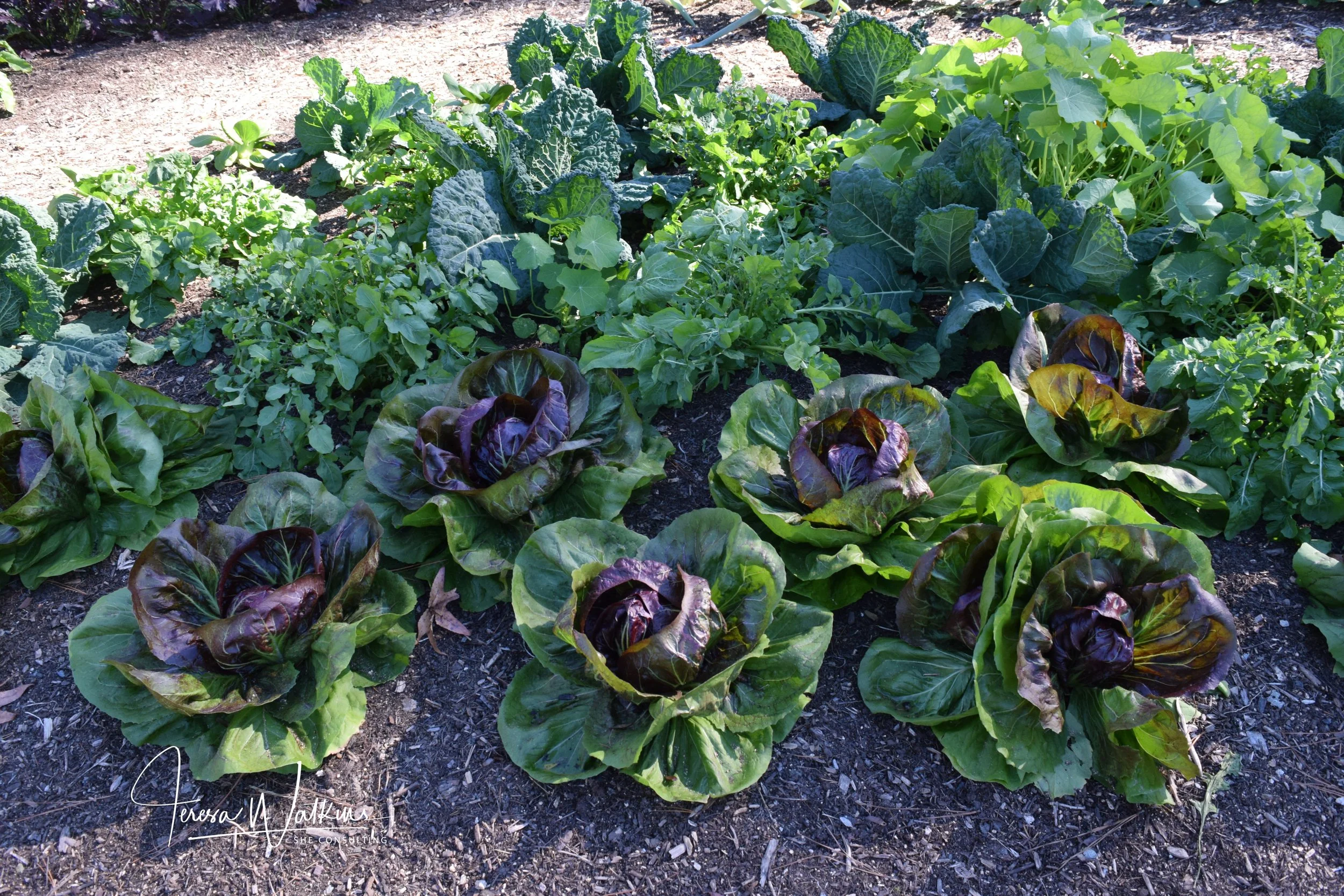
Vegetables: Beet, broccoli, Brussels sprouts, cabbage, carrot, cauliflower, celery, Chinese cabbage, collard, endive, kale, kohlrabi, lettuce, mustard, onion, pea, radicchio, radish, rhubarb, rutabaga, spinach, Swiss chard and turnip.

Flowers: Ageratum, alyssum, baby's breath, black-eyed Susan, bush daisy, calendula, California poppy, candy tuff, carnation, cat's whiskers, chrysanthemum, cleome, cornflower, delphinium, dianthus, Drift roses, dusty miller, foxglove, gaillardia, geranium, goldenrod, heliotrope, hollyhocks, Iceland poppy, impatiens, larkspur, lobelia, ornamental cabbage & kale, pansy, petunia, phlox, salvia, Shasta daisy, snapdragon, stock, sweet pea, verbena, viola and wax begonias.

Herbs: anise, arugula, basil, borage, chive, cardamon, chervil, cilantro, coriander, dill, fennel, garlic, ginger, lavender, lemon balm, lovage, Mexican tarragon, mint, nasturtium, oregano, parsley, rosemary, sage, sweet marjoram, thyme and watercress.

Bulbs: African iris, amaryllis, anemone, bulbine, crinum, day lily, rain lily, ranunculus, society garlic, spider lily and narcissus; refrigerate Dutch iris, tulips, daffodils, hyacinths and similar bulbs needing a cold treatment before flowering.

 Lawn Care

  •  Fall is a good time to sod or plug problem areas in lawns; delay Bahia seeding until spring.

  • Sow winter ryegrass seed at end of November.

  • Complete fall feedings with a low phosphorus fertilizer during early November.

  • Lawns can dry quickly during the warmer days of November; water as permitted.

  • Set irrigation times to once a week when Daylight Savings Time on Nov 2nd.

  • Water lawns separately from trees and shrubs that need less moisture.

  • Repair and adjust sprinklers to water efficiently

  • Chinch bug and caterpillar control may still be needed during warm fall weather.

  • Have lawn soil tested by the University of Florida lab before fertilizing.

  • Brown patch disease can be severe in zoysia; treat this month or when first noted.

  • Apply herbicides for your lawn type if needed for broadleaf and sedge weed control.

  • Continue mowing at normal heights.

  • Aerate hard to wet, compacted and nematode infected soils.

  • Remove and compost fallen leaves.

  • Fill in shady problem spots with ornamental ground covers.

Vegetable & Fruit Tree Care

  •  Fall rains and heat have damaged many plants; continue good care to obtain a harvest.

  • Remove declining crops and plant the cool season vegetables

  • Herbs like cooler weather; begin new plantings and revive older ones.

  • Start seeds of broccoli, cauliflower, collards, onions and produce transplants.

  • Cool season vegetables can be added to the garden until February.

  • Add a few vegetable plants to the garden each month to have a continual supply.

  • Tomato and pepper planting time is over until spring.

  • The dry season is here; water when the surface soil begins to dry to the touch.

  • Improve sandy soils with garden soil, compost, peat moss and composted manure.

  • Feed the garden every 3 to 4 weeks with composted manure or a general garden fertilizer.

  • Stake or trellis taller growing crops to prevent wind damage and pests.

  • Maintain 3” of mulch between plants and rows to conserve water and control weeds.

  • Caterpillars have been feeding in the garden; hand pick or use natural controls.

  • Build raised beds to better contain plantings and make their care easier.

  • Give bananas and pineapples a final fall feeding with a general garden fertilizer.

  • Many early citrus are ready to harvest; use the taste test to tell when they are ripe.

  • Feeding time for citrus and other fruit trees is over.

  • Water citrus trees once or twice each week during dry times.

  • Add new citrus or other fruiting trees to the landscape.

  • Sow papaya seeds to over winter in containers.

  • Delay all fruit tree pruning until late January or February.

 Landscape Chores

  •  Renew mulches to help conserve water during the drier months ahead.

  • Most shrub pruning should be completed this month to allow new growth to mature before winter.

  • Only remove declining fronds and flower or fruiting stalks from palms to maintain vigor.

  • Palm diseases may be spread by pruners; disinfect at least between palms. 

  • Remove declining warm season flowers and replace them with the cool season flowers.

  • Work organic matter into flower beds and replace soil in planters before planting.

  • Slow-release fertilizers are best way to feed flower beds and containers.

  • Extend chrysanthemum life; remove faded flowers, keep the soil moist and feed lightly.

  • Make sure poinsettias receive no nighttime light; keep the soil moist and feed monthly.

  • Established trees and shrubs need infrequent watering; moisten only during dry times.

  • Flower beds need watering when the surface soil begins to dry to the touch.

  • Scale insects have been heavy this year on shrubs and foliage plants; use Neem oil spray.

  • Leaf spots and die-back are normal on many trees and perennials as they prepare for winter.

  • Cooler months provide the ideal time to move small trees and shrubs in the landscape.

  • Check braces and supports added to new trees, palms and shrubs.

  • Hurricane season ends November 30; select small sturdy trees for new plantings

  • Remove limbs and weeds interfering with sprinklers.

  • Complete all tree, palm and shrub feedings by mid-month.                    

  • Collect and refrigerate favorite flower seeds in plastic bags and store them in the refrigerator.

  • Hurry to create wildflower plantings that won’t flower until spring.

  • Reduce feedings of orchids and bromeliads in the landscape as the weather cools.

  • Divide perennials and bulbs

  • Create compost piles to recycle yard waste.

  • Be prepared to cover or move cold sensitive plants to a warm location.

  • Fill hard to mow and problem areas with shrubs and ground covers.

  • Clean birdbaths and prepare feeders for winter.

  • Reduce feedings of water garden plantings

 House and Foliage Plant Care

  •  Plant chilled narcissus and amaryllis bulbs in containers to begin growth for holiday blooms.

  • Remember, prevent any nighttime light for holiday plants until they begin to bloom.

  • Water holiday cactus and kalanchoe when the soil dries to the touch; keep poinsettias moist.

  • Wash away dust and plant pests with a soapy water solution

  • Check and treat outdoor plants for insects before bringing them indoors.

  • Discontinue or reduce foliage plant feedings to every other month.

  • Begin bringing cold sensitive foliage plants indoors.

What To Do in Your Landscape for September

By Teresa Watkins

September 2024

 Average temperatures High 90 Low 72

Average rainfall 5.76 inches

Autumn arrives September 22nd, 2024

  September Plantings

 Vegetables: Early plantings include lima bean, snap bean, corn, cucumber, eggplant, pepper, southern pea, rhubarb, squash, and tomato; End of the month crops include arugula, broccoli, Brussel sprouts, cabbage, celery, collard, endive, lettuce, mustard, onion, radish, strawberry, and turnip.

 Flowers: Agapanthus, ageratum, angelonia, begonia, blue daze, butterfly weed, buttonbush, cat's whiskers, celosia, cleome, coleus, coreopsis, cosmos, firebush, garden mums, gaura, gazania, gerbera, goldenrod, gomphrena, heliotrope, impatiens, Jacobina, lantana, marigold, melampodium, New Guinea impatiens, nicotiana, pentas, periwinkle, plumbago, roses, salvia, sunflower, sweet alyssum, thyrallis, torenia, Turk’s cap, verbena, and zinnia.

 Herbs: Anise, basil, bay laurel, borage, chives, coriander, dill, lemon balm, lavender, Mexican tarragon, mint, parsley, rosemary, sage, sweet fennel, sweet marjoram, and thyme.

 Bulbs: African iris, agapanthus, amaryllis, blackberry lily, bulbine, calla lily, crinum, crocosmia, day lily, gladiolus, kaffir lily, narcissus, society garlic, spider lily, rain lilies and walking iris. Look for and purchase cool-season bulbs for refrigeration, including crocus, daffodils, crocus, hyacinths, muscari, and tulips.

 Fruit and Vegetable Care

 ·       Get a soil test of garden every year to find out what fertilizer nutrients to apply.

·       Clean used containers before planting.

·       Give large growing plants big containers to have room for good root growth.

·       Keep container-grown tomatoes uniformly moist to avoid blossom-end rot.

·       New to gardening? Start a garden journal and list names of seeds, the varieties, date planted, days to harvest, temperatures, and any weather conditions that might affect growth, i.e., extreme heat, lack of rain, storms.

·       Add vegetables and herbs to containers for patio and balcony gardens. 

·       All vegetables like a sunny site with at least 6 – 8 hours; leafy crops can often grow in filtered sun.

·       Remember the sun dips south Fall through Winter so note sites that may become shady.

·       Last year’s gardens may need an additional layer of organic compost or manure, like Black Kow.

·       Remove plastic covers from solarization treatments and plant without tilling.

·       Where nematodes are a problem, dig a large hole and fill it with organic amendments or potting soil before planting.

·       Keep new plantings and seedlings moist; water older plantings when the soil begins to dry.

·       Apply a first feeding two weeks after adding transplants or seed germination.

·       Continue with monthly feedings for in-ground plantings, every other week for containers.

·       Use slow-release fertilizer which may be the only feeding needed.

·       Add flowering plants to gardens to invite pollinators to visit.

·       Set tomatoes in the ground or in containers early and start training to a trellis.

·       Provide support for tomatoes, peppers, cucumbers, and others from vegetables above.

·       Rejuvenate older herb gardens in late September by adding fresh plantings.

·       Check the garden daily to determine soil moisture of ground and check for pests.

·       Harvest herbs to encourage continued growth. .

·       Use mulches to conserve water, control weeds and keep soil off leafy crops.

·       Remove side shoots/pups to root from pineapple plants and increase your plantings.

·       Start seedlings of Fall cool season crops later in the month.

·       Begin citrus and avocado tree feedings toward the end of the month. For more specific information on fertilizing different size citrus trees: https://edis.ifas.ufl.edu/publication/HS132

 Lawn Care

 ·       Get soil test analysis of turf areas before fertilizing.

·       If your lawn is susceptible to fungus and you have had excessive rains during past storms, apply a preventative fungicide according to the label.

·       Where grass won’t grow because of too much shade, consider use of an ornamental ground cover, like ajuga, Asiatic jasmine, ferns, liriope, mondo grass, or pachysandra,

·       Lawns with aggressive weeds need attention; dig out, resod or spot treat with herbicides, but if temperatures average above 85 degrees, wait until October to use an herbicide.

·       Most local ordinances restrict fertilization until October 1st.

·       To green up lawns, use an iron-only or minor nutrient application until October.

·       Once weeds or pest issues are taken care of, patch pest-damaged or weed areas with new sod, plugs, or seed.

·       Complete seeding of Bahia turf in early September.

·       Lawn caterpillars and chinch bugs can continue in to Fall; control when noted.

·       Several products are now available for nematode control by lawn care companies.

·       Fire ants are frequently found in lawns; spot treat mounds with bait, then treat the entire lawn.

·       Aerate hard to wet or compacted soils.

·       Continue mowings at recommended heights

·       Change mowing patterns on regular basis, overlapping rows so mower doesn’t create ruts.

·       Service lawn care equipment to have it ready for Fall.

 In the Landscape

 ·       Keep eye on trees and shrubs that may have been affected by the drought in Spring and Summer. Decline from 2024 drought may be an issue for next few years.

·       Make sure any shrubs and trees leaning from storm winds are straightened as soon as possible.

·       Note plant decline in landscapes, from excessive gutter drainage. Bury gutter and extend out into yard to prevent displacement of soil and mulch.

·       Prune away dead or declining plant portions affected by Summer weather or pests.

·       Weeds are plentiful; remove them before they flower and disperse seeds.

·       Renew mulches with only a light topping to keep 3” – 4” of mulch.

·       Clean and sharpen pruning equipment to make trimming easy with minimal plant damage.

·       Prune declining brown fronds only and flower stems from palms but leave the green fronds.

·       Sterilize pruners between plants when trimming palms with possible diseases.

·       Many plants have grown out of bounds; now is the time to do needed pruning.

·       Give poinsettias and hydrangeas a final pruning.

·       Check roses that have dead or declining stems and old flowers that need to be removed.

·       Expect caladiums and some ginger to start to decline and go dormant until Spring.

·       Replant declining flowers with warm season selections; delay planting the cool season types until end of November.

·       Avoid planting palms with prevalent disease problems.

·       Scale insects, mealy bugs and aphids have been active; control as needed.

·       Sooty mold grows on the excreta of insects; control both with a horticultural oil spray.

·       Check container plantings for plugged drainage holes; repot as needed.

·       Chrysanthemums make attractive Fall flowers, but they only last a few weeks in the heat.

·       Divide perennials and replant in the garden.

·       Now is the time to ensure poinsettias have 12 hours of complete darkness every night to encourage blooming in time for Christmas.

·       Plan for cool weather bulbs, i.e., tulips, hyacinth, daffodils, etc. and refrigerate bulbs for 16 weeks so they can be planted in the landscape two to three weeks ahead of when you would like them to bloom.

·       Add new trees, shrubs, and palms.

·       Feed palms with a slow-release fertilizer three to four times a year.

·       Begin late September shrub and perennial feedings for Fall where permitted.

·       Feed hanging baskets and orchids every other week.

·       Remove declining leaves and flowers from water lilies; give a monthly feeding.

 Houseplant Care

 ·       There is still time to revive foliage plants by moving them outdoors to a shady site.

·       Indoor orchids and bromeliads make good outdoor additions when they begin to decline.

·       Groom foliage plants growing outdoors for an improved appearance.

·       Control pests including scale, mealybugs, thrips and mites with natural sprays.

·       Gradually reduce feedings and watering of Christmas and holiday cactus.

·       Transplant foliage plants needing new containers before the cooler Fall weather.

·       Feed foliage plants monthly or use a slow-release fertilizer according to the label.

·       Replace declining plants with new selections for Fall.

·       Obtain amaryllis and paper white narcissus bulbs for Fall forcing.