Orange Eclectic Garden Inspiration

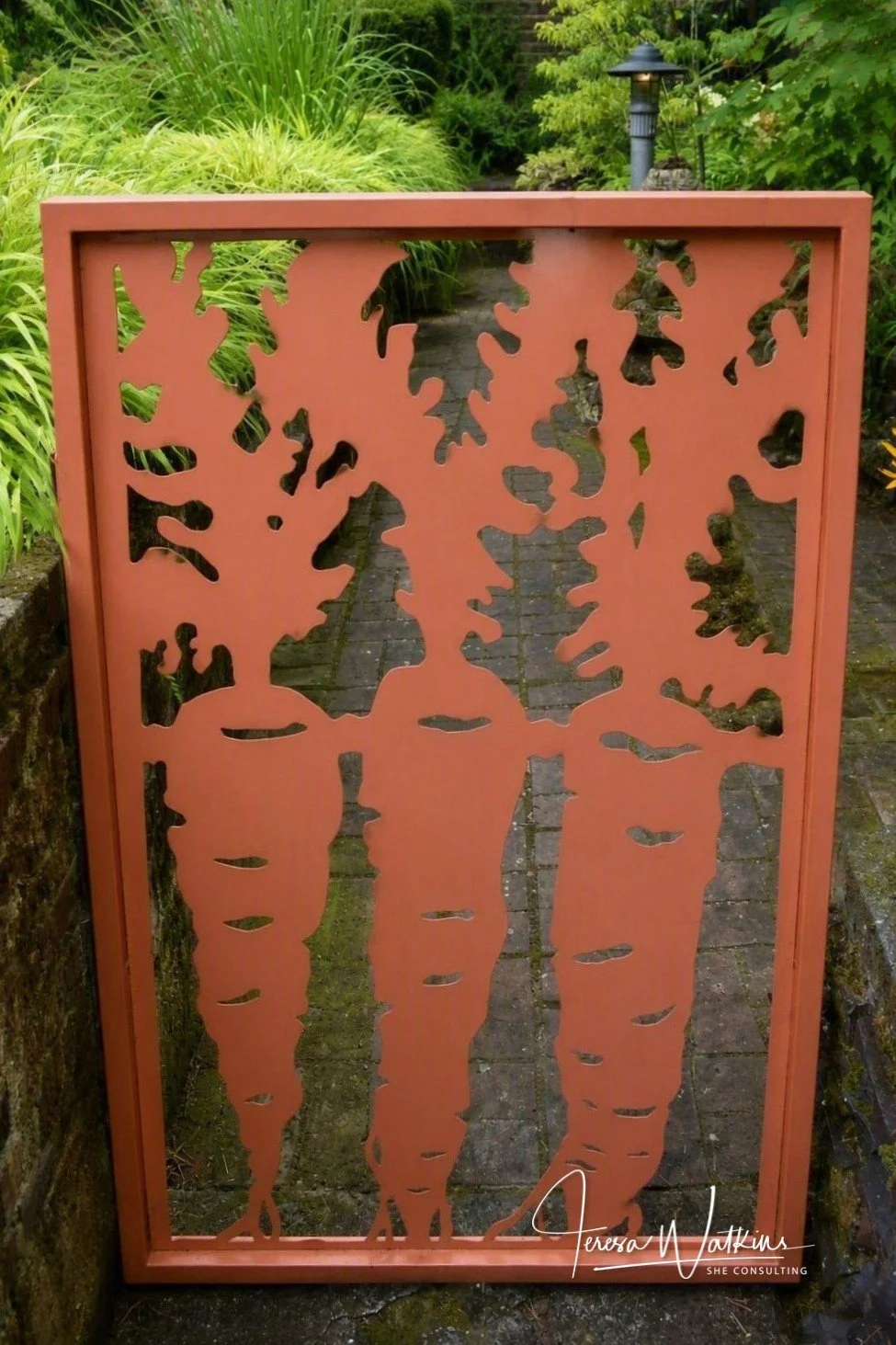
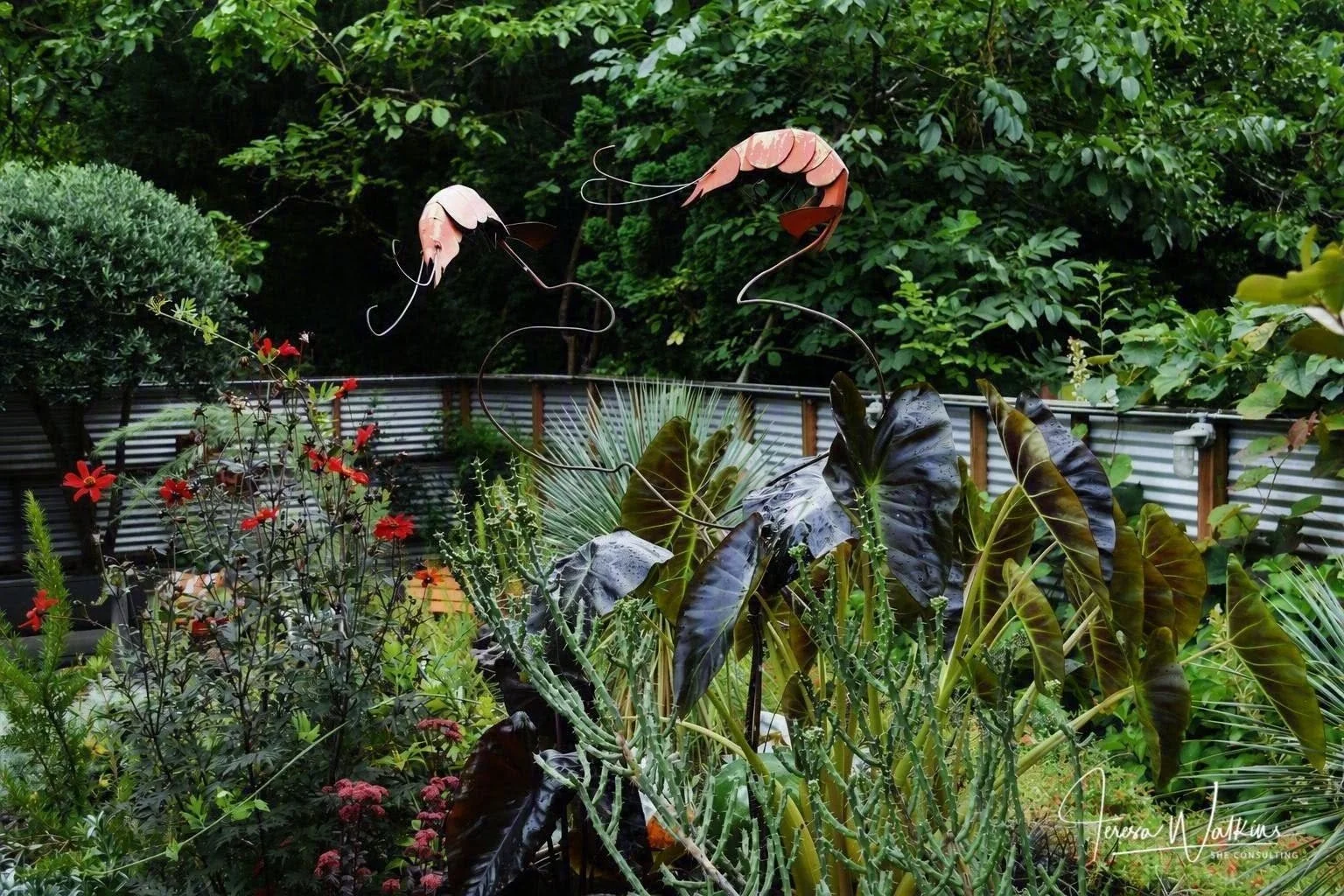
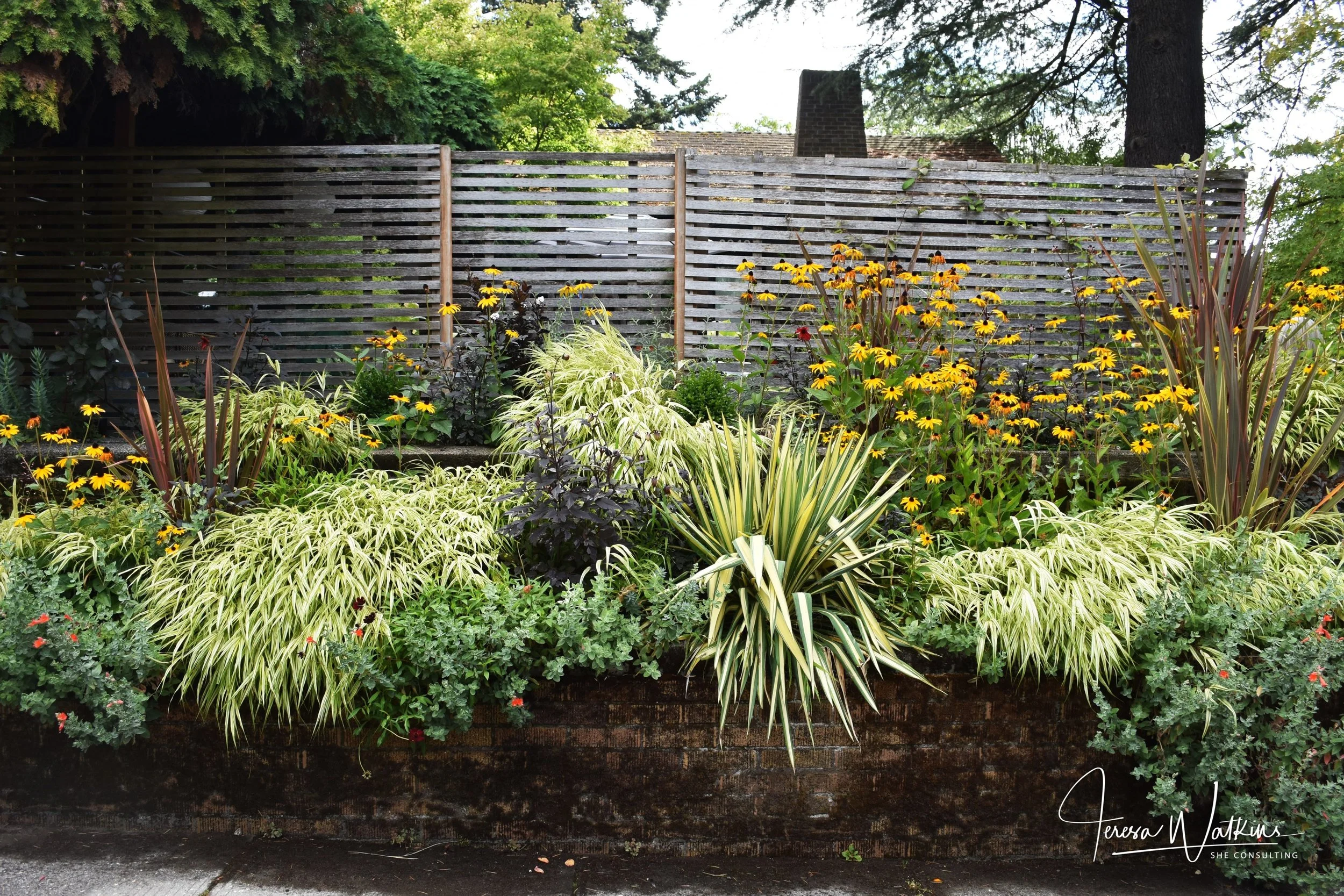
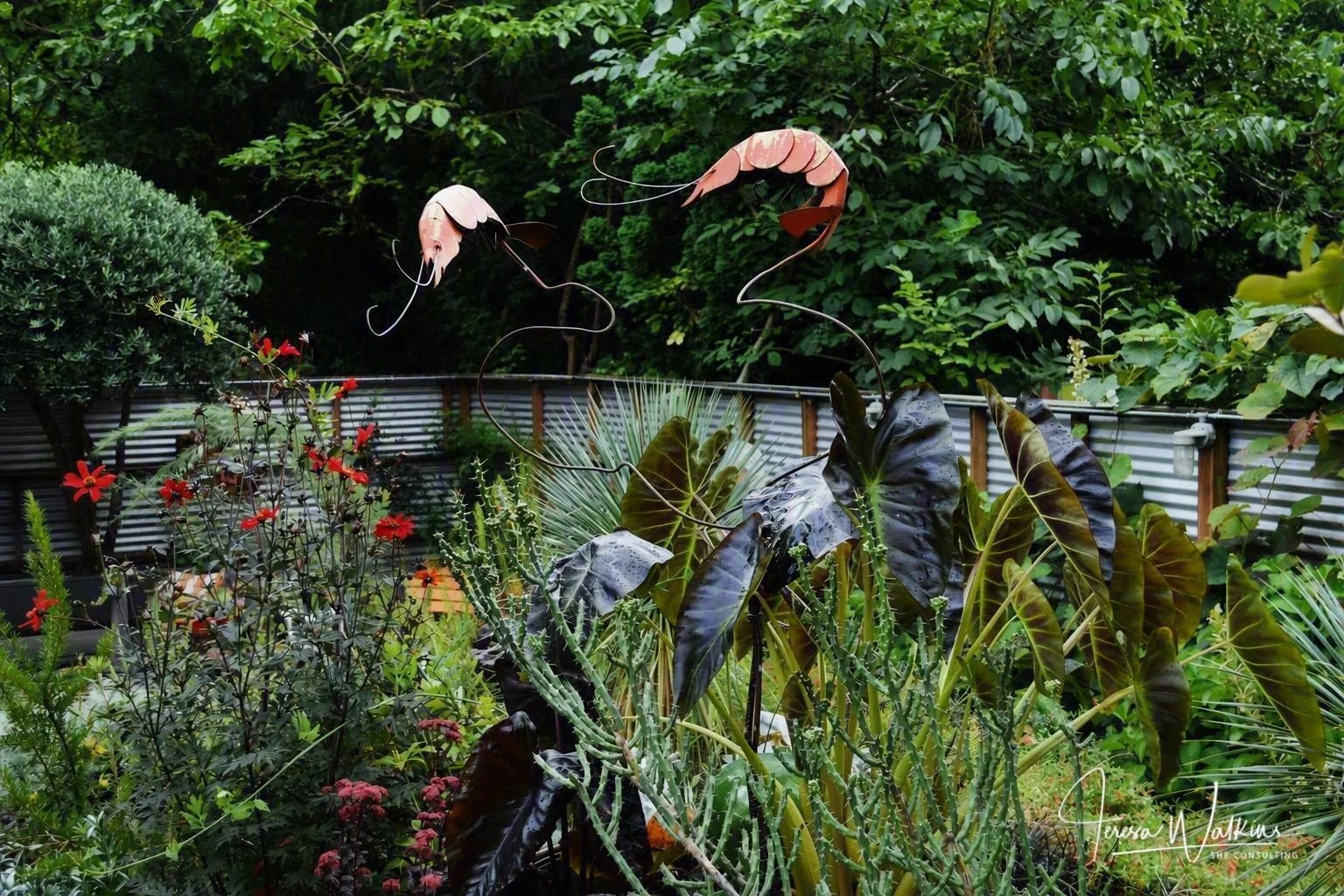
How inspiring can a private garden tour be? Step inside this stunning West Coast garden, that I've affectionately nicknamed "Orange Eclectic," and discover how bold, vibrant color can transform an ordinary sloped landscape into a breathtaking terraced outdoor retreat. From eye-catching plant combinations, and garden art on the ground and in the air, to creative design details, this garden showcases the power of color to bring energy, personality, and excitement to every corner of the landscape. See all of the Orange Eclectic Garden album on my Facebook page.

Ready for more garden inspiration? Explore the full lineup of Art in Bloom Garden Tours for 2027, featuring extraordinary private gardens, beautiful destinations, and unforgettable experiences. All tours are confirmed, and space is limited, so reserve your spot soon. https://www.artinbloomgardentours.com/2027-garden-tours

Treat Yourself To Afternoon Tea at King Charles III's home, Highgrove.

One of the exclusive highlights of our 2027 Chelsea Flower Show & Best of English Gardens tour is a memorable afternoon tea at King Charles III's Highgrove gardens, accompanied by an intimate guided visit through his renowned royal gardens. Experience the finest English hospitality, including exceptional dining at a Michelin Guide One-Star restaurant featuring modern British farm-to-table cuisine set within the stunning Elizabethan manor of Gravetye.

Discover some of England's most inspiring and celebrated gardens, including the historic Garden Museum, Great Dixter, Sissinghurst Castle Garden, Iford Manor Gardens, the charming cottage gardens of the Cotswolds, and the world-class RHS Wisley Gardens. This extraordinary journey combines royal elegance, horticultural excellence, and quintessential English charm. https://tinyurl.com/4t9u5e5e

Only a few spots left. Limited space is available for this exclusive garden experience.

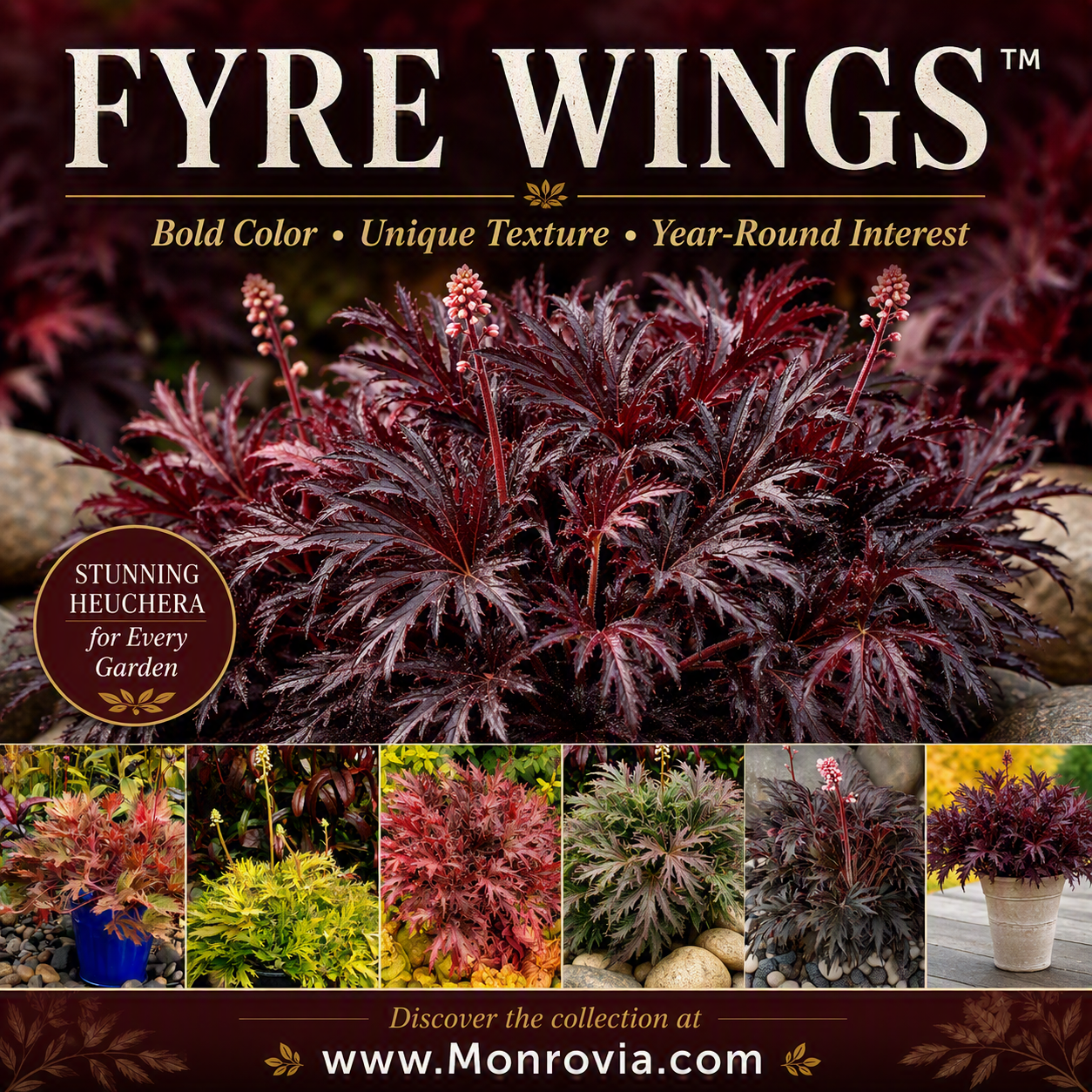
Fyre Wings™ Heuchera Delivers a Burst of Fall Color

Looking for vibrant foliage that shines when summer fades? Fyre Wings™ Heuchera from Terra Nova Nurseries lights up the garden with brilliant red foliage that intensifies as temperatures cool, providing outstanding fall and winter interest in many landscapes.

This compact perennial performs best in part shade, especially in Florida and other warm climates, where protection from intense afternoon sun helps maintain its vivid leaf color. Well-drained, organically enriched soil and consistent moisture will keep plants looking their best.

Beyond its stunning foliage, Fyre Wings™ produces delicate flower stalks that attract pollinators while adding seasonal charm. Whether used in mixed borders, woodland gardens, or decorative containers, this colorful coral bells selection brings months of dramatic color and texture to the landscape.

Garden Tip: Pair Fyre Wings™ with chartreuse, silver, or deep-green foliage plants to create striking autumn combinations that stand out long after many flowering plants have faded are great for container “fillers”.

You will find Fyre Wings™ at your local independent nurseries, box stores, and online at Monrovia, In The Country Garden & Gifts Online Store, and Plant Addicts.

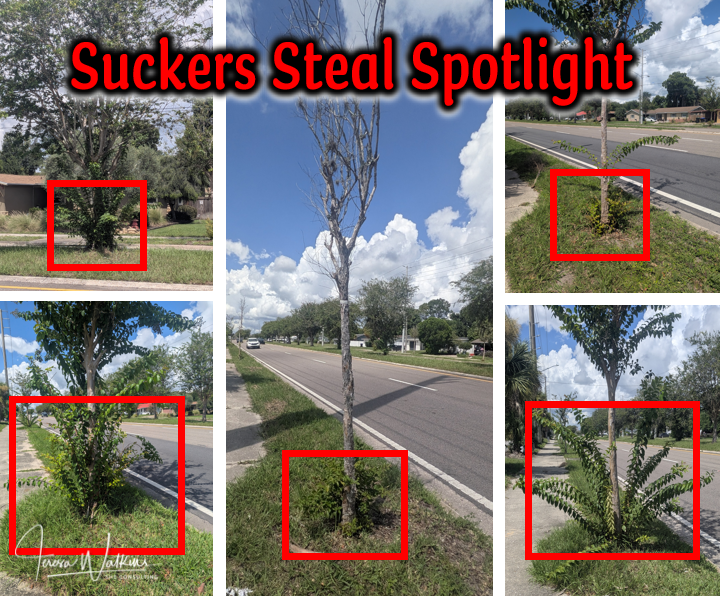
When cities and HOAs grow tired of maintaining landscaped medians, it shows. Crape myrtles, palms, Japanese blueberries, ornamental grasses, and other FDOT-recommended species selected for median plantings are valued for their adaptability and malleability[1], but they still require routine care. While these plants do not need the severe topping often referred to as "crape murder," they do benefit from seasonal pruning in both spring and fall.

Spring pruning should focus on removing crossing branches, limbs that restrict air circulation, and tender new growth that often develops as a result of improper pruning practices. By fall, these vigorous shoots have matured and begun developing into larger branches, requiring additional attention to maintain the plant's natural form.

Those vigorous shoots emerging from the base of a crape myrtle are called suckers. Although they may appear harmless, they can quickly alter the tree's graceful structure and divert energy away from flowering and canopy development. Suckers should be removed as soon as they appear by cutting them as close to their point of origin as possible.

Unfortunately, common maintenance practices often contribute to excessive sucker growth. Repeated injury from string trimmers or mowers around the base of a crape myrtle stimulates the plant to produce even more suckers. For this reason, weed whackers should never be used around the trunks of trees or shrubs. Mechanical damage not only encourages unwanted growth but can also create wounds that invite pests and disease.

For best results, inspect crape myrtles several times during the growing season, especially after pruning, storm damage, or periods of rapid growth. The easiest way to remove suckers is to catch them early. When the shoots are still soft and green, simply rub them off by hand. No tools are necessary, and early removal prevents them from developing into larger branches that require corrective pruning later.

Consistent sucker removal helps maintain the tree's attractive form, improves air circulation within the canopy, and creates a cleaner, more professional appearance. A healthy crape myrtle should showcase its distinctive bark and elegant branching structure, not a thicket of unwanted shoots surrounding its base.

Carefully designed and often expensive median landscapes can quickly become eyesores when routine maintenance is neglected. The lesson for cities, counties, and HOAs is simple: there is no such thing as a "no-maintenance" landscape. Every landscape requires ongoing care to preserve its beauty, safety, and long-term value.

[i] Malleability is the quality of plant material to easily recover after being damaged by vehicles, vandalism or similar causes.  Damaged trees will sprout from roots or stems to quickly restore their ornamental function.  Similarly, trees with high malleability can be more easily managed at a 100 mm or smaller caliper.  Stems are simply removed and replaced by sprouts which take the place of removed stems. Thus, a tree may be managed at a designated caliper diameter for a much longer time than one which cannot be so easily renewed. https://www.fdot.gov/   

Teresa’s note: The species are strong enough to slow down a colliding vehicle from entering the opposite-direction highway but able to give way for safety of humans and vehicles.
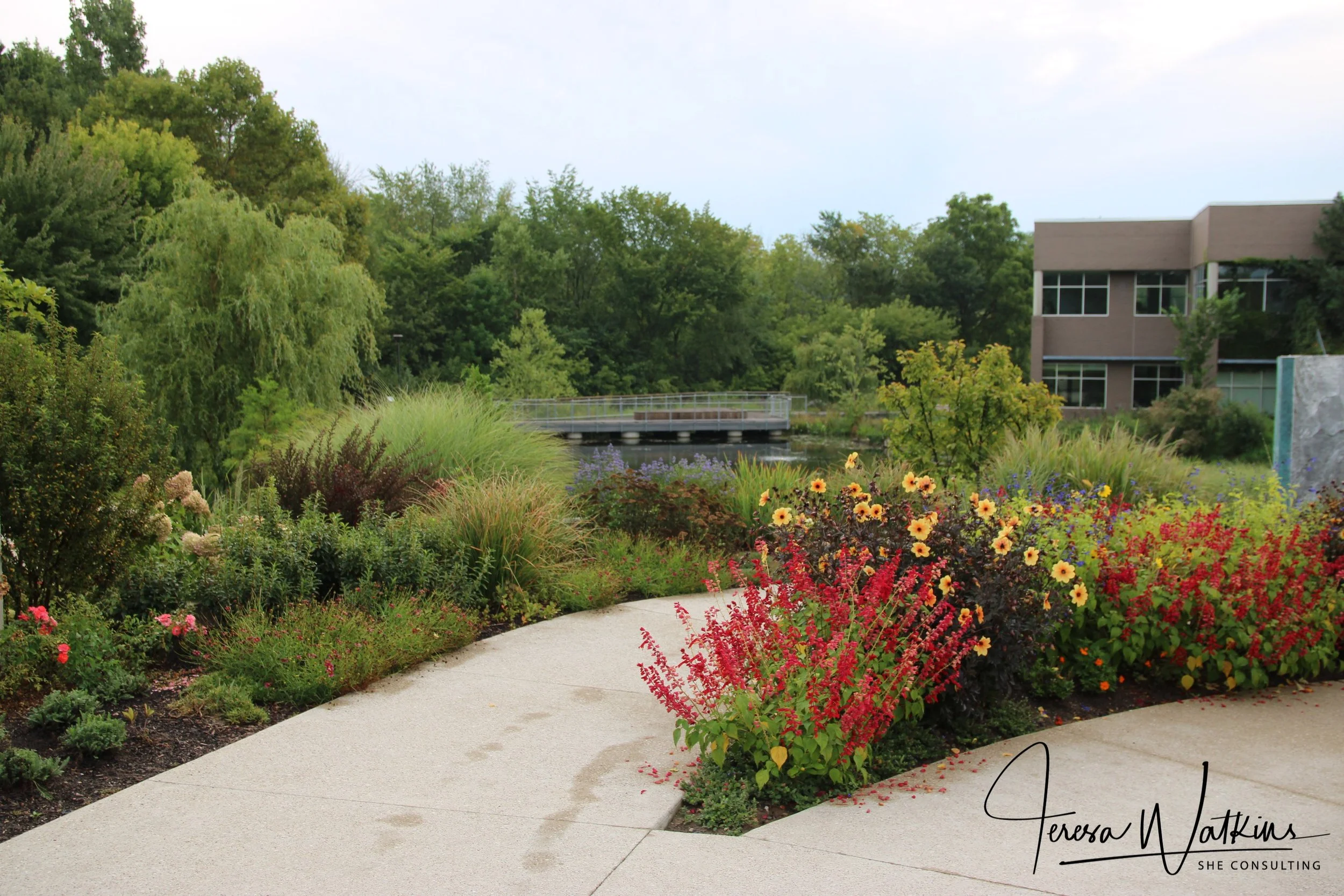
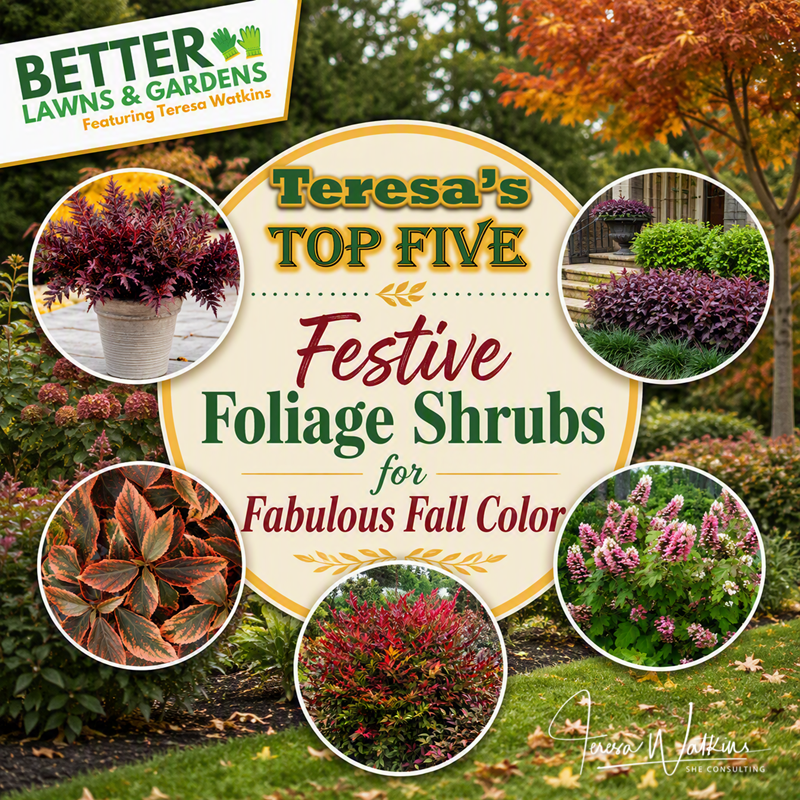
Despite living in Florida, the Sunshine State known for its tropical beauty, autumn remains my favorite season. Many people are surprised to learn that even in Florida, we can enjoy beautiful fall foliage that complements all the things we love about the season, from Halloween and Thanksgiving gatherings to pumpkin spice lattes and the cozy aroma of fireplaces and fire pits on crisp evenings. Discover these stunning plants that provide rich autumn colors for your landscapes and holiday containers. Good plants in Zones 7 through 10, all available at local nurseries or through online retailers.

5.  Nandina Heavenly Bamboo – Southern Living Collection.  Different types of nandina provide continuous color changes and unique foliage transitions. From vivid reds, burgundies, and blush pinks to complementary golden lime hues, these nandina plant varieties deliver dynamic color displays, ensuring your garden remains vibrant throughout every season but especially in Fall.  Obsession, vivid, bright red new growth that transitions beautifully to deep green, Flirt, Features deep red foliage with a compact growth habit, making it perfect for small garden spaces, container plantings, or as an eye-catching border.

4. Loropetalum – another fantastic Southern Living collection, with Red Diamond, midsize shrub 4’ – 6’, red blooms, Purple Daydream, dwarf, Purple Diamond, midsize, and Weeping Purple Pixie, 1’ – 2’ dwarf. Purple foliage, pink blooms.

3. Heuchera – Fyre Wing Dragon Collection, Amber, Jet, Rhodonite, Spinet, Hematite, with Foliage colors of Burgandy, Crimson, Wine, Honey and Fire.  Available through Plant Addicts.com

2. Oakleaf Hydrangea – Native flowering shrub, beautiful. Large oak-like leaves turn vivid red and burgundy in Fall.  You can also buy the new special collection from Proven Winners, Gatsby Gal, Gatsby Pink, and Gatsby Moon.  

1. Copperleaf Acalypha – medium to large shrubs, with striking, heart-shaped leaves that range from 4 to 8 inches long and display a variety of colors, including green, copper, crimson, pink, purple, yellow, and variegated patterns ‘Chocolate’ Tiki Island Sunrise, Louisiana Red, Independent nurseries like Quality Green Specialists, Petersons’ Nursery. Zones 9 - 11.

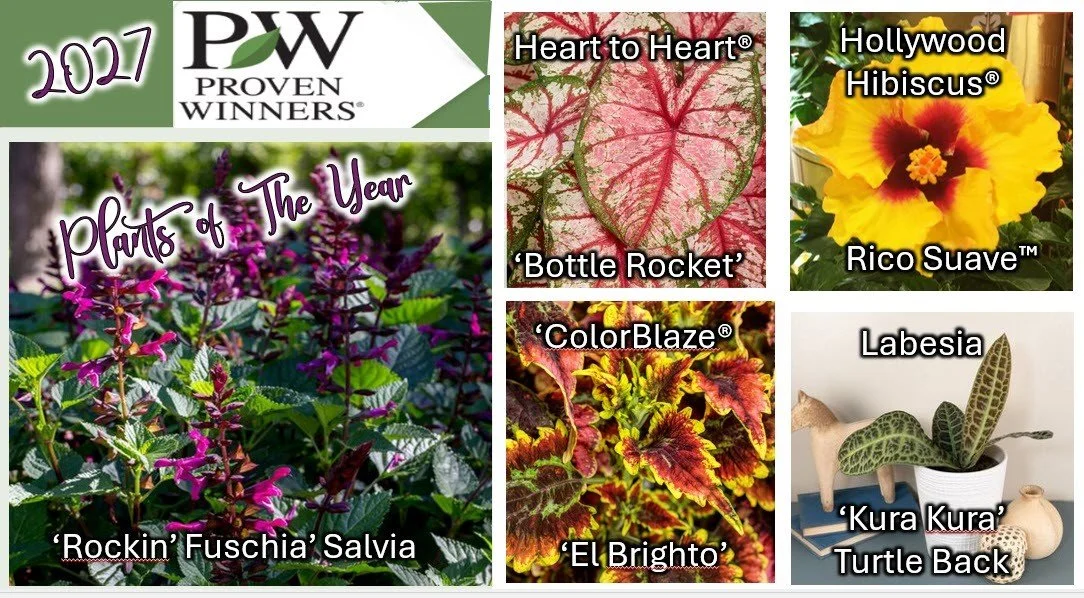
5. Labesia ‘Kura Kura’ – Houseplant of the Year – A rare tropical houseplant with glossy, turtle shell patterned leaves. This slow growing beauty thrives in warm, humid conditions and is ideal for terrariums or greenhouses. Height: 8-24". Container role: Thriller.

4. Hollywood Hibiscus® Rico Suave™ – Tropical Hibiscus One of my favorite landscape hibiscus varieties. Bright lemon yellow flowers with red and burgundy centers attract hummingbirds and provide nonstop summer color. Full sun. Size: 4’ x 5’. Container role: Thriller.

3.Coleus ‘ColorBlaze® El Brighto’ – Annual of the Year  Bold, eye-catching foliage showcases rich red and deep purple centers framed by vivid golden-yellow edges. Exceptionally heat tolerant and low maintenance, this colorful plant thrives in both sunny and shaded garden settings. Container role: Thriller.

2. Heart to Heart® ‘Bottle Rocket’ – Caladium of the Year Striking foliagr features brilliant red veins, creamy white centers, and rich green margins, creating a dramatic display in the garden or indoors. This versatile plant thrives in both sun and shade and also performs beautifully as a bright-light houseplant. Container role: Thriller.

1.  Rockin'® Fuchsia Salvia - Landscape Annual of the Year.  Brilliant fuchsia flowers accented by dramatic black calyces cover these tough, easy-care plants. This unique coloring represents a remarkable breakthrough in salvia breeding. Beloved by hummingbirds, butterflies, and bees, it is a must-have addition to any pollinator-friendly landscape. Continuous Bloom, Heat and drought Tolerant, Deadheading not necessary, Drought  Container: Filler, Thriller.

Find out more information on Proven Winners website.

 5. Labesia ‘Kura Kura’ – Houseplant of the Year – A  rare tropical houseplant with glossy, turtle shell patterned leaves. This slow growing beauty thrives in warm, humid conditions and is ideal for terrariums or greenhouses. Height: 8-24". Container role: Thriller.

4. Hollywood Hibiscus® Rico Suave™ – Tropical Hibiscus One of my favorite landscape hibiscus varieties. Bright lemon yellow flowers with red and burgundy centers attract hummingbirds and provide nonstop summer color. Full sun. Size: 4’ x 5’. Container role: Thriller.

3.Coleus ‘ColorBlaze® El Brighto’ – Annual of the Year  Bold, eye-catching foliage showcases rich red and deep purple centers framed by vivid golden-yellow edges. Exceptionally heat tolerant and low maintenance, this colorful plant thrives in both sunny and shaded garden settings. Container role: Thriller.

2. Heart to Heart® ‘Bottle Rocket’ – Caladium of the Year Striking foliagr features brilliant red veins, creamy white centers, and rich green margins, creating a dramatic display in the garden or indoors. This versatile plant thrives in both sun and shade and also performs beautifully as a bright-light houseplant. Container role: Thriller.

1. Rockin'® Fuchsia Salvia - Landscape Annual of the Year.  Brilliant fuchsia flowers accented by dramatic black calyces cover these tough, easy-care plants. This unique coloring represents a remarkable breakthrough in salvia breeding. Beloved by hummingbirds, butterflies, and bees, it is a must-have addition to any pollinator-friendly landscape. Continuous Bloom or Rebloomer Heat and Drought Tolerant No deadheading Not Necessary, Drought  Container: Filler, Thriller.

See all the plants at 2027 National Plants & Recipes of the Year

What To Do in Your Backyard in September

Lawn Care

  • Lawns often thin in shady areas but typically recover during the fall through spring growing season.

  • Begin sodding lightly shaded areas once drier weather returns.

  • Where turf struggles to grow, consider replacing it with an attractive ornamental groundcover.

  • Mushrooms in the lawn are often a sign of healthy soil activity and beneficial organisms. Removal is generally unnecessary unless children or pets may come into contact with them.

  • Lawns infested with aggressive weeds should be renovated by removing affected areas and resodding, or by spot-treating with appropriate herbicides.

  • Repair pest-damaged or weed-infested areas with sod, plugs, or seed.

  • Delay broad weed-control applications until the end of the month.

  • Wait until October to fertilize lawns.

  • If turf appears pale, an application of iron or minor nutrients may provide temporary greening until regular fertilization begins.

  • Fall fertilizer applications are typically made in late September or October.

  • Complete Bahia grass seeding by early September.

  • Monitor for lawn caterpillars and chinch bugs, which can remain active into fall.

  • Fire ants are common in lawns. Treat individual mounds first, then consider treating the entire lawn if necessary.

  • Test soil pH and adjust as recommended.

  • Aerate compacted soils or areas that are difficult to wet.

  • Nematode management products are increasingly available through professional lawn-care providers.

  • Continue mowing at recommended heights and periodically vary mowing patterns to reduce wear.

  • Service lawn equipment now to ensure it is ready for the fall season.

In the Landscape

  • Prune dead, damaged, or declining branches affected by freezes, drought, or pests.

  • Control weeds before they produce and disperse seed.

  • Refresh mulch layers in preparation for drier fall weather. In many areas, only a light topdressing is needed.

  • Many landscape plants have exceeded their intended space; now is a good time for corrective pruning.

  • Give poinsettias and hydrangeas their final seasonal pruning.

  • Remove dead stems and spent blooms from roses to encourage healthy growth.

  • Clean and sharpen pruning tools to ensure clean cuts and reduce plant damage.

  • Expect caladiums and some ginger species to decline and enter dormancy until spring.

  • Replace declining annual flowers with warm-season selections and postpone cool-season plantings until temperatures moderate.

  • Clean containers thoroughly and refresh potting soil before replanting.

  • Incorporate organic matter into sandy or previously planted sites to improve soil quality.

  • Remove declining palm fronds and flower stalks, but retain healthy green fronds.

  • Sterilize pruning tools between palms to help prevent disease spread.

  • Avoid planting palm species known to be susceptible to prevalent diseases.

  • Watch for scale insects, mealybugs, and aphids, and treat when necessary.

  • Sooty mold often develops on insect honeydew. Controlling the insects and applying horticultural oil will help manage both problems.

  • Check container plants for clogged drainage holes and repot when needed.

  • Chrysanthemums provide excellent fall color, but heat shortens their display. For best results, wait until November to purchase.

  • Divide and replant overcrowded perennials.

  • Cool-climate bulbs are available, but many require special chilling treatments to perform well in Florida.

  • Add new trees, shrubs, and palms to the landscape.

  • Continue palm fertilization through October, or apply a slow-release palm fertilizer three to four times annually.

  • Begin fall fertilization of shrubs and perennials in late September, where permitted.

  • Feed hanging baskets and orchids every other week.

  • Remove aging leaves and spent blooms from water lilies and provide monthly fertilization.

Fruit and Vegetable Care

  • Plant as many warm-season vegetables as possible this month.

  • Set tomato transplants in the ground or containers early and begin training them to sturdy supports.

  • Use large containers for vigorous vegetable crops to provide adequate root space and moisture retention.

  • Clean containers and replace potting soil before each growing season.

  • Keep container-grown tomatoes evenly moist to help prevent blossom-end rot.

  • Add vegetables and herbs to patio and balcony container gardens.

  • Most vegetables require full sun, although leafy crops often tolerate filtered sunlight.

  • Remember that the sun shifts farther south during fall and winter, potentially creating more shade in the garden.

  • Revitalize previously planted beds by adding compost, manure, or other organic matter.

  • Remove plastic from solarized garden beds and plant directly without tilling.

  • In areas with nematode problems, dig large planting holes and fill them with quality planting mix.

  • Keep newly planted crops and seedlings consistently moist; irrigate established crops as soil begins to dry.

  • Apply the first fertilizer application approximately two weeks after transplanting or seed germination.

  • Continue monthly fertilization for in-ground plantings and every two weeks for container crops.

  • Consider using a slow-release fertilizer, which may provide sufficient nutrition for the entire season.

  • Incorporate flowering plants among vegetables to attract pollinators.

  • Provide supports for tomatoes, peppers, cucumbers, and other vining or heavy-fruiting crops.

  • Rejuvenate herb gardens in late September with fresh plantings.

  • Inspect the garden daily to monitor moisture levels, manage pests, and support healthy fall growth.

  • Use mulch to conserve moisture, suppress weeds, and reduce soil splashing on edible crops.

  • Remove and root pineapple offsets to expand plantings.

  • Water citrus trees once or twice weekly during dry periods to support fruit development.

  • Start seedlings of cool-season crops toward the end of the month.

  • Begin fertilizing citrus and avocado trees late in the month.

Houseplant Care

  • Revive tired foliage plants by moving them outdoors to a shaded location while temperatures remain favorable.

  • Orchids and bromeliads often benefit from a period outdoors when growth begins to slow indoors.

  • Groom outdoor foliage plants by removing damaged or unattractive leaves.

  • Monitor for scale, mealybugs, thrips, and mites, and control infestations with appropriate low-impact treatments.

  • Gradually reduce watering and fertilization of Christmas cactus and other holiday cacti.

  • Decide which plants will return indoors as cooler weather approaches.

  • Repot foliage plants that have outgrown their containers before fall temperatures arrive.

  • Feed foliage plants monthly, or use a slow-release fertilizer according to label directions.

  • Replace declining houseplants with fresh selections for the new season.

  • Purchase amaryllis and paperwhite narcissus bulbs for holiday forcing displays.

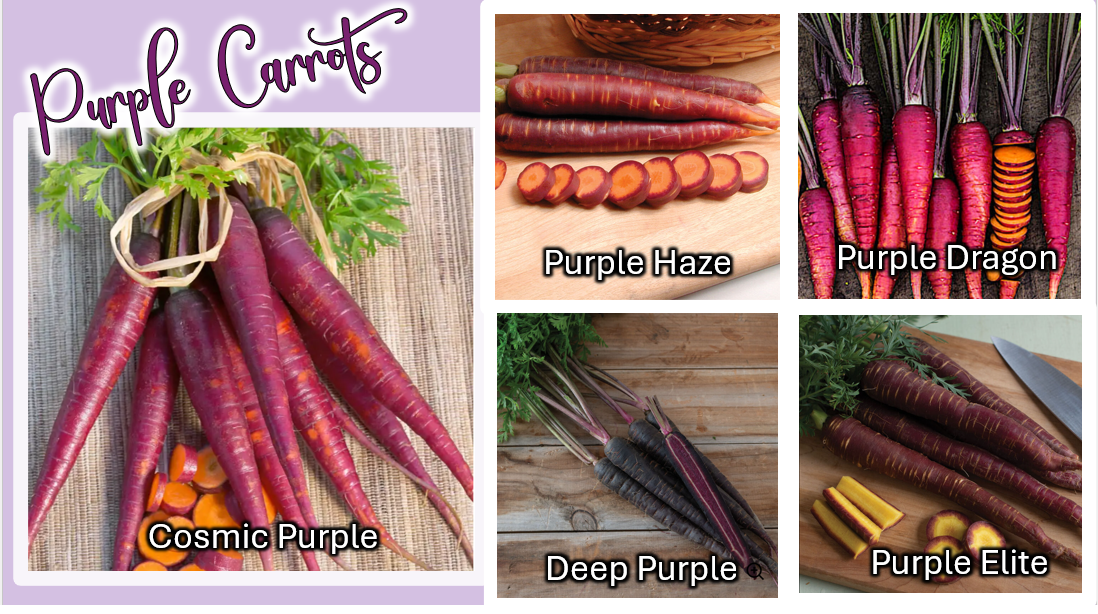
5. Cosmic Purple: Features a deep purple exterior with a bright orange core, slightly sweet and nutty flavor, matures in about 70–75 days. Great raw in salads and relishes.  Gurney’s.

4. Purple Haze:  All American Selection Winner. Deep purple skin with an orange core, known for its sweetness and slightly spicy kick, matures in roughly 90 days, ideal for salads and fresh eating. Johnny’s Selected Seeds.

3. Purple Dragon: Developed from Danvers-type carrots, deep purple exterior, slightly sweet, versatile for raw or cooked dishes, and considered a specialty cultivar for home gardens and farmers’ markets. Baker Creek Heirloom Seeds

2. Deep Purple Hybrid: Purple inside and outside the carrot, grows up to eight inches, matures in about 80 days, best used fresh as cooking can dull its color. Johnny’s Selected Seeds.

1. Purple Elite: Another vibrant purple variety with elegant yellow interior, often used for colorful salads and decorative culinary presentations. Matures in 72 – 75 days.  Johnny’s Selected Seeds.