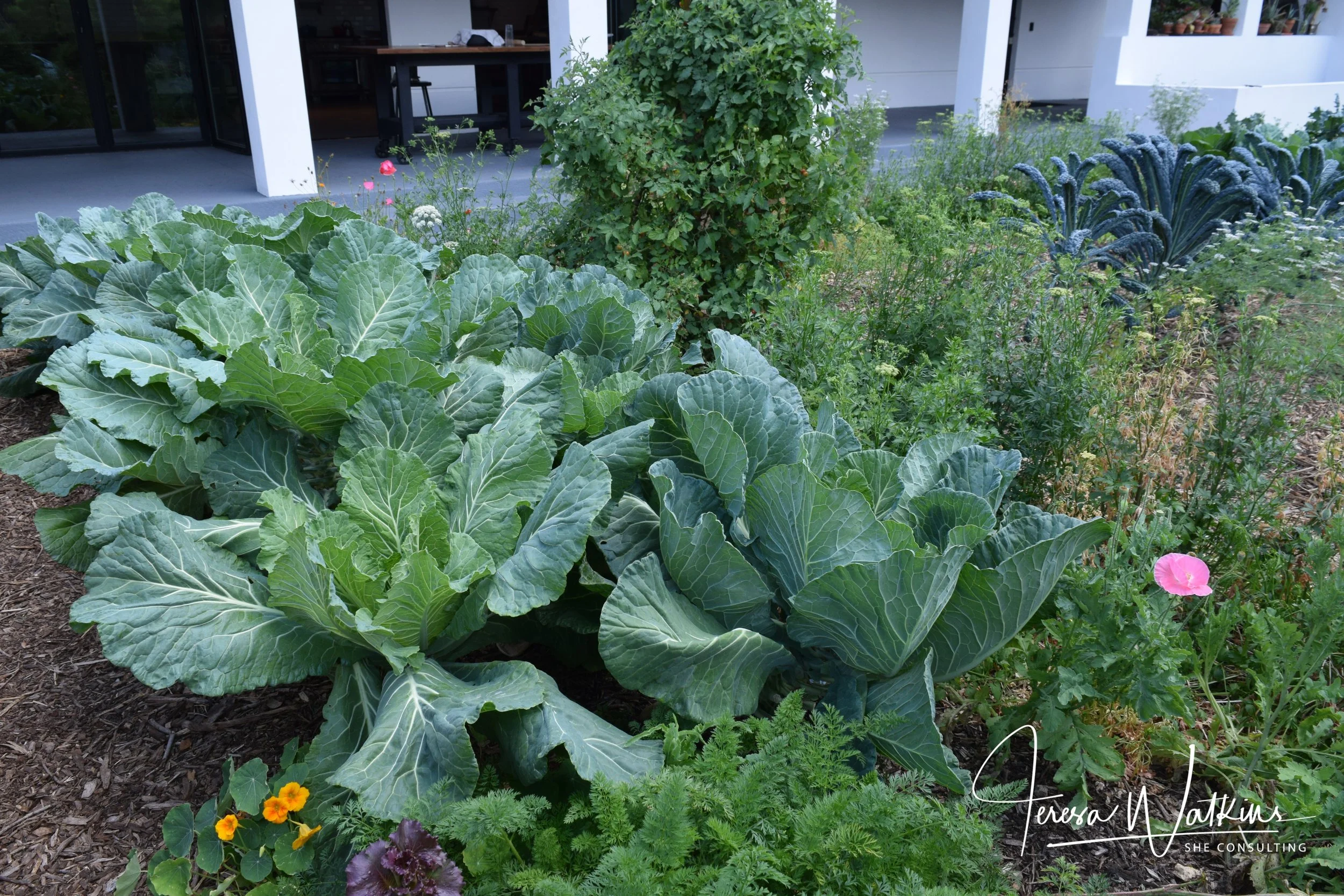
What to do in your Backyard in April
April Calendar 2026
Average temperature: High 83 Low 60
Rainfall average: 2.42 inches
April is the month to celebrate National Gardening Month! Gardening is a wonderful way to exercise, breathe in fresh air, and get some sun. Celebrate your landscape, garden, or raised bed by trying a new plant, adding flowers, or a memento or a piece of art.
What can you plant?
Vegetables: Calabaza, cantaloupe, cassava, chayote, cherry and Everglades tomato, cucumber, dasheen, eggplant, Jerusalem artichoke, jicama, Korean spinach, lima bean, Malabar spinach, malanga, New Zealand spinach, okra, pepper, roselle, Seminole pumpkin, snap beans, squash, Southern pea, sweet potato, tamarillo, yam and yard-long bean.
Flowers: African daisy, ageratum, aster, bacopa, balsam, begonia, black-eyed Susan, blue daze, browallia, bush daisy, cat's whiskers, celosia, cleome, coleus, coreopsis, cosmos, crossandra, Dahlberg daisy, diascia, gazania, gaillardia, gerbera, goldenrod, impatiens, Joseph's coat, lantana, licorice plant, lisianthus, marigold, melampodium, Mexican sunflower, million bells, moon flower, nicotiana, nierembergia, pentas, periwinkle, porterweed, portulaca, purslane, salvia, sunflower, torenia and zinnia.
Bulbs: Asiatic lilies, achimenes, African iris, agapanthus, amaryllis, Amazon lily, blackberry lily, blood lily, bulbine, caladium, canna, crinum, dahlia, eucharis lily, gingers, gladioli, gloriosa lily, society garlic, tuberous begonias, and rain lily.
Herbs: Anise, basil, bay laurel, borage, cardamom, chives, coriander, dill, borage, edible ginger, lemon balm, oregano, Mexican tarragon, mint, oregano, rosemary, sage, savory, sweet marjoram and thyme.
Lawn care
Although lawns experienced stress due to the extreme cold winter temperatures, most should be undergoing recovery.
Remove dead grass to reduce thatch accumulation.
Patches of dead or recovering weeds are easily found and should be replaced with sod or plugs of grass.
Complete feeding of Bahia, Bermuda and St. Augustine lawns to encourage spring growth. Never apply fertilizer before a rain event.
Delay feeding centipede and zoysia lawns until they begin new growth.
Apply weed killer separately from fertilizer applications.
Weed killers should only be applied in temperatures lower than 85⁰.
Get a soil test before applying fertilizer to know what nutrients are needed.
Yellowing lawns can often be regreened with an iron-only application.
Check the soil acidity of all home lawns; adjust the pH if needed.
Mow zoysia lawns to the desired 2- to 3-inch height.
Starter fertilizers can be used with new lawns to supply phosphorus for root growth.
Chinch bug controls are often needed in the Spring for St. Augustine lawns.
To test for chinch bugs, use a hand vacuum to the outside of a dead area to check for insects. Count the chinch bugs, if less than 10 bugs, keep eye on area. If more than 10, apply pesticide to the green portions of lawn.
Mole crickets are back in Bahia, Bermuda and zoysia lawns; control as needed.
Spring is our normal dry season; water when lawns begin to show moisture stress as permitted. Never irrigate more than 2x a week.
Adjust sprinklers to avoid sidewalks and roadways and water only the turf.
Apply up to three-quarters of an inch of water at each irrigation.
Change the oil and service air filters of gas-powered equipment.
Sharpen mower blades when the cutting edges begin to dull.
Edge lawns growing along sidewalks.
Aerate older lawns and remove thatch if needed. Lawns less than 2 years old rarely need dethatching.
“Remember thatch is caused by overwatering and overfertilizing.”
Don’t fight the shade; consider another ground cover for these problem spots.
Landscape chores
Walk yards on a weekly basis to inspect shrubs and trees to catch problems early.
Prune shrubs this month before new shoots form.
Many plants that suffered damage in winter should be showing new growth by now.
Prune the dead from declining plants several inches above a node into healthy wood.
Remove branches that cross other limbs or are growing too close.
Prune spring flowering trees and shrubs after the blossoms fade.
Keep palms healthy; only remove the brown fronds plus fruiting stems as needed.
Rake and use leaves as mulch or compost them for later use in gardens.
Keep weeds under control by removing them weekly.
Plant a tree on National Arbor Day April 24th.
Remove declining cool season annuals and add spring warm weather selections.
Make sure the root balls of all plant are moist at planting time.
Create tree rings with berms at the edge of root balls of new trees and shrubs to direct water to the roots.
To encourage growth, give poinsettias a spring trimming; repot new ones or add them to the landscape.
Maintain 2- to 3-inch mulch layers with trees and shrubs.
Water annuals and perennials when the soil begins to dry or they show signs of wilting.
Use slow-release fertilizers that will feed landscape plants for months.
Palms need specific nutrients; use 8-2-12-4Mg (UF/IFAS) fertilizers made for palms every 3 to 4 months.
Inspect older trees and trim as needed before the hurricane season begins.
Be safe; have arborist do the pruning of larger and older trees.
Trim old flower stalks from amaryllis, amazon lilies and other spring flowering plants.
Water new plantings as needed to keep the soil moist.
Divide your perennials this month, ideally before the hottest weather sets in.
Train vines to a trellis or arbor.
Create a resource for wildlife and pollinators, add a water feature to the landscape, clean established ones.
Transplant and feed water lilies and bog plants.
Fruit & vegetable plantings
Hurry to plant tomatoes, peppers and eggplants transplants (not seeds) in the garden.
Select larger transplants for this time of the year.
Remove cool season crops completing their harvests and add the seeded crops.
Cut back tropical fruit trees damaged by winter freeze but still alive.
Many bananas were damaged by the cooler weather; remove declining portions.
Tropicals should be coming back from winter freezes, if not, throw away.
Citrus greening has become a devastating problem; remove severely affected trees.
Control citrus psyllids by spraying Neem85 at each flush of growth; use sprays or soil treatments according to label.
Apply Southern Ag minor nutrient spray to citrus trees at each flush of growth.
Finish granular spring feedings of all fruit trees.
Start sweet potatoes to have transplants for May.
Plant tropical vegetables that won’t mind the summer heat and humidity.
Complete herb plantings before hot weather arrives; many will grow easily in bright shade in summer.
Feed vegetable plantings lightly every 3 to 4 weeks or use a slow-release fertilizer as labeled.
Help maintain a moist soil with a 2- to 3-inch mulch layer with all but citrus.
Add edible fruit bearing trees, shrubs and vines to the landscape.
Blueberries need very acidic soil with 4.5 to 5.5 pH; check soil pH before planting.
Grow blueberries in pine bark fines in planting holes or in containers.
Transplant papaya seedlings to the landscape, keep moist and feed monthly.
Foliage & Indoor plants
Provide indoor foliage plants with a filtered sun location outdoors to encourage new growth.
Groom to reshape and remove declining portions.
Trim overgrown stems of foliage plants to make cuttings.
Rootbound foliage plants that have been in their containers for years will benefit from taking them out of their pots, cutting a third of the roots off, add new soil and replant in same container.
Trim Christmas and holiday cactus if needed to keep compact; root the cuttings.
Give foliage plants a spring feeding with a slow-release fertilizer.
Add a saucer to plants on patios to capture and conserve water for use.
Transplant amaryllis that flowered during the winter to the garden or grow in containers.
Wash away dust and insects from leaves and stems.
Insects like scale, mealy bugs & thrips may need an insecticidal soap or oil spray for control.
Your orchid blooms can easily be propagated after blooming to produce new plants. Fabulous Instagram video show how easily it can be done.
Move orchids & bromeliads outdoors to a shady location.
Repot orchids & bromeliads when they begin spring growth as needed and begin feedings.
Visit independent garden centers to see Spring 2026 new varieties to purchase.
Most forced bulbs cannot be regrown in Florida; toss the plants and keep the containers.
Consider using foliage plants for shady landscape sites instead of turf.