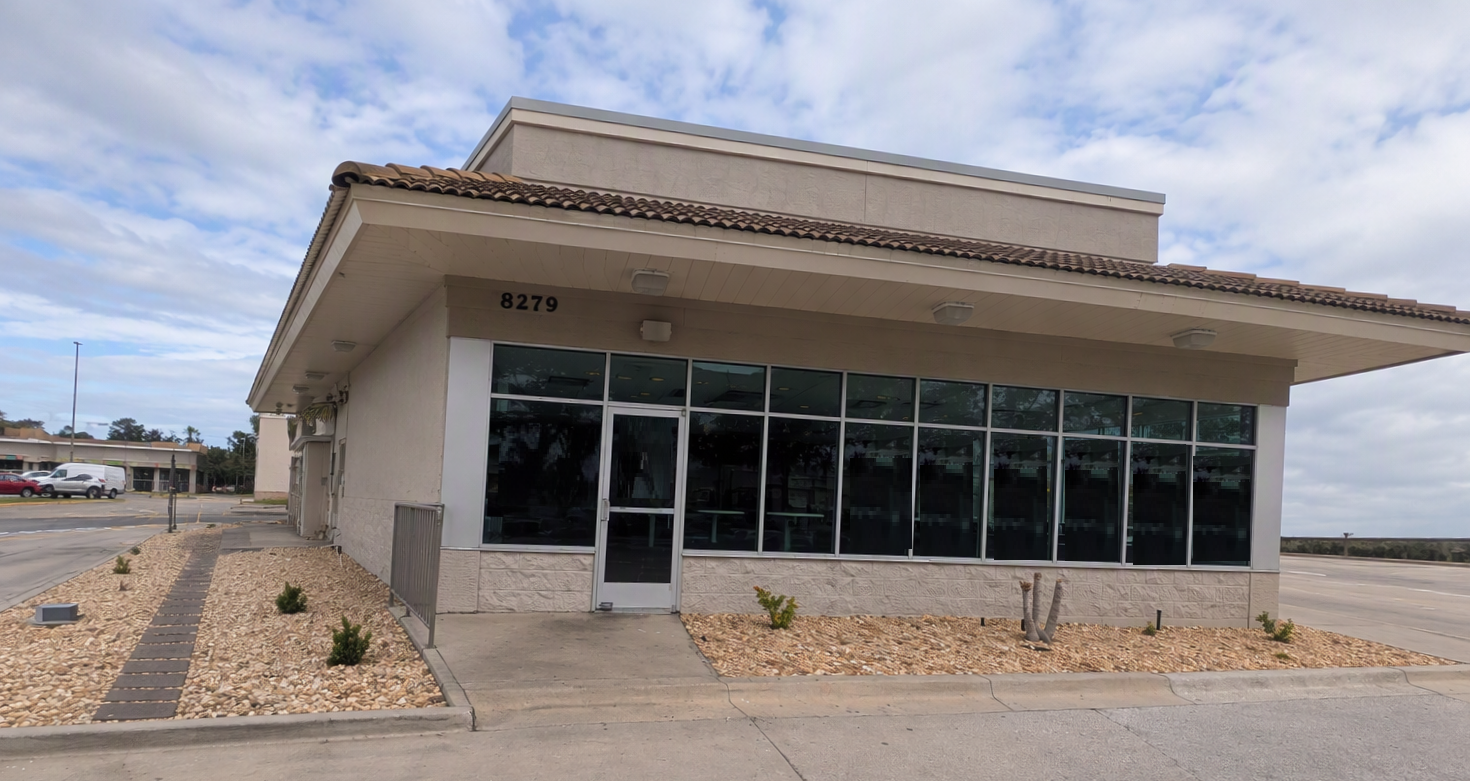
A commercial fast-food restaurant almost a year after a major freeze killed it’s landscape. I’ve purposely hidden the logos and colors of the business.
When I post one of my “Landscape Malpractice” rants, it isn’t out of meanness or maliciousness. It’s about education, accountability, and, admittedly, sometimes a little bit of, “Really? Someone got paid to do this?”
One of the downsides of being a landscape consultant is spending a lot of time on the road, which also means eating more fast food than I probably should. I don’t really mind that part. What I do mind is pulling into a busy, successful commercial property and seeing a landscape that has clearly been allowed to deteriorate, with dead or missing plants simply left behind and no apparent effort to restore what was once there.
Why does that matter?
First, commercial landscaping isn’t simply decoration. Commercial properties are generally developed under landscape requirements established by local governments, and those standards help create the appearance and character of a community. If landscaping was required when a property was developed, allowing it to disappear over time defeats the purpose of having those standards in the first place.
Second, a neglected landscape doesn’t affect only one business. It affects the appearance of the entire shopping center or commercial area. Customers may not consciously inventory the dead plants, bare beds or expanses of rock, but the overall impression of neglect is hard to miss.
And third, good landscaping is an asset. A thoughtfully designed Florida-Friendly landscape doesn’t have to mean an expensive, water-hungry collection of tropical plants. The right plants in the right places can create an attractive, lower-maintenance landscape that uses water wisely, better suits Florida’s climate and gives customers a much more welcoming first impression.
This year, I’ve seen many commercial landscapes suffer significant plant losses following January’s damaging cold weather. Replacing a landscape can certainly be expensive, and yes, an empty landscape bed probably comes with a smaller water bill. But doing nothing shouldn’t become the long-term solution. Businesses can explore insurance coverage, applicable tax treatment and, most importantly, smarter replacement choices that reduce the likelihood of repeating the same costly mistakes.
Local governments have a role here, too. Code enforcement doesn’t always have to begin with a citation or a fine. Sometimes a friendly reminder that a commercial property’s required landscaping needs attention is enough to start the conversation.
And that really is the point of my Landscape Malpractice posts. I’m not expecting every commercial property to look like a botanical garden. I am asking businesses, property owners and communities to recognize that landscapes matter. They are part of the investment, part of the streetscape, benefits the environment, and part of the first impression we create for everyone who lives, works and spends money here. When a landscape fails, don’t just give up on it. Learn from what failed, choose better plants, design for Florida, and put something back that will still look good years from now. That isn’t beautification for beautification’s sake. It’s simply good stewardship and good business.