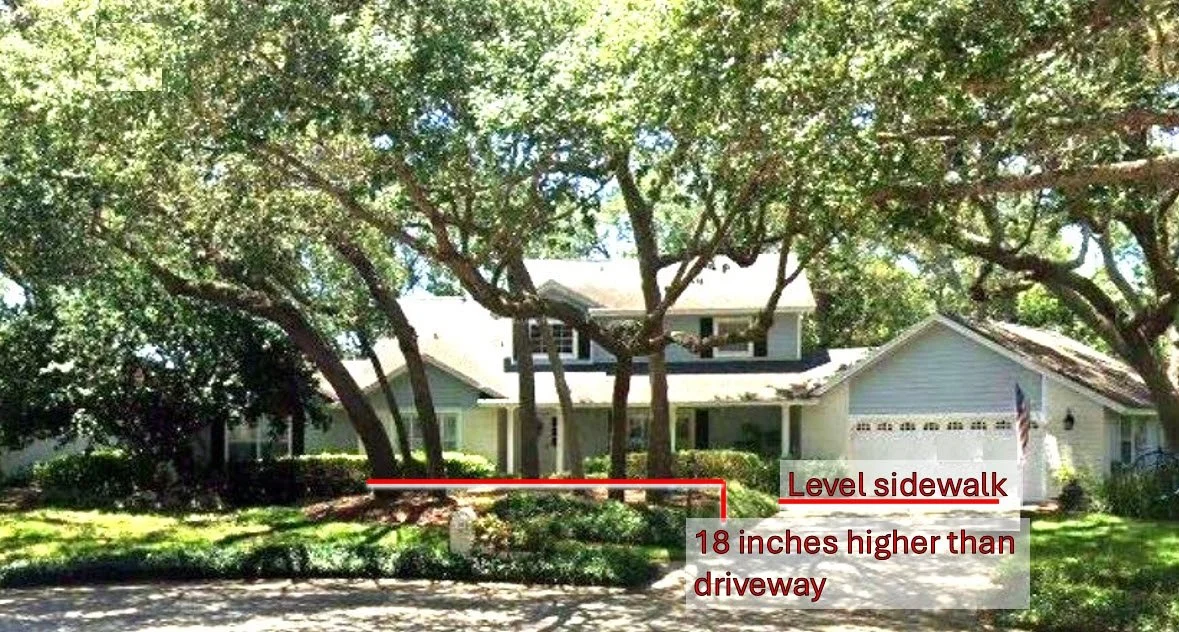
Landscape consultations always provide opportunities to uncover deep dark secrets. Last month, I visited front yard shaded by mature scrub oaks that had been growing naturally for over 30 years, spaced about 10 to 15 feet apart. The problem was that over the decades, hundreds if not a few thousand, oak tree saplings had emerged to cover the entire ground under the trees, up through the azalea’s roots, and in the mondo grass lining the sloped embankment.  Managing this overwhelming growth had become a true maintenance headache. 

After consultations with professional arborists, one suggested solution was root collar excavation, which was extremely expensive but would not get rid of the saplings or the mulch mountain that had raised the bed up 2 feet above the front door sidewalk.
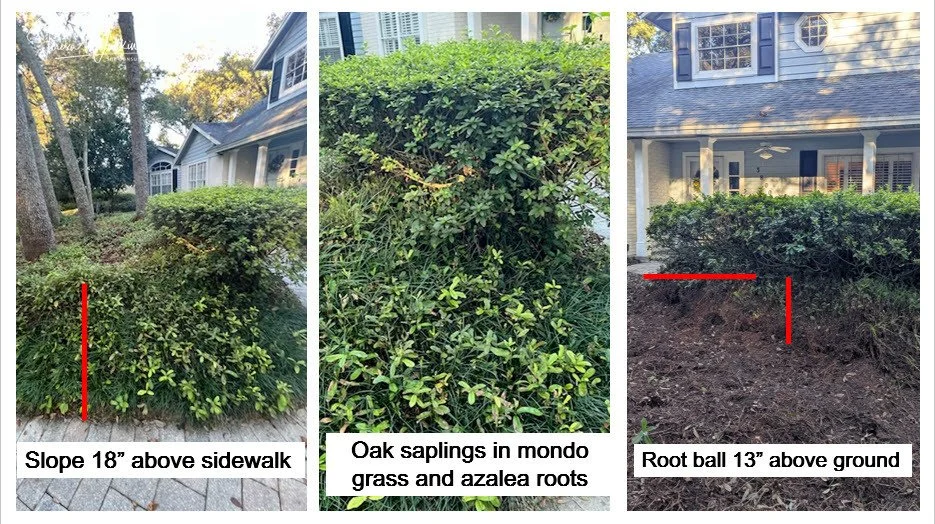
We decided on manually removing the mulch and seedlings, an arduous job for the crew. After three days, 9,000 lbs. of debris was removed and hauled away. Stripping nearly 30 years of fallen oak leaves and mulch brought the bed level with the sidewalk and revealed two layers of landscape fabric laid years apart!  The landscape fabric was laid over a foot higher than the previous landscape material. 
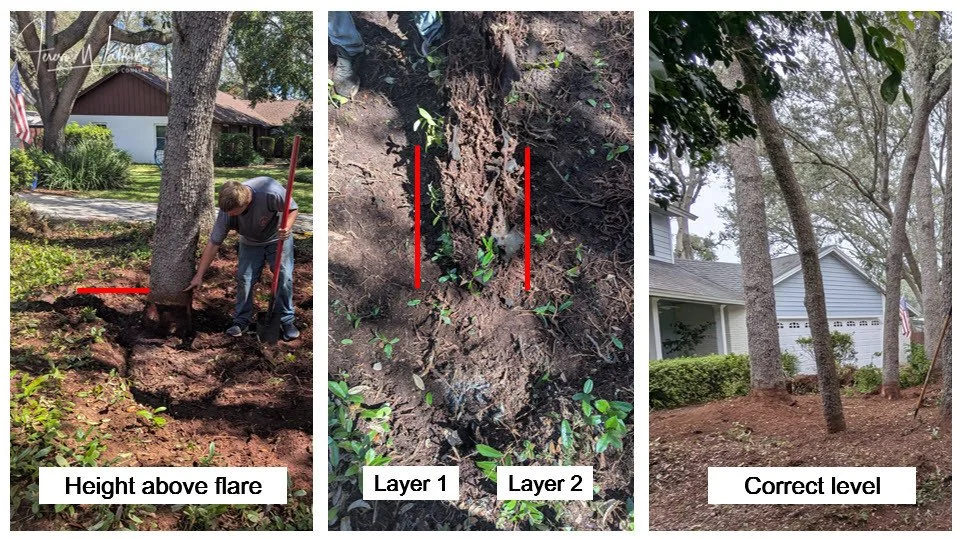
Landscape fabric should never be used in garden beds to prevent weeds (never mind two layers). It doesn’t prevent weeds — they will still grow on, in, and through the supposed barrier and makes an even bigger maintenance nightmare when the fabric must be removed.

The bed was left with the existing oak leaves, and the front yard looks cleaner and much healthier now for the oak trees.  Soil and plants need to breathe. Landscape fabric should only be used under pathways made of mulch or gravel. This will keep the pebbles in Florida’s sandy soil from making their way to China.

Thank you to the best landscape crew - Otis’ Outdoors of Central Florida.

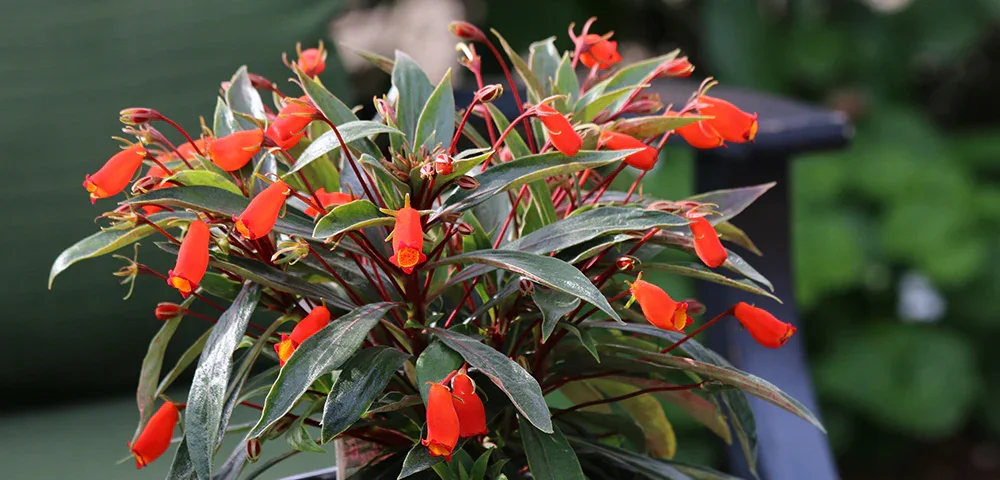
This perennial shrub produces striking orange-red blooms in autumn, enhancing the visual appeal of any shaded garden. It requires consistently moist soil and should be provided with adequate air circulation to prevent fungus. Although it is suitable for growth in Zone 8, it may experience freezing; however, recovery is generally expected.

Bolivian Sunsets can be found in local nurseries and online. 

Photo credit: Costa Farms

What to Do In Your Backyard in November

 Average temperature: High 79 Low 59 

 Rainfall: 2.32 inches

 November Plantings

Vegetables: Beet, broccoli, Brussels sprouts, cabbage, carrot, cauliflower, celery, Chinese cabbage, collard, endive, kale, kohlrabi, lettuce, mustard, onion, pea, radicchio, radish, rhubarb, rutabaga, spinach, Swiss chard and turnip.

Flowers: Ageratum, alyssum, baby's breath, black-eyed Susan, bush daisy, calendula, California poppy, candy tuff, carnation, cat's whiskers, chrysanthemum, cleome, cornflower, delphinium, dianthus, Drift roses, dusty miller, foxglove, gaillardia, geranium, goldenrod, heliotrope, hollyhocks, Iceland poppy, impatiens, larkspur, lobelia, ornamental cabbage & kale, pansy, petunia, phlox, salvia, Shasta daisy, snapdragon, stock, sweet pea, verbena, viola and wax begonias.

Herbs: anise, arugula, basil, borage, chive, cardamon, chervil, cilantro, coriander, dill, fennel, garlic, ginger, lavender, lemon balm, lovage, Mexican tarragon, mint, nasturtium, oregano, parsley, rosemary, sage, sweet marjoram, thyme and watercress.

Bulbs: African iris, amaryllis, anemone, bulbine, crinum, day lily, rain lily, ranunculus, society garlic, spider lily and narcissus; refrigerate Dutch iris, tulips, daffodils, hyacinths and similar bulbs needing a cold treatment before flowering.

 Lawn Care

  •  Fall is a good time to sod or plug problem areas in lawns; delay Bahia seeding until spring.

  • Sow winter ryegrass seed at end of November.

  • Complete fall feedings with a low phosphorus fertilizer during early November.

  • Lawns can dry quickly during the warmer days of November; water as permitted.

  • Set irrigation times to once a week when Daylight Savings Time on Nov 2nd.

  • Water lawns separately from trees and shrubs that need less moisture.

  • Repair and adjust sprinklers to water efficiently

  • Chinch bug and caterpillar control may still be needed during warm fall weather.

  • Have lawn soil tested by the University of Florida lab before fertilizing.

  • Brown patch disease can be severe in zoysia; treat this month or when first noted.

  • Apply herbicides for your lawn type if needed for broadleaf and sedge weed control.

  • Continue mowing at normal heights.

  • Aerate hard to wet, compacted and nematode infected soils.

  • Remove and compost fallen leaves.

  • Fill in shady problem spots with ornamental ground covers.

Vegetable & Fruit Tree Care

  •  Fall rains and heat have damaged many plants; continue good care to obtain a harvest.

  • Remove declining crops and plant the cool season vegetables

  • Herbs like cooler weather; begin new plantings and revive older ones.

  • Start seeds of broccoli, cauliflower, collards, onions and produce transplants.

  • Cool season vegetables can be added to the garden until February.

  • Add a few vegetable plants to the garden each month to have a continual supply.

  • Tomato and pepper planting time is over until spring.

  • The dry season is here; water when the surface soil begins to dry to the touch.

  • Improve sandy soils with garden soil, compost, peat moss and composted manure.

  • Feed the garden every 3 to 4 weeks with composted manure or a general garden fertilizer.

  • Stake or trellis taller growing crops to prevent wind damage and pests.

  • Maintain 3” of mulch between plants and rows to conserve water and control weeds.

  • Caterpillars have been feeding in the garden; hand pick or use natural controls.

  • Build raised beds to better contain plantings and make their care easier.

  • Give bananas and pineapples a final fall feeding with a general garden fertilizer.

  • Many early citrus are ready to harvest; use the taste test to tell when they are ripe.

  • Feeding time for citrus and other fruit trees is over.

  • Water citrus trees once or twice each week during dry times.

  • Add new citrus or other fruiting trees to the landscape.

  • Sow papaya seeds to over winter in containers.

  • Delay all fruit tree pruning until late January or February.

 Landscape Chores

  •  Renew mulches to help conserve water during the drier months ahead.

  • Most shrub pruning should be completed this month to allow new growth to mature before winter.

  • Only remove declining fronds and flower or fruiting stalks from palms to maintain vigor.

  • Palm diseases may be spread by pruners; disinfect at least between palms. 

  • Remove declining warm season flowers and replace them with the cool season flowers.

  • Work organic matter into flower beds and replace soil in planters before planting.

  • Slow-release fertilizers are best way to feed flower beds and containers.

  • Extend chrysanthemum life; remove faded flowers, keep the soil moist and feed lightly.

  • Make sure poinsettias receive no nighttime light; keep the soil moist and feed monthly.

  • Established trees and shrubs need infrequent watering; moisten only during dry times.

  • Flower beds need watering when the surface soil begins to dry to the touch.

  • Scale insects have been heavy this year on shrubs and foliage plants; use Neem oil spray.

  • Leaf spots and die-back are normal on many trees and perennials as they prepare for winter.

  • Cooler months provide the ideal time to move small trees and shrubs in the landscape.

  • Check braces and supports added to new trees, palms and shrubs.

  • Hurricane season ends November 30; select small sturdy trees for new plantings

  • Remove limbs and weeds interfering with sprinklers.

  • Complete all tree, palm and shrub feedings by mid-month.                    

  • Collect and refrigerate favorite flower seeds in plastic bags and store them in the refrigerator.

  • Hurry to create wildflower plantings that won’t flower until spring.

  • Reduce feedings of orchids and bromeliads in the landscape as the weather cools.

  • Divide perennials and bulbs

  • Create compost piles to recycle yard waste.

  • Be prepared to cover or move cold sensitive plants to a warm location.

  • Fill hard to mow and problem areas with shrubs and ground covers.

  • Clean birdbaths and prepare feeders for winter.

  • Reduce feedings of water garden plantings

 House and Foliage Plant Care

  •  Plant chilled narcissus and amaryllis bulbs in containers to begin growth for holiday blooms.

  • Remember, prevent any nighttime light for holiday plants until they begin to bloom.

  • Water holiday cactus and kalanchoe when the soil dries to the touch; keep poinsettias moist.

  • Wash away dust and plant pests with a soapy water solution

  • Check and treat outdoor plants for insects before bringing them indoors.

  • Discontinue or reduce foliage plant feedings to every other month.

  • Begin bringing cold sensitive foliage plants indoors.

5. Bleeding Hearts: Clerodendrum thomsoniae is a vine from the mint family (Lamiaceae), though some sources like the USDA Plants Database list it under Verbenaceae. It grows in Central or South Florida with full sun to partial shade, producing red, heart-shaped flowers throughout the year, especially in milder weather.

4. Witches Hair — Cuscuta, or dodder, is a genus of over 201 parasitic plants, usually yellow, orange, or red. Once classified in Cuscutaceae, it is now part of the morning glory family.

3. Black Bat Plant – Tacca chantrieri. – Species of flowering plant in the yam family – National Flower of Thailand. It smells like a rotting corpse, self-pollinating. It can be planted in full shade outside or can be an indoor plant.

2. Snapdragon Skulls – After blooming, snapdragon seeds resemble human skulls. Historically, these plants were believed to protect against deceit, curses, and witchcraft, and some myths claimed they could restore youth and beauty to women who consumed them.

1. Ghost PipesMonotropa uniflora Ghost plant or Death plant, Indianpipe is a spectral herbaceous perennial wildflower, Grows throughout Florida naturally in mixed temperate hardwood forests and scrub, particularly where the ground is covered in leaf litter and lichens. It typically blooms in November. Its whitish color is due to it being non-photosynthetic and does not contain chlorophyll.

Hanging baskets are an effective way to enhance entryways, patios, arbors, or gazebos, adding both vivid color and vertical interest to outdoor spaces. Consider these new and attractive low-maintenance flowering options and more from Proven Winners for your landscape.

Embracing the Beauty of Fall

Fall is truly my favorite time of year. Not only is it the season of my favorite holidays (and Tony’s and my birthdays) but the season brings an exquisite Autumn color palette featuring rich shades of burgundy, vibrant orange, earthy browns, and deep forest greens. As the days progress, the temperatures begin to cool, even if only by a few degrees, providing a refreshing change from the heat of summer. Additionally, the humidity gradually decreases, making time spent in the garden much more comfortable and enjoyable. I’m looking forward to the upcoming change of seasons and new year.

Recently, on Better Lawns and Gardens, I had the pleasure of speaking with Katie Dubow, President of the Garden Media Group. In September, the company marked an impressive milestone, celebrating 25 years of forecasting garden trends. Their ongoing research continues to shape the gardening world, and according to their latest findings, the prominent theme for 2026 will be “Lemonading.”

 Lemonading, the ability to reframe problems with creativity into ideas and solutions. This new phrase provides opportunities for people to enjoy life and stylize it to their own personality and needs. How does Katie and the Garden Media Group Dream Team think lemonading will shape gardening in 2026?  The company’s research shows that people will be:

  • Looking for joy, relaxation, seeing their efforts make a difference, not only in gardening but in their world.

  • More “kidulting” with new software, using games and technology from our youth (and adulthood) to relax but also to be a better gardener.  

  • Setting yourself apart with collections, bento-style vignettes, especially rare and exotic plants, unusual pets, and re-shaping outdoor spaces.

  • 2026’s Color of the Year: Faded Petal. A beautiful vintage soft pink color is muted by light ash. See their flower and shrub species recommendations you can add to your landscape to showcase this new color in the link below.

Katie and her all-female staff’s predictions make sense in today’s accelerating by-the-day-world. Each of the categories is explained in depth in the Annual Report.  It’s a fun read and I will be very interested to see how much is spot on target for our future. We’ll see.

The Garden Media Group’s Annual Report can be downloaded free here.

During our final Art in Bloom Garden Tour of the year, in the New York’s Hudson River Valley, participants experienced wonderful weather and vibrant floral displays while visiting distinguished estates and notable botanical garden exhibitions. At the New York Botanical Gardens, attendees viewed The Van Gogh Flower Show, which featured an impressive selection of sunflowers, artistically arranged frames and easels with real floral compositions, as well as landscape beds designed to evoke Van Gogh’s iconic floral paintings. Additional gardens included Stonecrop Gardens, Kykuit at the Rockefeller estate, and the Gothic Revival Lyndhurst Mansion.  

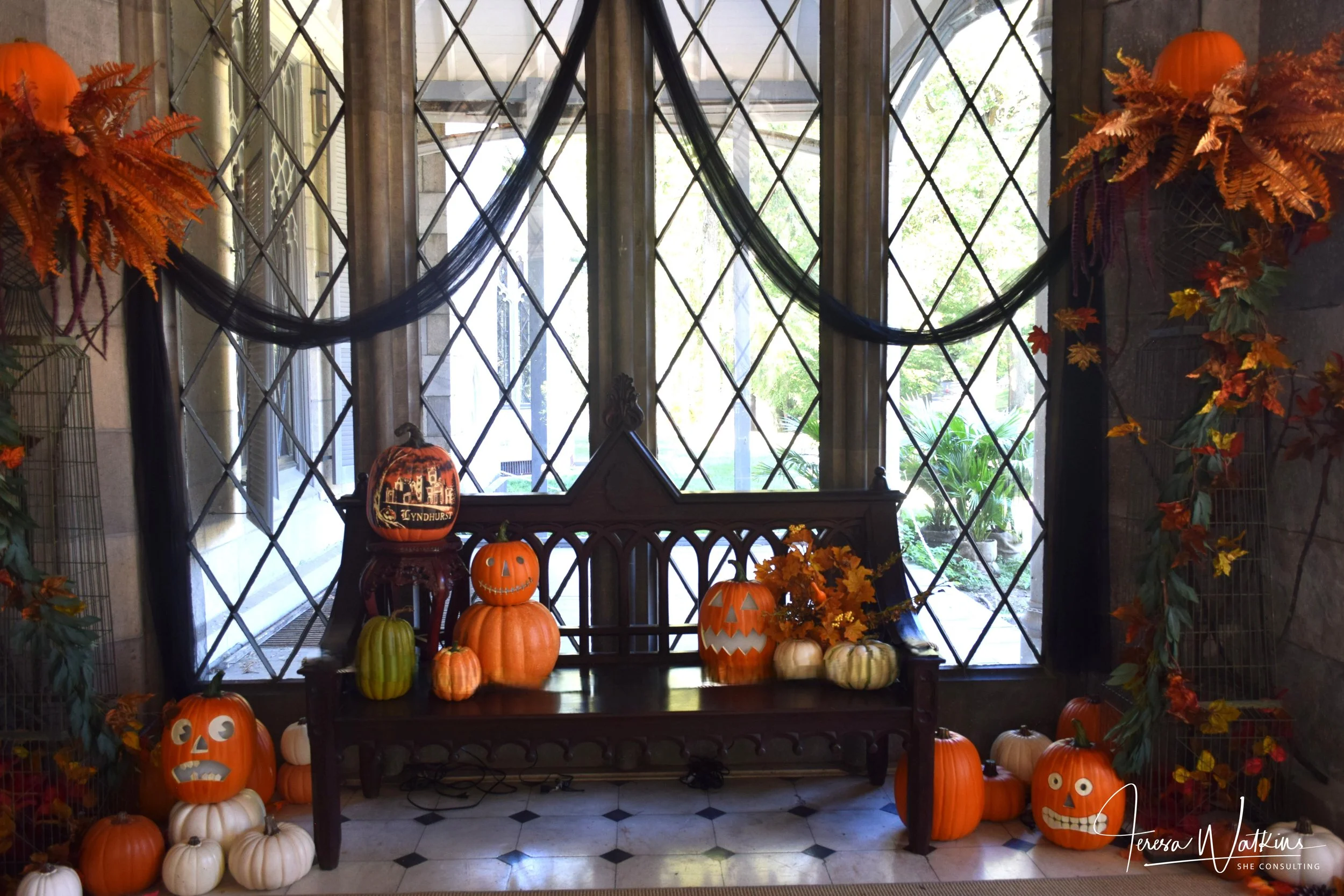
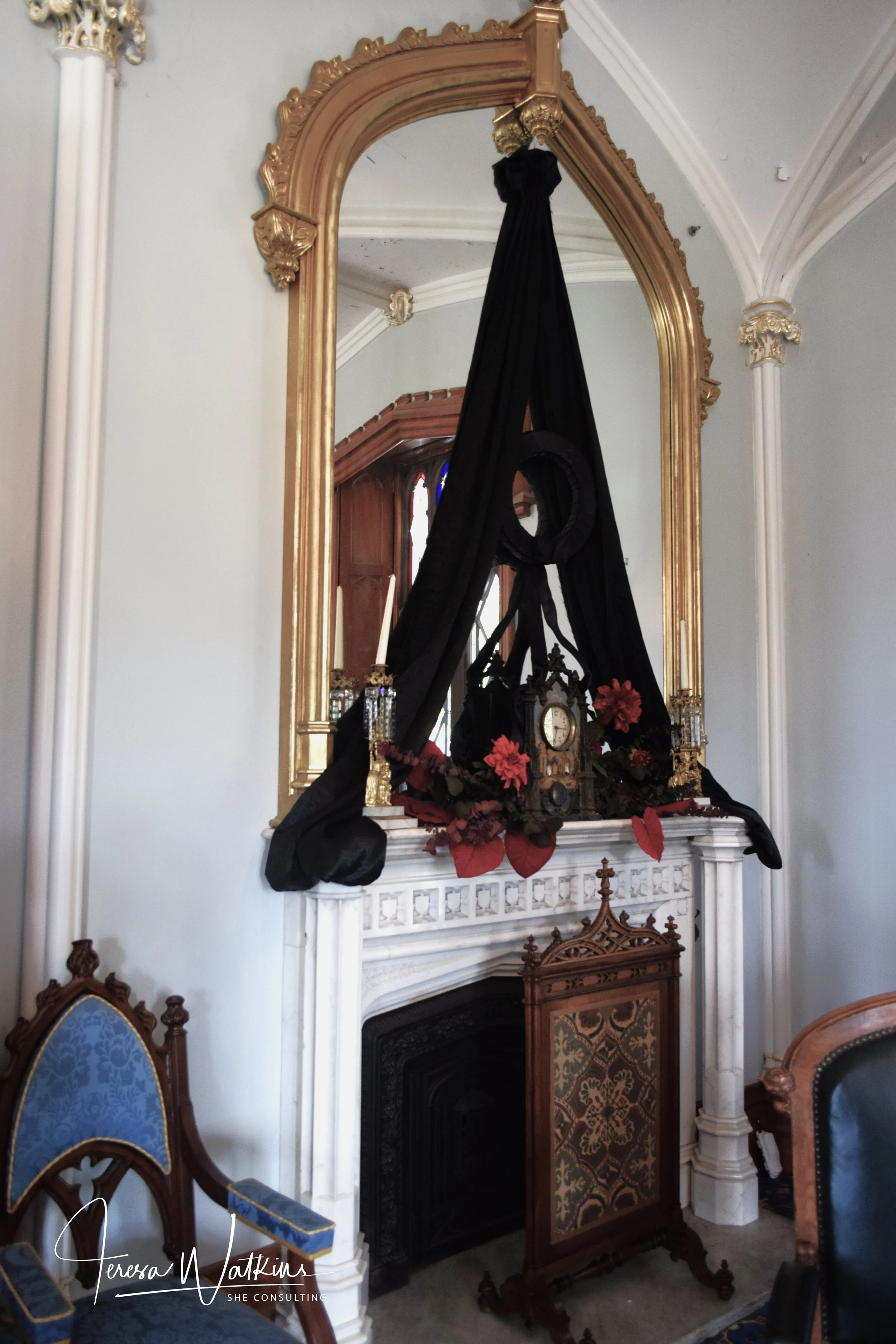
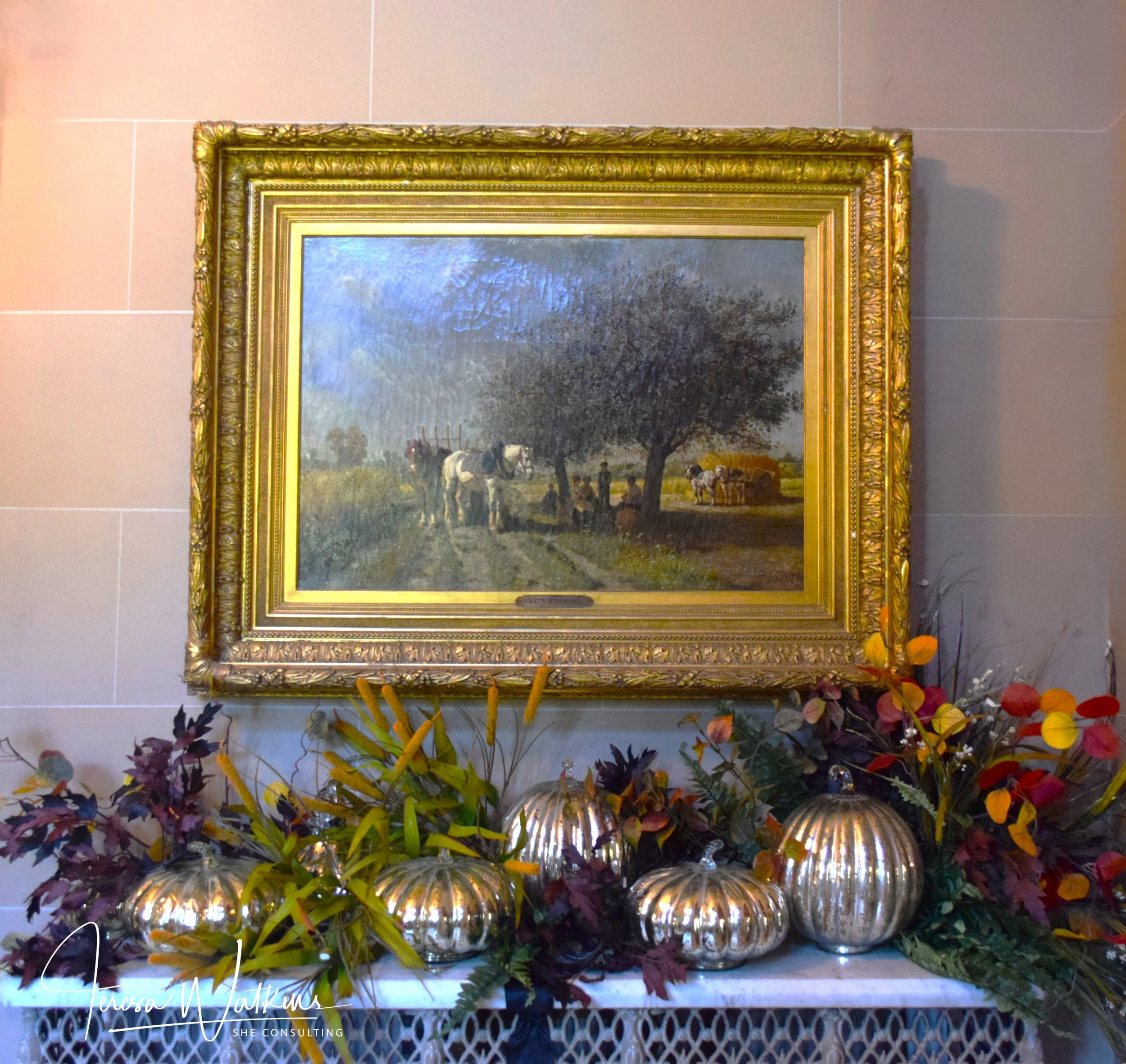
A serendipitous discovery at the Lyndhurst Mansion was that it was used as the exterior backdrop of the mansion for the 1960’s gothic “Dark Shadow” soap opera series. It was my favorite soap opera next to All My Children. The house’s interior was decorated for Halloween and so much fun to walk through. I appreciated that the home did allow for interior photographs.

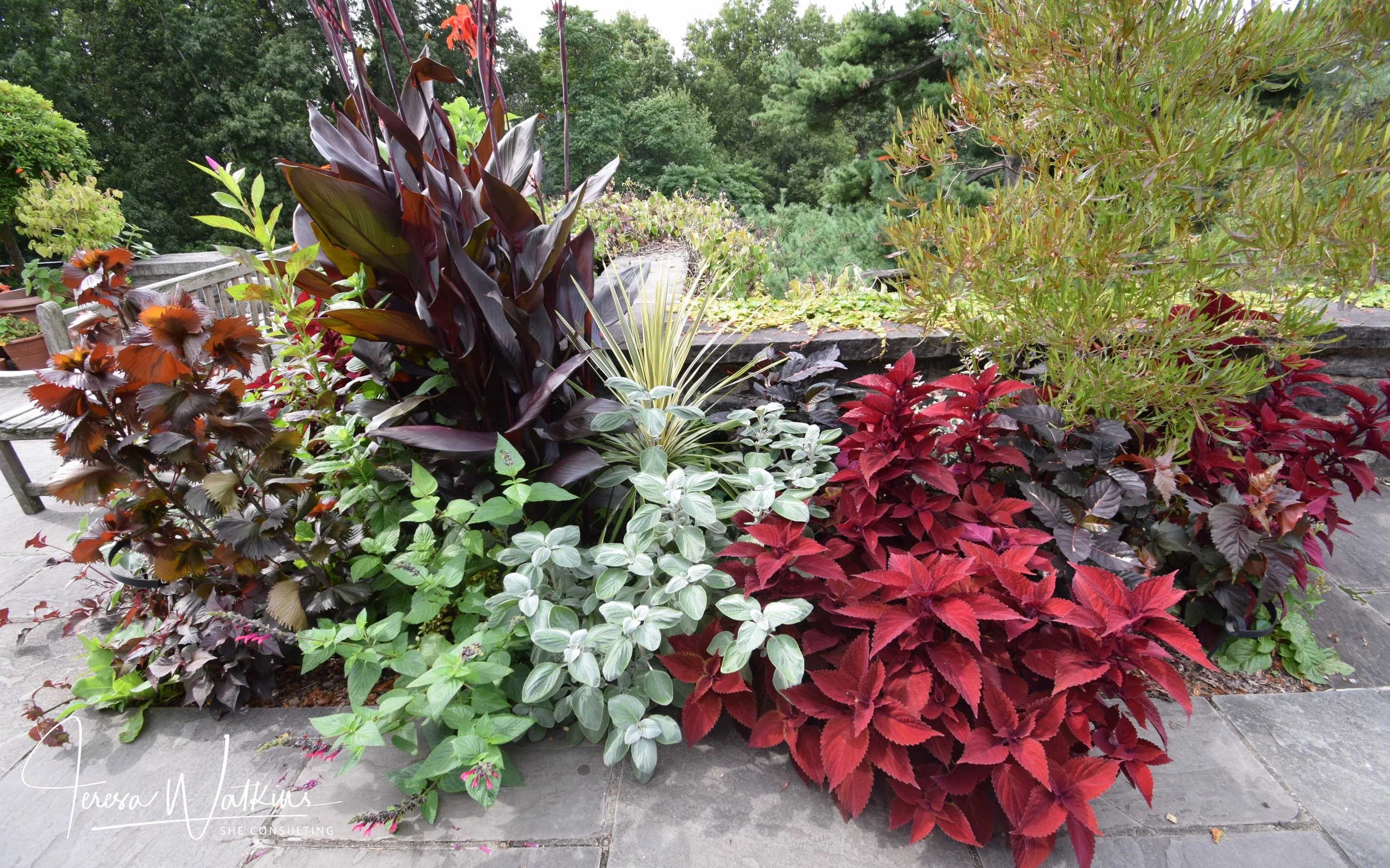
Another of our garden tour stops, Wave Hill, a public garden that offers incredible views of the Hudson River and features a variety of themed gardens with creative beds, art work, and diverse plant combinations. The botanical garden includes numerous plant displays that are suitable for growing in Florida's climate. The Kate French Terrace garden beds showcase color schemes including jewel tones and soft grays, which are well suited for the fall season. I include my favorite in Teresa’s Landscape Design Tips. Does it work for you?

October marks the start of Fall gardening, so consider a soil test and fertilizing if it's been a while. Adjust soil amendments and pH as needed and consult planting guides for this month's What To Do In Your Landscape in October.

My Plant of the Month is a medium-sized shade shrub with evergreen leaves, fall and winter blooms, and no pest issues—an ideal choice for your garden.

In Lizzie’s Gardening Adventures, discover how her garden gives back and how she finally resolves turkey troubles. She rules her roost!

Horrific landscape malpractice has kept me awake for decades and is as scary today as ever. Just because “Halloween” season is approaching, doesn’t mean you have to create your own “Nightmare on Elm Street.”  Learn how to properly prune your landscape.  

Please comment below if you have any gardening questions or thoughts. I hope you enjoy the newsletter and are looking forward to the cooler temperatures and holiday season. I know I am.

Fall Garden Showcase for florida

Burgandy and silver Fall plant display

Inspirational Fall display I discovered at our Art in Bloom Garden Tour in Wave Hill in the Hudson River Valley, New York. Plants include from left to right:
Front row: Copperleaf 'Ceylon', Salvia pink, Plectranthus argentea 'Silver Spur', ColorBlaze® Rediculous®, Copperleaf 'Louisiana Red',
Back Row: Celosia, Canna, 'Orange Chocolate', Cordyline 'Torbey Dazzler (I think), Leucondendron.

Most of these Zone 8 - 11 plants can be grown in Florida landscapes or container gardens year-round. Tuck a few pumpkins and gourds underneath and voilà, you have a lovely Fall display. For Winter, add a few holiday gold and silver glittery picks to stick in the ground or planter, and it’s perfect. For Spring add pink salvias or a hibiscus, and a butterfly accoutrement, and it becomes delightful. For summer gardens, add yellow Black-eyed Susans or Sunflowers and a metal piece of art featuring a sun and it will be glorious.

Show me your Fall displays! Send your photos to teresa dot watkins at live dot com.

Seasonal Surprises

Pumpkin Patch Protest

Pumpkins have unexpectedly sprouted in my burn pile, behaving like rebellious gourds determined to stage a fall-themed protest. Despite the lack of soil and planning, this rogue squash colony is thriving in the ashes. Their presence seems to mock my composting skills, transforming what should be waste into a festive Fall miracle. It’s as if nature itself has a sense of humor and enjoys playing tricks-and-treats on me.

Tom Turkey Transfers

I recently rehomed two of my tom turkeys, as their daily antics had begun to resemble a WWE wrestling match. Each morning turned into a feather-flying escapade, and even my attempts at peace talks failed to calm the chaos. Ultimately, both turkeys have moved to a new home where they can hopefully find tranquility.

These experiences serve as a reminder that life is a joyful journey. It’s up to each of us to embrace and enjoy all the moments, big and small.

For more updates, follow me through “Lizzie Said What” on social media.

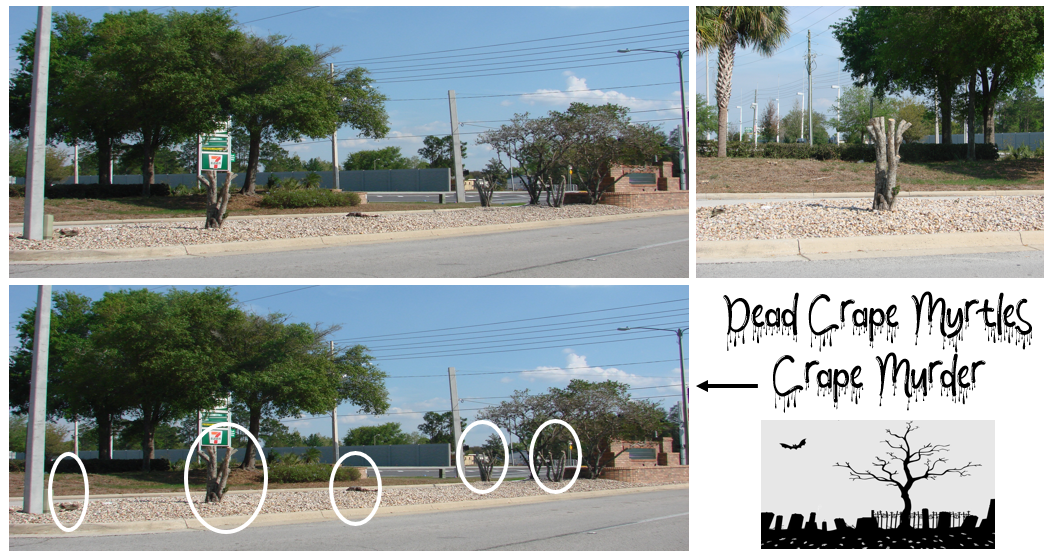
Challenges come frequently when talking about pruning crape myrtles.: “I cut my crape myrtles every year and they are just fine.” “Crape myrtles need to be cut to bloom.” “The HOA tells me to cut the crape myrtles and I try to stop them, but they say, ‘Cut them!”.

If you prune your crape myrtles this way every year and they are fine, you’re fortunate. It’s not a best management practice and it may only be a matter of time when the cut is the one that kills your tree.

Crape myrtles, if located correctly, shouldn’t need pruning except for cutting off suckers at the bottom, cleaning the trunk of sprouting shoots during spring, or trimming off the spent seed heads. Crape myrtles that are hacked off bloom later or don’t bloom as much, and cutting the trees incorrectly causes more suckering.

Don’t kill your crape myrtle. Read the University of Florida’s pruning instructions.

Proper way to prune palms.

Proper way to prune shrubs and trees.