wildlife'

The Music of the Night

Florida Leopard Frog

As a child, during the Spring and Summer, I enjoyed listening to the frogs’ nightly chorus. Creating a natural habitat for frogs and toads is one of the most rewarding landscaping projects you can undertake. These curmudgeonly but helpful amphibians feed on many common garden pests, such as ants, beetles, flies, mosquitoes, slugs, and other small invertebrates. By encouraging frogs and toads to visit your yard, you'll help maintain a natural balance and reduce pests without using chemicals.
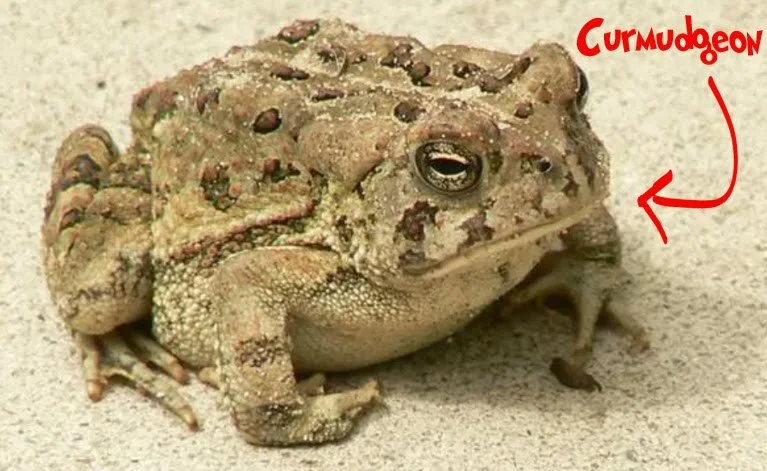
Florida native Fowler’s Toad, US Fish & Wildlife Services

Florida’s Native Frogs and Toads.

While butterflies enjoy “puddle stations, you can encourage frogs and toads to visit by building a “frog log” or a “toad abode” by creating shady nooks and moist crannies with rocks, sticks, logs, or upside-down broken pots with adequately sized openings, for shelter out of the sun and hiding places from predators. Let leaf litter from canopy trees fill in as mulch. Add native hydric or rain garden plants such as bog buttons, ferns, grasses, and mosses to complete your wetland habitat. 

Including a low water feature in your toad habitat helps amphibians regulate their temperature, giving them a place to cool down. Garden saucers, salvage pottery, China plates, or bowls, placed level with the ground are all good choices. If the water depth exceeds six inches, be sure to add a stick, spoon, or ladder-like object so amphibians can easily climb out. Placing your water feature in an area that is irrigated will ensure that it has water in it frequently.

One of the most crucial recommendations for maintaining any wildlife habitat is to refrain from using pesticides and herbicides near the exterior of your residence. Applying pesticides can reduce available food sources for amphibians. Herbicide use will kill the plants that will shade and protect them.

Now, at night whenever I step outside after dark, I can hear their music, it’s serene and comforting, taking me back to my childhood. Welcome amphibians to your landscape to balance nature’s way, it’s one of the joys of Spring and Summer. 

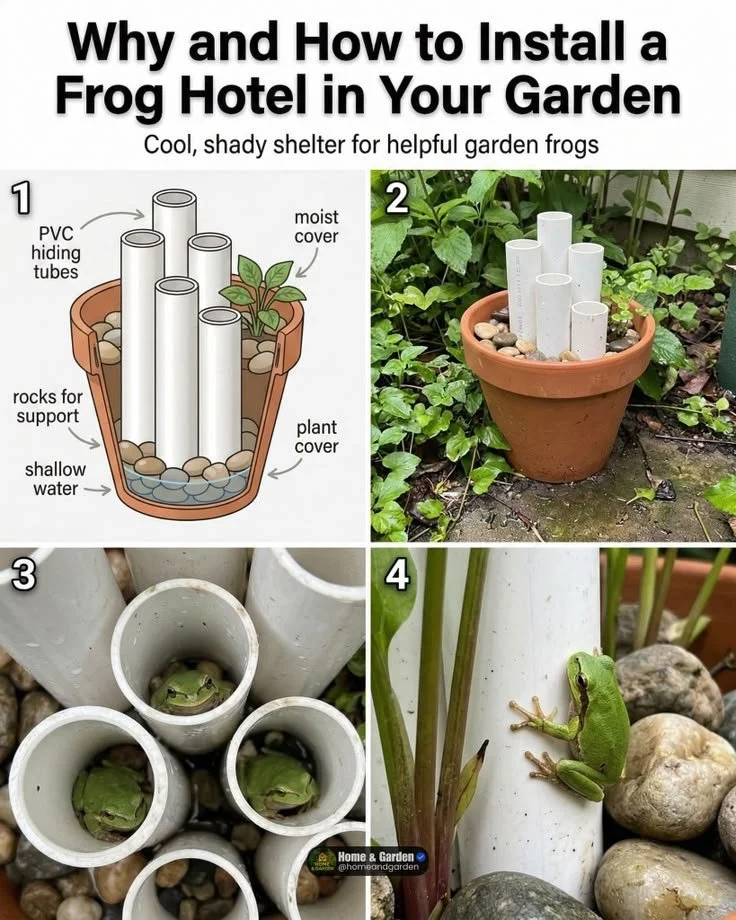
Check out these two DIY “toad abode” projects, courtesy of Pinterest and Homeandgarden.com.
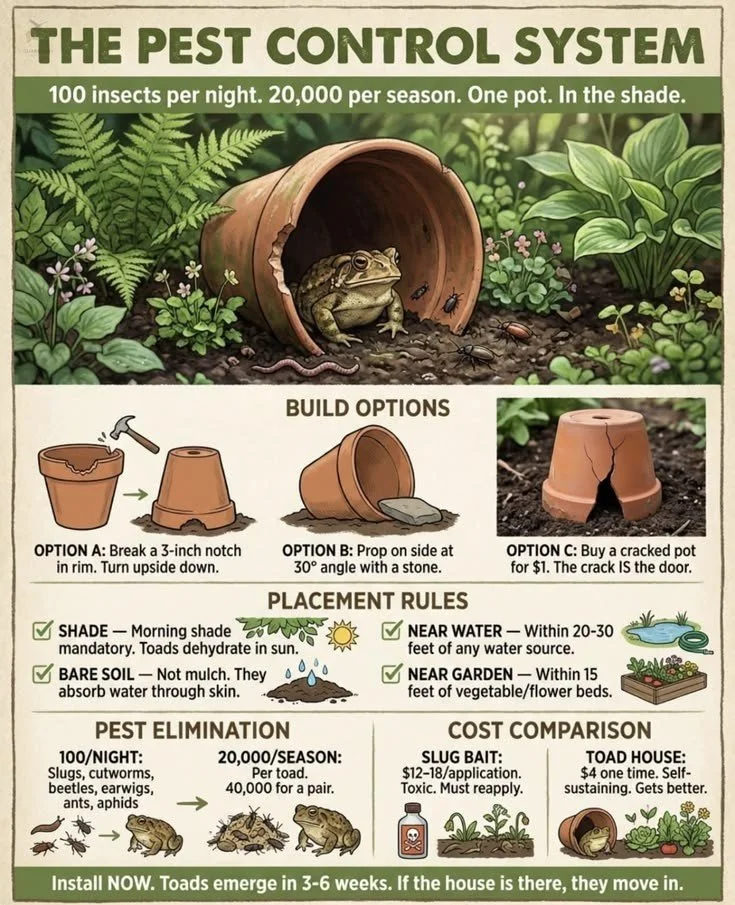
Credit: Homeandgarden.com

Teresa's Design Tips - Plotting For More Turkeys

Photo credit: Jeanette Mazza

I received a timely design question this month.

“Teresa: I live in a rural part of Central Florida and would like to have more wildlife, especially turkeys. What can I plant? “

Great question, Jim. Turkeys need three things: protected roosting sites, year-round food sources, and nesting cover. Being out in a rural section with lots of trees is also a preferred environment for turkeys. The wooded perimeter of cow pastures are also habitat for turkeys. Thick trees with understory of shrubs provide a sense of security where they can quickly run to escape a predator. Turkeys roost in trees at night for security.

To encourage turkeys to stay year round, supply food sources such as berries and fruits, insects, nuts, seeds, and vegetables. Oak trees with a turkey’s favorite food of acorns are ideal for turkey plots. A stand of Long Leaf Pine trees is also a good start. If your plot is within a mile of a lake or river that can provide water will also be helpful.

When choosing plant selections, diversity is important to remember. Three types of vegetation is optimal: groundcovers, taller grasses, and grains. Turkeys prefer lower groundcovers and grass when they forage. Grasses and small plants also necessary for turkeys to strut their stuff. Oops… I shouldn’t use the word stuff, should I?

Here is a nutritious menu for turkeys:

  • Grains: millet, oats, rice, soybeans, sorghum, and wheat.

  • Grasses: chufa, muhly grass, weeds,

  • Groundcovers: alfalfa, clover, legumes, rye grass, wildflowers,

  • Fruits and Vegetables, Insects, and Snakes.

The size of your turkey plots should be at least one-half to two acres bordering the edge of wooded conservation area or forest. Level the ground before any seeds are planted. Do not use herbicides to remove weeds or wait for the label’s instruction on timing to revegetate the area.

Leave an open strip of sand around the outside of your turkey plot. This will help turkeys dust themselves. Dust baths will help turkeys with itching, skin irrigation, maintain the feathers, and allows them to clean themselves.

Like wildflowers, Spring and late Summer is the best time to plant your turkey plot.