Grow Big and Grow Home

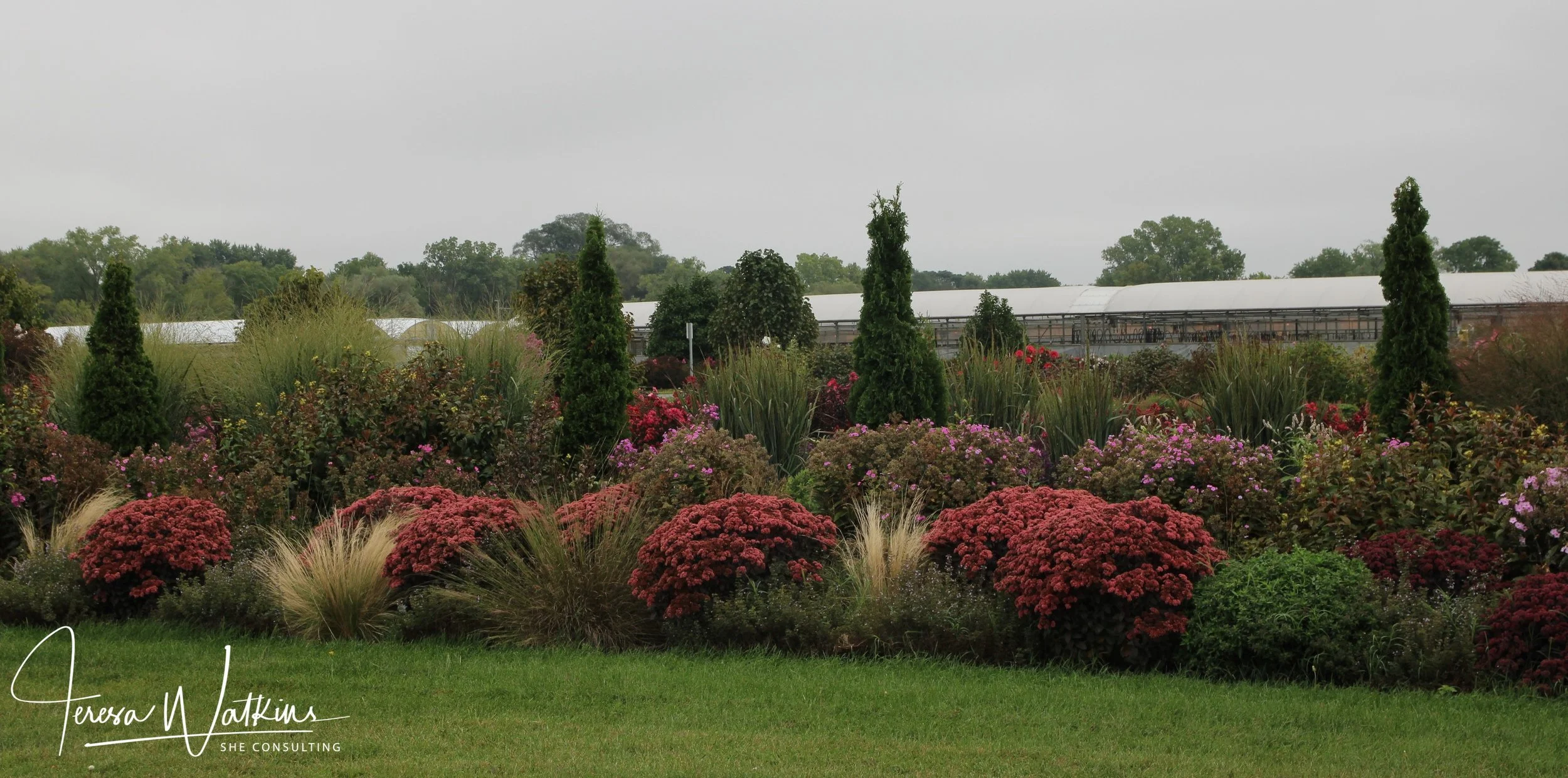
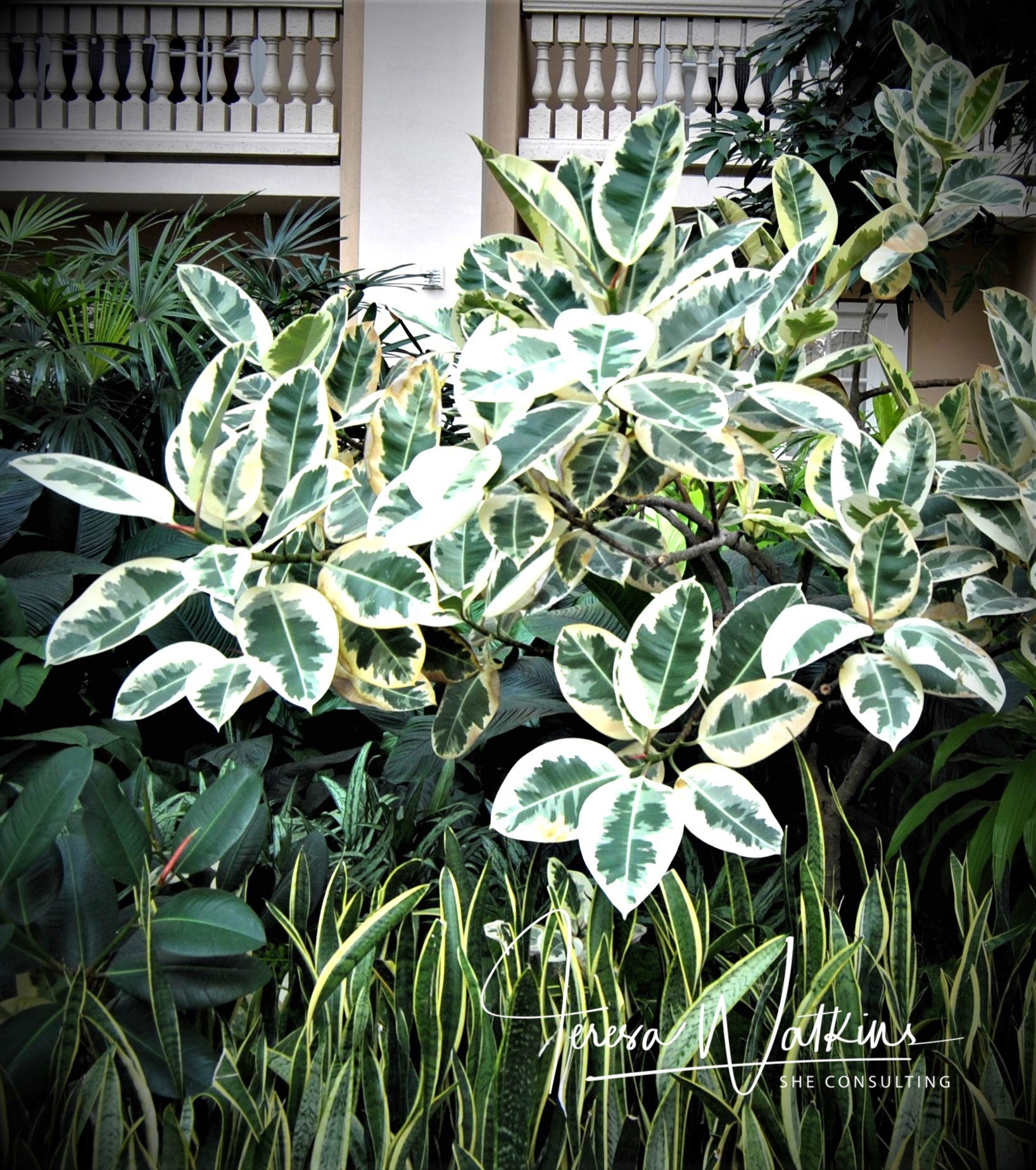
Photo credit: Teresa Watkins, Windmill Gardens, Holland, MI.

At a recent client consultation, my client was at her wit’s end trying to keep up with the weeding of her garden beds. I could feel her pain. It’s a major issue in the final dog days of summer. Torpedo grass had infiltrated her backyard beds and it was not going to get better or easier to get rid of the weeds. As she had only 7 to 8 plants and an oak tree in a 15’ x  6’ – 7’ space, my best advice was to carefully dig up the plants, preserving as much of the root ball as possible, and lay under another shaded area.  Then I would spray a non-selective herbicide throughout the bed around the tree.  In a week the herbicide would have done its job (always check product label), she could clear and level out the ground, check the plants’ root balls for any torpedograss rhizomes, and replant her shrubs, and mulch.  Determine where the invasive weed is coming from to keep it out of the yard. You could also solarize the bed but this late in the year, you would probably want to delay planting freeze-sensitive shrubs till early Spring.

One of the best ways to keep weeds out of your turf and garden beds is to make sure you start off with a clean slate. Make sure there are no weeds already existing in the ground.  The next way is to make sure your turf or garden bed is healthy with dense coverage and mulched correctly.  Competition and 2” – 3” of mulch can keep weed seeds from germinating or weeds taking over. Leaving large bare spots allows uninvited plants to grow.

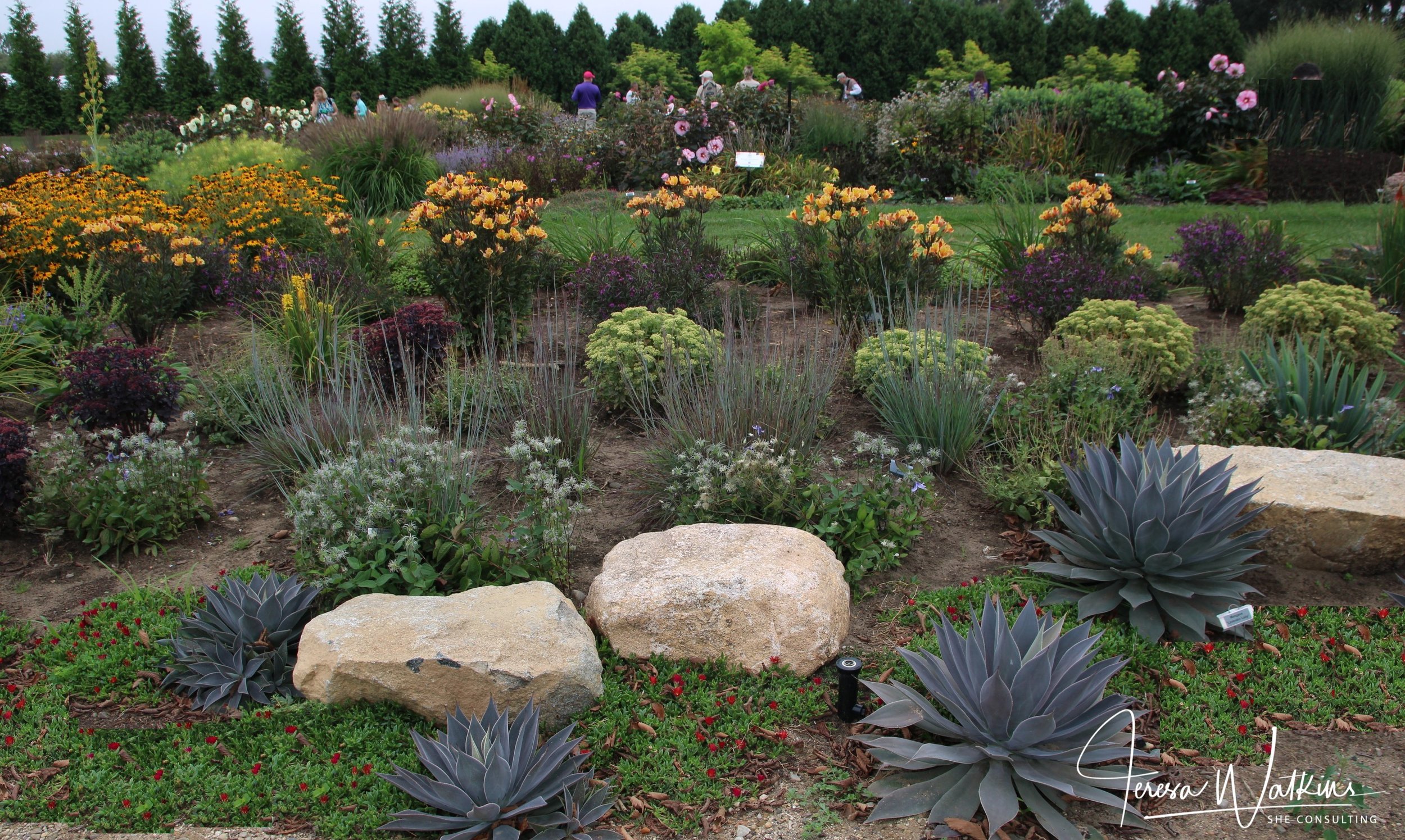
 I saw clear examples of weedless beds at the Garden Communicators International 2024 Annual Conference in Grand Rapids, Michigan.  Botanical gardens, private, and trial beds at Frederik Botanical Gardens, private home gardens, and Walters Gardens, showcased lush, abundant plants, with little to no weed issue. And it wasn’t that these gardens had people who pulled weeds 7 days a week. It helps to provide competition, maintain mulch levels, keeping an eye out to remove any new unwelcomed guests. It was also because they spaced the plants based on their mature size, and made sure there was good air circulation. This provides competition for nutrients, water, and sunlight. What is your biggest weed dilemma?  Do you hand pull or feel comfortable using herbicides?  

Photo credit: Teresa Watkins, Michigan State University Grand Ideas Gardens, Grand Rapids, MI.

Photo credit: Teresa Watkins, Walters Gardens, Zeeland MI.

Photo credit: Teresa Watkins, Gardens Crossing Retail Nursery, Zeeland MI.

Photo credit: Teresa Watkins, Walters Gardens, Zeeland MI.

I took over 2000 photographs while I was touring gardens. Check out a few of them at Frederik Meijer Gardens and Sculpture Park album on Facebook.

Fall starts September 22nd, what should you do this month to get your yard ready for Fall? Check out What To Do in Your Landscape for SeptemberMy Plant of the Month is a beautiful flowering vine that has a flower color that will make you euphoric. I’ve added where you can buy the plant online.  I saw beautiful, lush outdoor rooms in Michigan that showcased tropicals. My Design Tips feature how you can create your very own space.  Landscape Malpractice this month is one of the most common mistakes and its just carelessness and ignorance on both landscapers and homeowners. It’s not 10pm, but do you know where your rain sensor is?

Want to travel to beautiful gardens around the world with me? Check out Art in Bloom Garden Tours. America’s oldest and most prestigious Philadelphia Flower Show and a visit to Longwood Gardens will be a wonderful Spring trip!

After attending a wonderful conference that was inspiring and educational, I’m ready to go for the Fall. Listen to Better Lawns and Gardens on Saturday mornings live on WFLA-Orlando and anywhere you listen to podcasts.

This is an incorrectly installed irrigation rain sensor that was installed years ago by a landscaper or irrigation company. It is located underneath 5 - yes FIVE - live oak trees and will never be able to receive rainfall. Since 1981, it’s been a Florida law (FS 373.62) that all automatic irrigation systems must have a working rain sensor that turns the system off when there has been enough rainfall. This technology (like all equipment) works correctly when it is located properly in a spot that is unobstructed and can receive rainfall easily and maintained on a regular basis. Most irrigation rain sensors cost less than $75 and will save thousands of gallons of water a year and hundreds of dollars for the homeowner. Every home with an automatic irrigation system, (no matter when the irrigation system was installed) is legally requited to have a rain sensor. If your landscaper doesn’t know if you have a working rain sensor on your irrigation system, that’s a red flag. They should be checking it regularly.

Teresa's Plant of the Month for September

I first laid eyes on the new Sun Parasol® Original XP Bluephoria™ Mandevilla at the Tropical Plant Industy Expo last January. It took my breath away. The colors of the bluish=purple flowering vine in the pot were striking. Recently, I received a Bluephoria from Costa Farms to trial. It’s loving the rain and blooming nicely. I immediately began to think of all the ways I could use this fabulous blue flower in my landscape designs: as the filler and spiller in containers, as a hanging basket, or as a trellised vine. It is not considered winter-hardy in Zones 8 and 9. But the color? This one deserves a blue ribbon!

Photo credit: Sun Parasol.

Teresa's Design Tip - Create an Intimate Outdoor Room

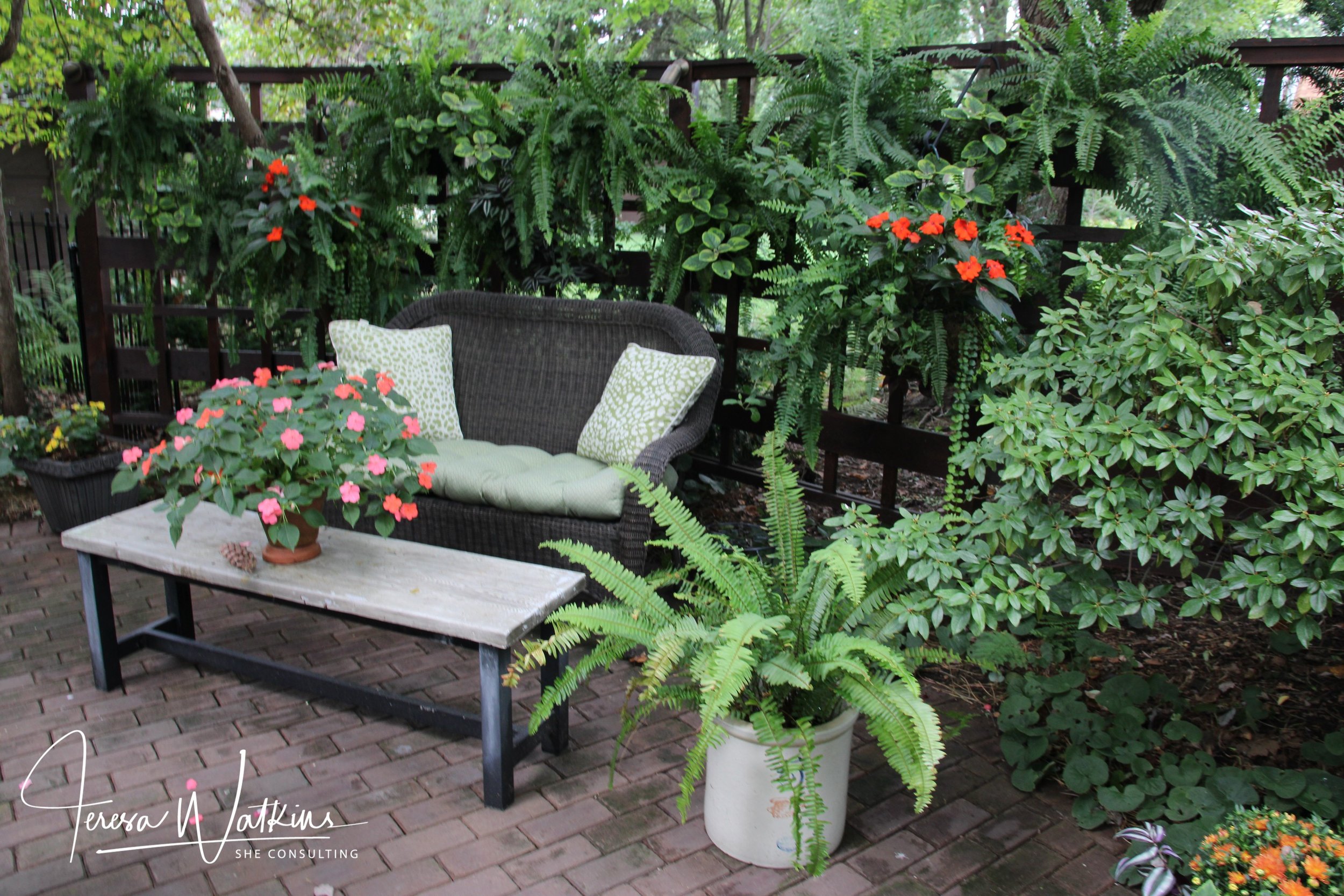
Outdoor room seating under a shade tree.

Would you like to have a place outside where you can entertain, have a cuppa tea in the morning, or comfortably sit and read? An outdoor room is a designated area in your yard with a self-styled floor, open but lush walls, and even a subliminal ceiling.

Whether you have full sun or full shade, you can create an outdoor room with a few details and of course, right plants, right place.

First, look for existing “walls” (aka tall shrubs, trees, or fences) already in your yard, that you can use visually to enclose your “room.” Comfortable sizes for your outdoor room depend on the number of people you would like to accommodate. For one or two persons, 8’ to 10’ area should be adequate, for five to six people, 15’ to 20’ will work. It can be rectangular, round, or square.

If you don’t have any walls, consider adding trellis panels, single paneled fences, vintage screen doors, or doors with windows, inexpensive china hutches, or garden workbenches, found at flea markets. Think about the area and available air circulation. Allowing the breeze to blow through will be appreciated in the summertime. If you would like to plant shrubs that will grow large, like camellia, native firebush, bamboo, or ligustrum and viburnums. Determine the size of mature plants for amount of plants to buy. Space them at half their mature width, so that they fill in nicely over two-three years. Install correctly so that your “walls” will be stable and withstand wind or can be put away before a storm.

Second, is your floor. This can be mulch, patio pavers, brick, pea gravel, or even an outdoor rug. Make sure it’s level. Mulch can be the least expensive material for the entire area. You can always install hardscape pavers or bricks later.

To simulate a ceiling, or to provide cover from sun or rain, a patio umbrella, shade sails, or awning. Place a real candle chandelier or  try a modern LED candle chandelier.

Add your favorite furniture, seating, coffee table, end tables, bar set, outdoor patio lamps,  garden tools to complete your setting.  Increase the size of your outdoor room by hanging a vintage mirror.

Now it’s time to enhance your room with more plants. Raise the roof by hanging baskets of glorious annuals or blooming vines, ferns. This can be done using strong shrub branches, tree limbs, metal hanging basket poles, or right from the trellis. Add more plants for color and pizzazz with containers, any style that fits your fancy or theme.

 Let your design style flow freely. Make it your own.

What To Do in Your Landscape for September

By Teresa Watkins

September 2024

 Average temperatures High 90 Low 72

Average rainfall 5.76 inches

Autumn arrives September 22nd, 2024

  September Plantings

 Vegetables: Early plantings include lima bean, snap bean, corn, cucumber, eggplant, pepper, southern pea, rhubarb, squash, and tomato; End of the month crops include arugula, broccoli, Brussel sprouts, cabbage, celery, collard, endive, lettuce, mustard, onion, radish, strawberry, and turnip.

 Flowers: Agapanthus, ageratum, angelonia, begonia, blue daze, butterfly weed, buttonbush, cat's whiskers, celosia, cleome, coleus, coreopsis, cosmos, firebush, garden mums, gaura, gazania, gerbera, goldenrod, gomphrena, heliotrope, impatiens, Jacobina, lantana, marigold, melampodium, New Guinea impatiens, nicotiana, pentas, periwinkle, plumbago, roses, salvia, sunflower, sweet alyssum, thyrallis, torenia, Turk’s cap, verbena, and zinnia.

 Herbs: Anise, basil, bay laurel, borage, chives, coriander, dill, lemon balm, lavender, Mexican tarragon, mint, parsley, rosemary, sage, sweet fennel, sweet marjoram, and thyme.

 Bulbs: African iris, agapanthus, amaryllis, blackberry lily, bulbine, calla lily, crinum, crocosmia, day lily, gladiolus, kaffir lily, narcissus, society garlic, spider lily, rain lilies and walking iris. Look for and purchase cool-season bulbs for refrigeration, including crocus, daffodils, crocus, hyacinths, muscari, and tulips.

 Fruit and Vegetable Care

 ·       Get a soil test of garden every year to find out what fertilizer nutrients to apply.

·       Clean used containers before planting.

·       Give large growing plants big containers to have room for good root growth.

·       Keep container-grown tomatoes uniformly moist to avoid blossom-end rot.

·       New to gardening? Start a garden journal and list names of seeds, the varieties, date planted, days to harvest, temperatures, and any weather conditions that might affect growth, i.e., extreme heat, lack of rain, storms.

·       Add vegetables and herbs to containers for patio and balcony gardens. 

·       All vegetables like a sunny site with at least 6 – 8 hours; leafy crops can often grow in filtered sun.

·       Remember the sun dips south Fall through Winter so note sites that may become shady.

·       Last year’s gardens may need an additional layer of organic compost or manure, like Black Kow.

·       Remove plastic covers from solarization treatments and plant without tilling.

·       Where nematodes are a problem, dig a large hole and fill it with organic amendments or potting soil before planting.

·       Keep new plantings and seedlings moist; water older plantings when the soil begins to dry.

·       Apply a first feeding two weeks after adding transplants or seed germination.

·       Continue with monthly feedings for in-ground plantings, every other week for containers.

·       Use slow-release fertilizer which may be the only feeding needed.

·       Add flowering plants to gardens to invite pollinators to visit.

·       Set tomatoes in the ground or in containers early and start training to a trellis.

·       Provide support for tomatoes, peppers, cucumbers, and others from vegetables above.

·       Rejuvenate older herb gardens in late September by adding fresh plantings.

·       Check the garden daily to determine soil moisture of ground and check for pests.

·       Harvest herbs to encourage continued growth. .

·       Use mulches to conserve water, control weeds and keep soil off leafy crops.

·       Remove side shoots/pups to root from pineapple plants and increase your plantings.

·       Start seedlings of Fall cool season crops later in the month.

·       Begin citrus and avocado tree feedings toward the end of the month. For more specific information on fertilizing different size citrus trees: https://edis.ifas.ufl.edu/publication/HS132

 Lawn Care

 ·       Get soil test analysis of turf areas before fertilizing.

·       If your lawn is susceptible to fungus and you have had excessive rains during past storms, apply a preventative fungicide according to the label.

·       Where grass won’t grow because of too much shade, consider use of an ornamental ground cover, like ajuga, Asiatic jasmine, ferns, liriope, mondo grass, or pachysandra,

·       Lawns with aggressive weeds need attention; dig out, resod or spot treat with herbicides, but if temperatures average above 85 degrees, wait until October to use an herbicide.

·       Most local ordinances restrict fertilization until October 1st.

·       To green up lawns, use an iron-only or minor nutrient application until October.

·       Once weeds or pest issues are taken care of, patch pest-damaged or weed areas with new sod, plugs, or seed.

·       Complete seeding of Bahia turf in early September.

·       Lawn caterpillars and chinch bugs can continue in to Fall; control when noted.

·       Several products are now available for nematode control by lawn care companies.

·       Fire ants are frequently found in lawns; spot treat mounds with bait, then treat the entire lawn.

·       Aerate hard to wet or compacted soils.

·       Continue mowings at recommended heights

·       Change mowing patterns on regular basis, overlapping rows so mower doesn’t create ruts.

·       Service lawn care equipment to have it ready for Fall.

 In the Landscape

 ·       Keep eye on trees and shrubs that may have been affected by the drought in Spring and Summer. Decline from 2024 drought may be an issue for next few years.

·       Make sure any shrubs and trees leaning from storm winds are straightened as soon as possible.

·       Note plant decline in landscapes, from excessive gutter drainage. Bury gutter and extend out into yard to prevent displacement of soil and mulch.

·       Prune away dead or declining plant portions affected by Summer weather or pests.

·       Weeds are plentiful; remove them before they flower and disperse seeds.

·       Renew mulches with only a light topping to keep 3” – 4” of mulch.

·       Clean and sharpen pruning equipment to make trimming easy with minimal plant damage.

·       Prune declining brown fronds only and flower stems from palms but leave the green fronds.

·       Sterilize pruners between plants when trimming palms with possible diseases.

·       Many plants have grown out of bounds; now is the time to do needed pruning.

·       Give poinsettias and hydrangeas a final pruning.

·       Check roses that have dead or declining stems and old flowers that need to be removed.

·       Expect caladiums and some ginger to start to decline and go dormant until Spring.

·       Replant declining flowers with warm season selections; delay planting the cool season types until end of November.

·       Avoid planting palms with prevalent disease problems.

·       Scale insects, mealy bugs and aphids have been active; control as needed.

·       Sooty mold grows on the excreta of insects; control both with a horticultural oil spray.

·       Check container plantings for plugged drainage holes; repot as needed.

·       Chrysanthemums make attractive Fall flowers, but they only last a few weeks in the heat.

·       Divide perennials and replant in the garden.

·       Now is the time to ensure poinsettias have 12 hours of complete darkness every night to encourage blooming in time for Christmas.

·       Plan for cool weather bulbs, i.e., tulips, hyacinth, daffodils, etc. and refrigerate bulbs for 16 weeks so they can be planted in the landscape two to three weeks ahead of when you would like them to bloom.

·       Add new trees, shrubs, and palms.

·       Feed palms with a slow-release fertilizer three to four times a year.

·       Begin late September shrub and perennial feedings for Fall where permitted.

·       Feed hanging baskets and orchids every other week.

·       Remove declining leaves and flowers from water lilies; give a monthly feeding.

 Houseplant Care

 ·       There is still time to revive foliage plants by moving them outdoors to a shady site.

·       Indoor orchids and bromeliads make good outdoor additions when they begin to decline.

·       Groom foliage plants growing outdoors for an improved appearance.

·       Control pests including scale, mealybugs, thrips and mites with natural sprays.

·       Gradually reduce feedings and watering of Christmas and holiday cactus.

·       Transplant foliage plants needing new containers before the cooler Fall weather.

·       Feed foliage plants monthly or use a slow-release fertilizer according to the label.

·       Replace declining plants with new selections for Fall.

·       Obtain amaryllis and paper white narcissus bulbs for Fall forcing.

Art in Bloom Garden Tour - Philadelphia Flower Show and Longwood Gardens March 7fh - 10th 2025

Photos from 2022 Philadelphia Flower Show and Longwood Gardens. Photo credits: Teresa Watkins

The ultimate flower show in North America. Come with me on A Magical Garden Tour 2025! Here are photos from my 2022 Philadelphia Flower Show. What an experience! Find out more on Art in Bloom https://bit.ly/4fe9m62

The Philadelphia Flower Show has been named the best overall event in the world by traditions the International Festivals and Events Association. The event’s spectacular displays and inspiring designs highlight upcoming floral trends, not to be missed. Included are trips to Longwood Gardens and Jenny Rose Carey's private Northview Gardens https://bit.ly/3SVKoif

Friday, March 7 - Monday, March 10, 2025

Four Days – Three Nights https://bit.ly/3WPpBxZ

These highlights are just a few of my 2022 PHS photographs. So many beautiful flowers, displays, and vignettes. Don’t miss this exciting event.

Teresa's Design Tip - Succulents That Are Summerproof

This tropical landscape with a luscious walk to the front door was installed a year ago. While succulent plants may look small, they do fill in at an easy-going pace, worthy of patience without sweat. The final photo (August 2024) is what the succulent garden has grown into a year later, and they will only get bigger and better.

Why should all the neighbors and passers-by get the pretty curbside views? My client’s office faces out towards the street and now, she has a lovely view of her garden from inside while watching all the bird activity since the landscape was installed. Win-Win!

Check out my article on how to grow succulents in The Family Handyman.

Proverbial heartbreak. It was painful to drive through the HOA and see the scars and evidence of incorrectly planted trees. Criminal. There were over 15 trees that were installed by a landscape company that was paid for their unprofessional installation. Was there not one person who knew how to plant a tree properly?

Before working with a tree company, find out if they are certified tree arborists or knowledgeable landscapers who can correctly plant a tree.  Always take delivery “packaging” off a tree’s root ball.  This includes burlap, metal baskets, plastic, straps, wires, and anything rubber. Don’t listen to the comments of “nurseries won’t guarantee the tree if we take the basket off” or “the burlap will decompose.” If the tree is not healthy enough to take the wire basket off, it’s not healthy enough to plant. And it takes years for burlap to decompose and your tree may not survive long enough for it to rot.

Don’t risk it and certainly don’t pay for it.

University of Florida/IFAS publication on planting a tree correctly.