
What to Do In Your Backyard in December
Average temperatures: High 73 Low 53
Rainfall 2.31 inches
Winter arrives December 21st.
Central Florida typically sees its first frost on December 18th, but in 2025 it occurred unusually early this year on November 11th, breaking century-old records in Florida cities down to Miami.
What to plant
Flowers: Alyssum, baby's breath, bacopa, begonia, bush daisy, calendula, California poppy, candytuft, carnation, chrysanthemums, delphinium, dianthus, dusty miller, foxglove, geranium, godetia, hollyhock, Iceland poppy, licorice plant, lobelia, million bells, ornamental cabbage & kale, pansy, petunia, salvia, Shasta daisy, snapdragon, statice, stock, sweet pea, verbena and viola.
Vegetables: Beets, broccoli, Brussels sprouts, cabbage, carrots, cauliflower, collards, horseradish, lettuce, mustard, onions, peas, radicchio, radishes, spinach, Swiss chard. and turnips.
Herbs: Anise, arugula, basil, bay, chives, cilantro, coriander, dill, fennel, garlic, lavender, mint, oregano, parsley, rosemary, sage, sweet marjoram, thyme and watercress.
Bulbs: African iris, amaryllis, anemones, bulbine, crinum, day lily, paper white narcissus, ranunculus, society garlic, spider lilies, rain lilies; refrigerate for future planting - Dutch iris, tulips, daffodils and hyacinths.
Lawn Care
La Niña conditions will bring warmer than normal temperatures and drier than normal. Irrigate 1x a week if there is no rainfall.
Fertilizer isn't needed; trace minerals may be sprayed or applied at the base of plants.
Brown or large patch affects St. Augustine and zoysia lawns; treat with fungicide.
Remove weeds from lawns and replace them with new sod or plugs.
Apply spot weed control to areas of weeds.
Mow every other week for most landscapes.
Mow the lawn at the usual height for an even appearance and weed control.
Lawn insects will not be curbed by freezes, so walk yards weekly for their presence before applying insecticide.
Zoysia lawns generally turn brown when subjected to frost. There is no required action needed.
Ryegrass seed can be sown.
Rake fallen leaves from lawns and add to the compost pile.
Landscape Chores
Plant northern Spring annuals such as alyssum, delphinium, foxgloves, hollyhocks, lobelia, pansies, snapdragons, stock, sweet pea, and violas.
Space flowers and shrubs at half their mature width; for example, plant 4' wide shrubs every 2 feet.
Consider flower color combinations with the help of a color wheel.
Rotate flower locations yearly to minimize pests.
Add organic matter to older beds and sandy soils to boost plant growth.
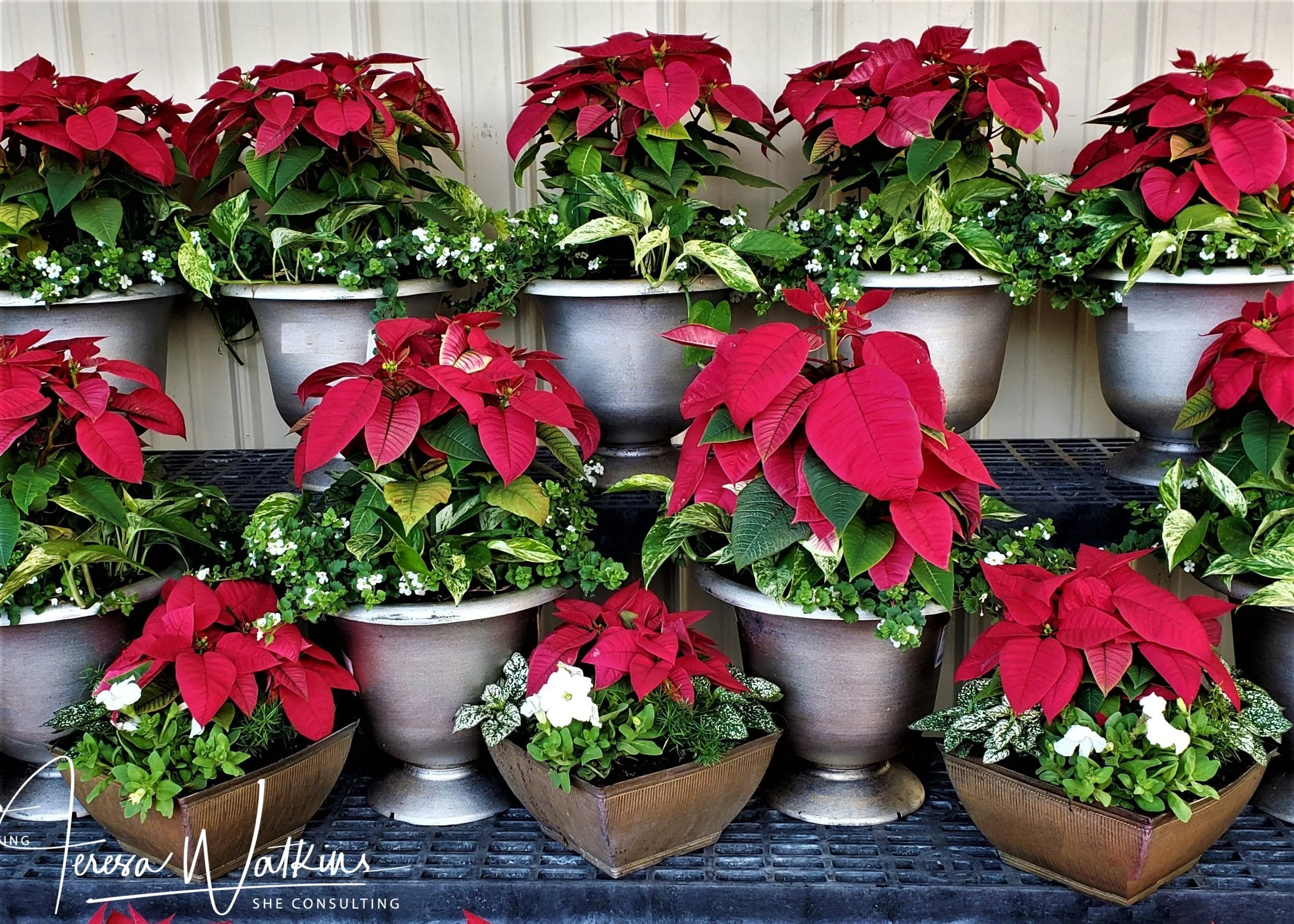
Add holiday poinsettias to the landscape in their pots to easily remove during extreme cold.
Fertilize annual flowers monthly or use a slow-release fertilizer as labeled.
Give your container plants a boost during winter by using slow-release fertilizer.
Winter is a stress-free time to add hardy trees, shrubs and ground covers to the landscape. Water in well when planting.
Select trees and shrubs for the sunlight, soil moisture, and pH conditions in your yard.
Pruning time is over for most plants; out of bounds shoots can be removed as needed.
Feeding time is over for all trees, shrubs and vines.
Have frost blankets ready to put on tender tropicals.
Following a freeze, allow several days for the soil to dry before watering the bed again.
Established trees and shrubs can often go several weeks without irrigation.
Cold weather turns sensitive foliage yellow; bring plants inside.
Renew mulch layers to conserve water, control weeds and provide cold protection.
Still have time to plant wildflower seeds for spring and summer blooms.
Transplant trees and shrubs in cooler weather; wait until spring for palms.
Check and adjust supports holding trees and palms in an upright position as needed.
Add additional soil to container gardens until it reaches the top of the container.
Add used container soil to compost.
Add wood chips from tree removal to compost piles or use them as a light mulch.
Turn compost monthly to accelerate decomposition.
Divide and replant perennials.
Don't forget about your feathered friends — enhance your yard and provide resources with a bird feeder and a bird bath.
Participate in the Audubon Christmas Bird Count will be from December 14th through January 5th, 2026.
Perform maintenance and repainting of birdhouses, outdoor furniture, and fencing.
Be prepared to shield cold-sensitive plants from unexpected frosts or freezes.
Fruit and Vegetable Gardening
Late summer and fall rains caused early decline of many crops; (ask Lizzie!) remove and replant with cool season vegetables.
Planting new crops every few weeks ensures a steady harvest.
It is too late for new tomatoes, peppers & eggplants, replant in March.
Keep planting herbs, either directly in the soil or in containers; these plants thrive in cool weather.
Harvest herbs often to promote new growth; store or give away surplus.
Caterpillars and mites have been heavy feeders; control with natural sprays.
Start seeds of the cool season crops as needed to have transplants available.
Trellis vining crops to maximize garden space.
Gardeners with limited space can grow their favorite vegetables in large containers.
Use clean containers to reduce pests and encourage growth.
Fertilize vegetable gardens every 3–4 weeks with composted manure or general fertilizer.
Feed container plantings every other week or use a slow-release fertilizer as labeled.
Stop feeding fruiting trees, shrubs, and vines; resume in March.
During cooler weather conditions, plantings require reduced irrigation. Water should be applied when the surface soil exhibits signs of dryness.
Consider introducing new cold-tolerant fruits to your landscape and postpone planting tropical fruits until spring.
Postpone pruning of deciduous fruit trees until next month and citrus trees until mid-February.
Even if peach trees begin to flower early, there's no need to be concerned; they still have numerous buds to ensure a typical fruit set.
Keep covers and frost blankets available to shield cold-sensitive crops from frost or freeze.
Foliage & house plant care
Purchase your poinsettias early to ensure an extended period of vibrant color throughout the season.
Place holiday plants in a cool, well-lit area that is not near air vents.
It's common for newly acquired Christmas cacti to lose their buds, but they'll blossom more fully the following year.
Christmas and holiday cacti may rot if they are watered too frequently; allow the soil surface to dry out before watering again.
Begin growing paper white narcissus and amaryllis bulbs now to enjoy winter flowers or to give as gifts.
Replace dying plants with fresh ones.
Relocate plants that are sensitive to cold into a warmer area.
Remove yellow leaves from plants affected by cold and give a warm location.
Monitor water needs often and moisten soil when the surface dries.
Wash foliage with a mild soap solution to remove dust and control pests.