What To Do in Your Backyard in January
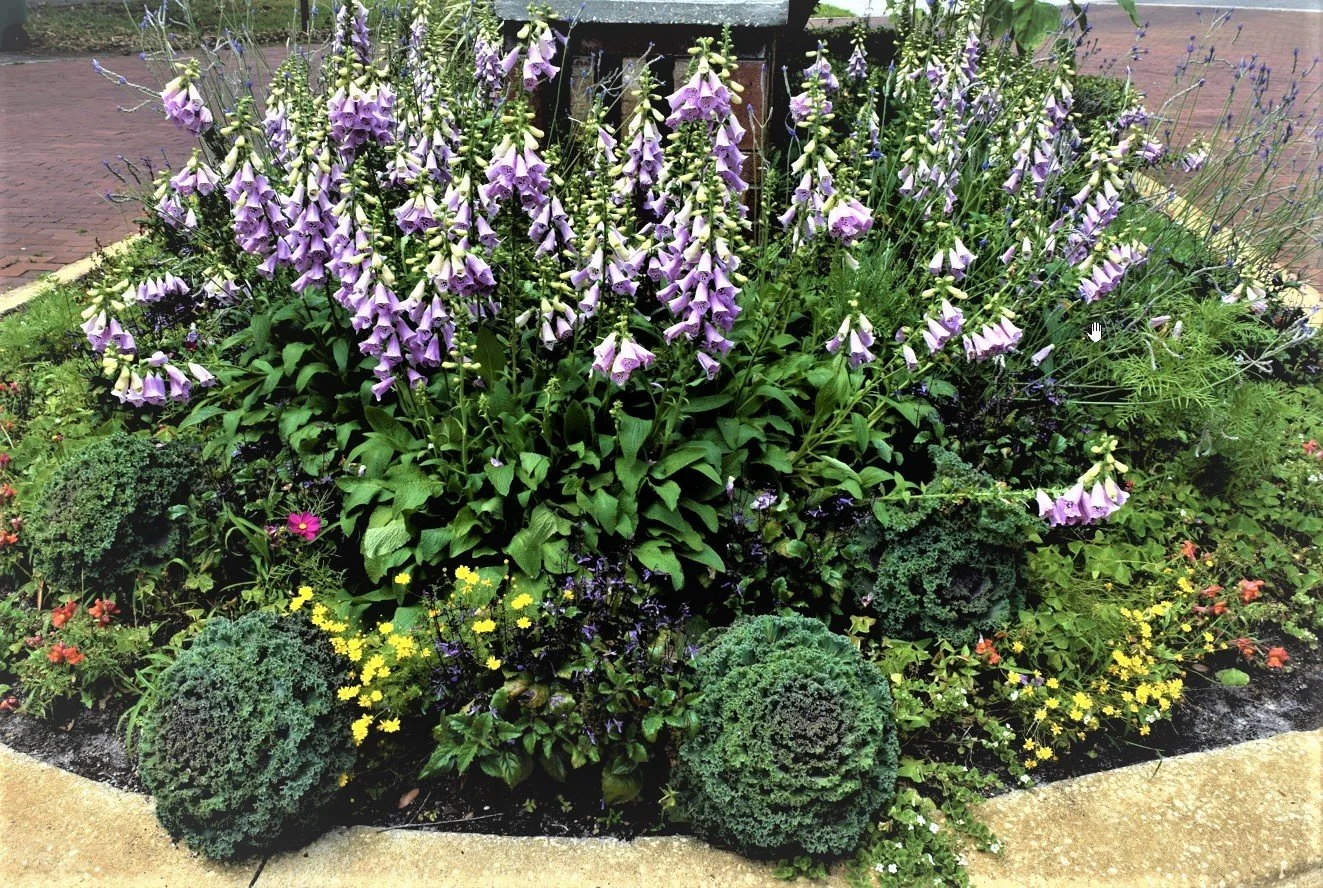
HOA front entrance landscape bed of foxgloves, Mona lavender, Salvia, kale, cosmos; and Nemesia.
Average temperatures High 72 Low 50
Rainfall 2.43 inches
Florida Arbor Day: January 21
Florida Full Moon: January 3, 2026, 5:03 AM: Super Snowbird Moon – After the holidays, Snowbirds flock to Florida to spend the winter. You’ll find them all over the state, taking advantage of the warm sunshine and numerous attractions.
What to plant:
Flowers: Alyssum, baby’s breath, calendula, California poppy, cleome, candytuft, carnation, delphinium, dianthus, dusty miller, foxglove, gaillardia, geranium, godetia, hollyhock, Iceland poppy, lobelia, nasturtium, ornamental cabbage & kale, pansy, petunia, Shasta daisy, statice, stock and sweet pea.
Vegetables: Asparagus, beets, broccoli, Brussels sprouts, cabbage, carrots, cauliflower, celery, collards, endive, horseradish, kale, kohlrabi, lettuce, mustard, onion sets, peas, potatoes, radicchio, radishes, roquette, rutabagas, spinach, Swiss chard and turnips.
Herbs: Anise, bay laurel, cardamom, chives, coriander, fennel, garlic, ginger, lavender, mint, oregano, parsley, rosemary, sage, sweet marjoram, thyme and watercress.
Bulbs: African iris, Asiatic lilies, amaryllis, blood lilies, bulbine, crinum, day lilies, Louisiana iris, society garlic, spider lilies, rain lilies, refrigerated Dutch iris, tulips, daffodils and hyacinths for forcing.
Lawn Care
Great time to wean overwatered turf by irrigating only once a week. If your lawn is declining, resist the urge to overirrigate with the La Nina winter warm temperatures.
Make two New Year’s goals to check weather weekly for anticipated rainfall so you don’t need to add supplemental irrigation and check water bill for outdoor water usage monthly.
Outdoor water use depends on size of yard but should average 10,000 gallons or less a month.
Once a week watering is the rule and normally adequate at this time of the year.
If your area is receiving cold temperatures, one benefit of the cold is identifying declining weeds; remove and fill bare spots with sod.
Continue to mow growing turf to keep a uniform look and control weeds.
Fertilizing lawns is over until late March/early April.
Try regreening yellow lawns with an iron or minor nutrient application if needed.
Large tan circular spots in lawns are likely due to the brown patch fungus. No cure but using correct watering practices.
Brown patch affected lawns should recover; apply fungicide to prevent further damage.
Insect activity is minimal, and insecticides are not normally needed until spring.
Spot kill patches of persistent winter weeds with a selective herbicide for your lawn type.
Fill in bare spots with sod or plugs; delay seeding of permanent grass until Spring.
Ryegrass can be seeded to temporarily regreen brown turf or fill bare areas.
Have a lot of weeds in your turf? Reduce turf area and create garden beds.
Make sure when you reduce turf to retrofit irrigation zones to water turf and beds separately.
Do not use irrigation system during freezing weather.
Perform annual maintenance on lawn care equipment.
Landscape Chores:
If there is frost, resist the urge to prune away damaged or dead foliage right now
Pruning damaged foliage encourages new growth that is not winter-hardy and increases likelihood for more damage or death if more freezes occur.
Replant declining Summer and Fall flower beds and planters with hardy cool season selections.
Container gardens are a good way to enjoy plants in the landscape.
Add hanging baskets of color where they can receive sunlight and water.
Feed container gardens weekly for ground annual plantings monthly.
Annuals and perennials need watering one or more times a week.
Check mulch layers and top-dress as needed to conserve water.
Winter is a good time to add hardy trees, shrubs, and vines to the landscape.
Make sure root balls are moist at planting time: add a berm to direct water through root balls.
Make New Year’s goal to check mature plant size space needed before purchasing and planting shrubs and trees in landscape.
New trees, shrubs and vines need frequent hand watering to keep their root balls moist.
Leave browned ornamental grass dried flowers for wildlife till end of month or February.
Leaves are falling from trees and shrubs; use as mulch or add to the compost pile.
January is a good time to begin yearly pruning of trees and shrubs.
Trim dead or declining portions from trees and shrubs.
Schedule major tree trimming now to be ready for severe 2022 weather.
Always use a certified arborist for tree trimming.
Crape myrtle grooming can begin this month; remove seed heads, twigs smaller than your pinkie, and any crossing branches. Make sure there is plenty of room for branches to grow up or outward without touching other branches.
Remove crapemyrtle suckers growing from lower trunk and ground. Keep 3 – 5 trunks for best air circulation.
Remove dead fronds and old seed heads from palms but keep all green leaves.
Finish landscapes by edging beds and walkways.
Divide and replant perennials.
Learn what plants need winter protection and which plants benefit from the cold.
Protect cold sensitive plants from frosts and freezes with frost blankets, staked fabrics, or large boxes.
Secure thick fabric covers to the ground but staked outward to ensure fabric is not touching foliage.
Turn off automatic irrigation systems during freezing weather.
Install micro-sprinklers to conserve water and water only where needed.
Catch and store rainwater to use on container and landscape plantings.
Reduce landscape maintenance by planting fewer annuals and more perennials.
Groom hanging baskets and planters by removing old flowers and lanky stems.
Test soil acidity in azalea, philodendron, and ixora plantings and adjust if needed.
Turn Christmas trees into outdoor wildlife feeders or mulch for the landscape.
Dig and move trees and shrubs from one area of the landscape to another.
Repair gardening equipment.
Clean out used bird houses, feeders, and baths, and add new ones received at Christmas.
Add ornaments including statuary, a gazing ball, or a sundial to the landscape.
Repair wooden benches and chairs.
End of month: Prune ornamental grasses down to 5” – 6”. Remove surrounding debris.
Vegetable and Fruit Gardening
Make sure you have 2026 seed catalogs for flowers and vegetable Spring planting.
Make New Year’s goal to journal your gardening experiences.
Many Fall crops were poor performers due to weather. Try replanting as winter temperatures arrive.
Cloth covers, loose hay, and boxes may be needed for protection from frost or freezes.
Feed winter vegetables and herbs every 3 to 4 weeks or use a slow-release fertilizer.
Lightly mulch gardens to keep the soil moist, control weeds and keep edibles dirt free.
Start seeds of tomatoes, peppers, and eggplants in early January for March transplants.
Prepare spring planting sites by adding lots of organic matter to sandy soils.
Encourage pollinators to visit by planting clusters of flowers among vegetables.
Save shipping charges; locate seeds, bulbs and transplants locally.
Store saved seeds in the refrigerator in a sealed container until planting time.
Add bird netting to strawberry plantings.
Caterpillars are common cool season pests, control by handpicking or natural sprays.
Harvest herbs and start new plants to have a continual supply.
Prune time has arrived for apple, grape, peach, pear, and fig plantings.
Plant hardy fruit trees, shrubs and vines.
An acid soil is needed for blueberry production; have your soil tested before planting.
Indoor & Foliage Plant Care
Live plants make the indoors attractive, enhance ambiance, and help purify the air.
Make New Year’s goal of adding fresh soil to all your plant containers.
Fertilize with diluted fertilizer throughout the year.
Cactus and succulents only need watered once a month or less with winter temperatures.
Protect orchids and tropical foliage plants from temperatures below 45 degrees.
Orchids will have reduced growing once cold temperatures arrive, water and feed less till spring.
Check orchids weekly for insects.
Make sure Cymbidium orchids have high humidity. Cymbidiums thrive with 20 degree cooler (not cold) temperature drops this time of year.
Dendrobium orchids need less water to go into dormant state before Springtime. Do not let temperatures for Dendrobiums drop below 65°.
Phalaenopsis orchids blooming period begins. Provide good air circulation. Do not get flowers wet – water only roots and soil medium.
Vanda orchids with bright locations begin their blooming period. Water roots and soil media 2x -3x a week.
Check out new lighting systems that make it easier to grow plants indoors.
Enjoy holiday plants if they remain attractive. As they decline, transplant them outdoors.
Keep existing plants a lot longer by giving them at least weekly care.
Check foliage plants brought indoors from the landscape for pests.
Use a mild soapy solution to wash indoor foliage to remove dust and control pests.
Trim off yellow leaves and declining flower stalks.
Move declining plants into the higher light levels.
Water foliage plants when the soil dries to the touch.
Check mature, taller indoor plants have plenty of fresh soil. Change out soil every 1 – 2 years.
If houseplants are outgrowing pots and you do not want to put in larger planter, take plant out of pot, cut 1/3rd of roots off, add fresh soil, and repot plant.